Blog
Guides, case studies, and industry news from the Dev Centre House Ireland team.

Limerick manufacturers can use IoT and embedded software to gain real-time visibility into production, monitor equipment performance, and support predictive maintenance. Connected systems can help improve operational efficiency, reduce unexpected downtime, and create a stronger foundation for data-driven manufacturing.

Irish AI projects can use team augmentation to access specialist expertise, strengthen existing development teams, and maintain momentum as project requirements evolve. By adding skilled professionals when needed, teams can address talent gaps, accelerate delivery, and scale AI capabilities more flexibly.

Galway startups can turn to custom software development as they outgrow fragmented SaaS tools and need greater control over their technology. Tailored platforms can improve system integration, manage long-term costs, strengthen data ownership, and provide the flexibility needed to support sustainable growth.

Cork companies can use UX research to identify employee needs, reduce workflow friction, and improve adoption of internal software. By designing intuitive tools around real user behaviours, teams can improve productivity, reduce frustration, and gain greater value from their technology investments.

Dublin companies can use AI-powered data visualisation to identify trends faster, access real-time insights, and improve operational decision-making. Interactive dashboards can turn complex data into clearer, more actionable information while helping teams respond more quickly to changing business conditions.

Norwegian companies can use team augmentation to access specialist engineering talent, strengthen existing teams, and respond more quickly to changing project demands. By enabling flexible resourcing without lengthy recruitment cycles, this approach can improve delivery capacity, project predictability, and long-term engineering agility.
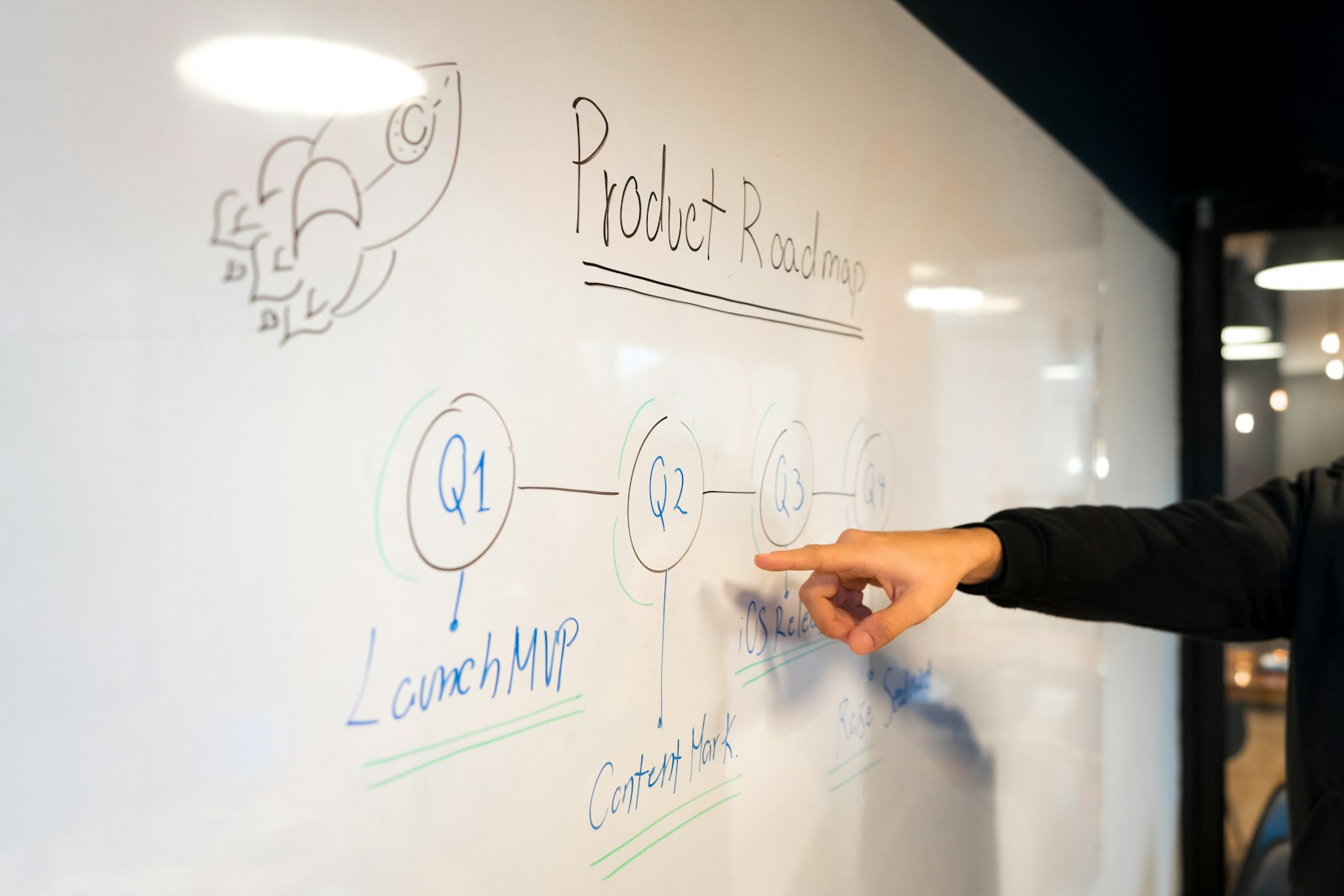
Trondheim startups can use MVP development to validate product ideas with real users before committing significant resources to full-scale development. By focusing on essential functionality, early feedback, and iterative improvements, teams can reduce development risk and make more informed decisions about future investment.

Oslo enterprises can modernise legacy systems through phased transformation that improves scalability, integration, and readiness for emerging technologies. By addressing technical debt, modernising architecture, and reducing operational disruption, organisations can build more flexible technology foundations for long-term growth.

Bergen companies can use UX research to understand user needs, identify usability issues, and improve product-market fit before launching digital products. By combining user insights with accessible and intuitive design, teams can reduce redesign costs and create digital experiences that better serve their audiences.
Fill out the form below or schedule a call and we will be in touch. * indicates a required field.
