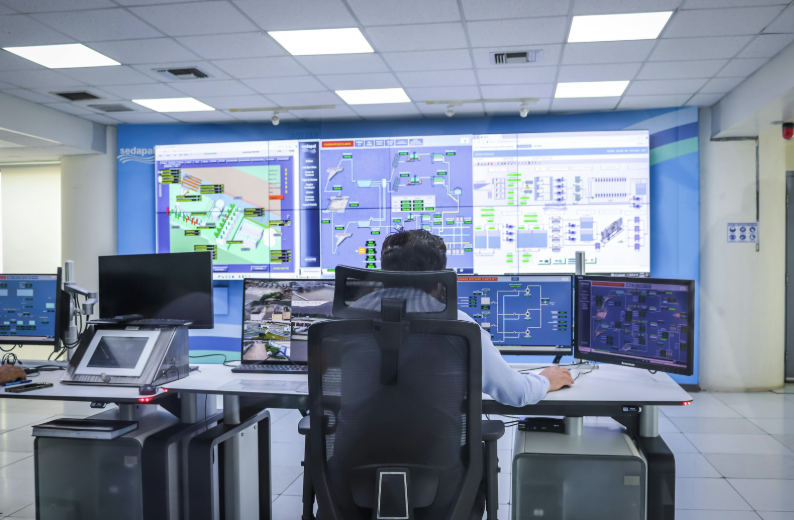
Oslo enterprises can modernise legacy systems through phased transformation that improves scalability, integration, and readiness for emerging technologies. By addressing technical debt, modernising architecture, and reducing operational disruption, organisations can build more flexible technology foundations for long-term growth.
Norwegian enterprises, particularly those in Oslo’s bustling tech scene, are increasingly confronting the limitations imposed by their legacy IT systems. While these older platforms have served their purpose for years, they often present significant hurdles to innovation, agility, and competitive growth in today’s fast-evolving digital landscape. The challenge lies not just in identifying the need for change, but in executing it without compromising ongoing operations.
The journey of legacy modernisation systems is complex, fraught with potential risks and operational disruptions. However, forward-thinking businesses in Norway are discovering strategic approaches to update their technology stacks, ensuring continuity and stability throughout the transformation. This article explores five critical challenges Norwegian enterprises are successfully addressing as they pursue legacy modernisation without disruption.
Overview of Legacy Modernisation in Norway, Oslo
The landscape for legacy modernisation in Norway, particularly within its capital, Oslo, is shaped by a strong focus on digital transformation and a highly competitive business environment. Many established Norwegian companies, especially in sectors like finance, energy, and maritime, rely on foundational IT systems that, while robust, are now impeding progress. There is a clear drive to adopt cloud technologies, enhance data analytics capabilities, and prepare for AI integration, all of which necessitate a modern infrastructure. Businesses in Oslo are seeking solutions that not only update their technology but also preserve their extensive historical data and maintain operational stability, reflecting a pragmatic approach to technological evolution. This trend underscores a broader commitment to innovation while mitigating the inherent risks of large-scale system overhauls.
Addressing Technical Debt and Outdated Architecture
One of the foremost challenges in legacy modernisation stems from accumulated technical debt and the inherent rigidities of outdated system architectures. Over decades, systems can become a complex web of patched code, customisations, and siloed applications, making them difficult to maintain, update, or integrate with newer technologies. This often results in slow performance, increased operational costs, and a heightened risk of system failures. Norwegian enterprises are tackling this by meticulously assessing their existing architecture, identifying critical components for refactoring or replacement, and adopting microservices or containerisation to break down monolithic structures into more manageable, scalable units.
Overcoming Scalability and Integration Limitations
Older systems often limit scalability and integration, posing a significant barrier to business growth and the adoption of new digital services. As businesses expand or seek to connect with external platforms and partners, their legacy infrastructure can struggle to handle increased data volumes or communicate effectively with modern APIs. This restricts innovation, slows down market responsiveness, and can lead to missed opportunities. Companies in Norway are addressing this by implementing API-led connectivity strategies, migrating to cloud-native platforms, and re-architecting applications to be inherently more flexible and capable of scaling on demand, thereby fostering a more interconnected and agile operational environment.
Minimising Operational Risk with Phased Modernisation
The prospect of a “big bang” overhaul of critical systems presents unacceptable operational risks for most Norwegian businesses, potentially leading to significant downtime, data loss, or service interruptions. Phased modernisation reduces operational risk by breaking down the transformation into smaller, manageable stages, allowing for continuous operation and incremental improvements. This approach involves migrating components one by one, often starting with less critical functions or by running new and old systems in parallel, allowing for thorough testing and validation at each step. This methodical strategy ensures business continuity, builds confidence, and allows organisations to adapt to changes progressively.
Ensuring AI-Readiness Without Downtime
Businesses increasingly want AI-ready infrastructure without downtime, recognising that modern data analytics and artificial intelligence capabilities are crucial for future competitiveness. Legacy systems are typically not designed to handle the massive datasets or computational demands of AI workloads, nor do they often provide the necessary data quality or integration points. The challenge is to upgrade the underlying infrastructure and data pipelines to support AI models without interrupting current operations. Norwegian firms are achieving this through strategic data platform consolidation, adopting cloud-based machine learning services, and implementing robust data governance frameworks, all while maintaining existing services through careful planning and execution.
How Dev Centre House Supports Norwegian Businesses
Dev Centre House specialises in providing expert legacy modernisation services tailored to the specific needs of Norwegian enterprises, particularly those in the Oslo region. Our approach focuses on strategic, phased transformations that minimise disruption while delivering tangible improvements in scalability, integration, and performance. We work closely with organisations to assess their existing IT landscape, design future-proof architectures, and implement modern solutions, including cloud migration, API development, and data platform enhancements. Our team ensures that businesses can embrace new technologies, such as AI, without compromising their day-to-day operations, fostering sustainable growth and innovation.
Conclusion
Norwegian enterprises are effectively navigating the complexities of legacy modernisation by adopting strategic, disruption-free approaches. By tackling technical debt, enhancing scalability, embracing phased rollouts, and preparing for AI, they are ensuring their IT infrastructure remains competitive and resilient. This forward-thinking methodology allows businesses to innovate and grow without the perils of operational downtime.
Frequently Asked Questions
What is legacy modernisation?
Legacy modernisation refers to the process of updating or replacing outdated computer systems, software, or infrastructure with newer, more efficient technologies to improve performance, security, and functionality, often without disrupting ongoing business operations.
Why is legacy modernisation important for Norwegian enterprises?
For Norwegian enterprises, modernisation is crucial for maintaining competitiveness, improving scalability, enabling integration with modern digital services, reducing operational costs, and preparing for advanced technologies like AI, all while meeting evolving market demands.
How can businesses ensure minimal disruption during modernisation?
Minimal disruption can be ensured through phased modernisation approaches, careful planning, thorough testing, running new and old systems in parallel during transition periods, and implementing robust rollback strategies. This reduces risk and allows for continuous operation.
What does “AI-ready infrastructure” mean in the context of modernisation?
AI-ready infrastructure refers to an IT environment capable of supporting artificial intelligence and machine learning workloads, typically involving modern data platforms, scalable cloud resources, robust data governance, and efficient data processing capabilities to feed AI models.
What are common challenges faced during legacy modernisation?
Common challenges include managing technical debt, ensuring data integrity during migration, integrating disparate systems, mitigating operational risks, securing stakeholder buy-in, and addressing potential skill gaps within the existing workforce.