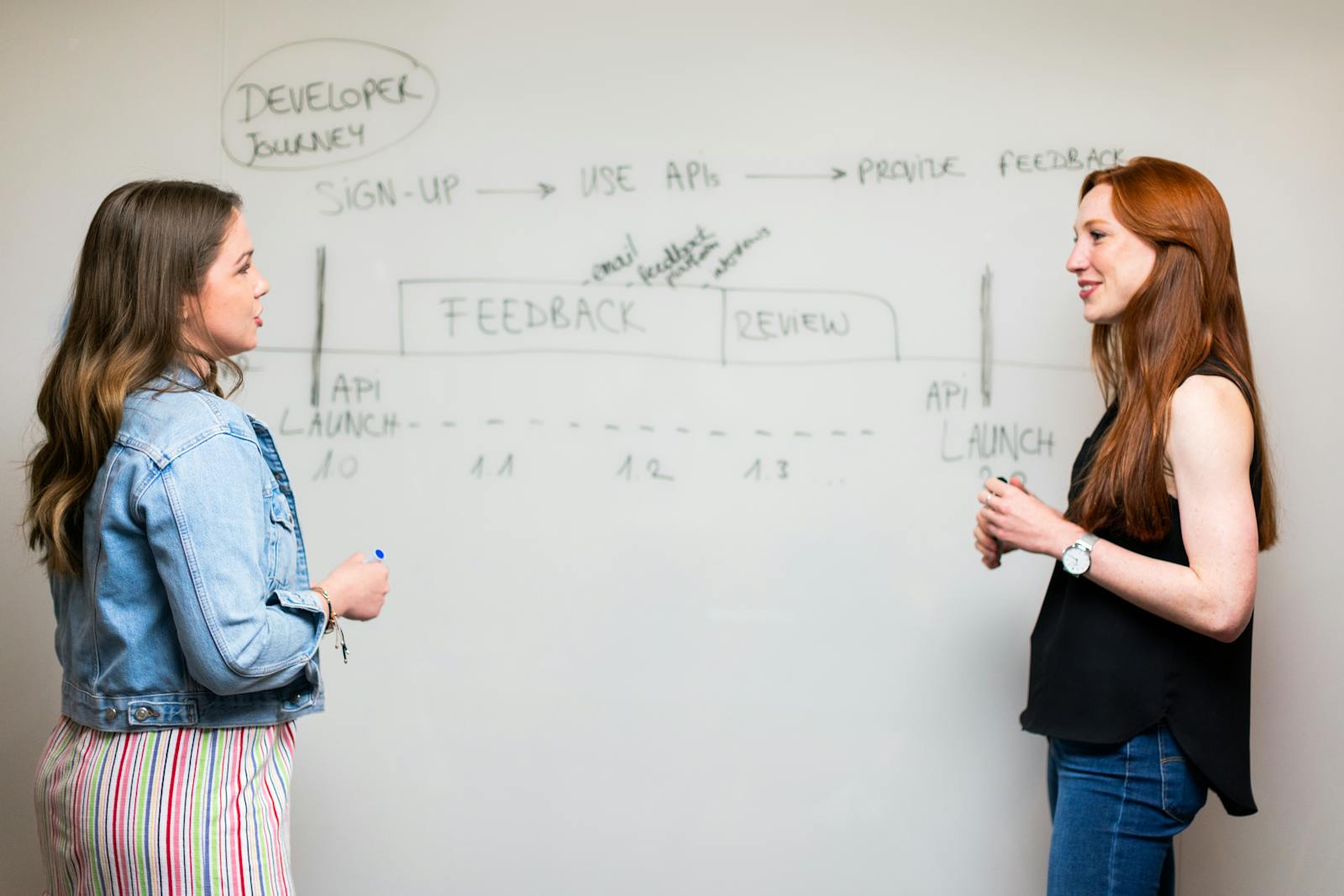
Trondheim startups can use MVP development to validate product ideas with real users before committing significant resources to full-scale development. By focusing on essential functionality, early feedback, and iterative improvements, teams can reduce development risk and make more informed decisions about future investment.
Trondheim, a hub of innovation in Norway, is home to a growing number of ambitious startups eager to disrupt various industries. In this dynamic environment, the ability to bring new products to market swiftly and efficiently is crucial for success. However, the path from a groundbreaking idea to a commercially viable product is often fraught with challenges, particularly the risk of investing significant resources into solutions that ultimately fail to meet market demand.
This is where Minimum Viable Product (MVP) development has emerged as a cornerstone strategy for Trondheim’s entrepreneurial ecosystem. By focusing on core functionality and iterative development, MVPs allow startups to test their hypotheses, gather essential feedback, and pivot if necessary, all while minimising expenditure. This article explores how startups in Trondheim are leveraging MVP development to validate their product concepts faster and significantly reduce their overall business risk.
Overview of MVP Development in Norway, Trondheim
The startup scene in Trondheim, often bolstered by its strong academic institutions like NTNU, has increasingly embraced MVP development as a standard practice. This methodology aligns well with the Norwegian emphasis on efficiency and strategic resource allocation, particularly for early-stage ventures. Trondheim’s tech companies, ranging from those in marine technology to health tech and AI, recognise that a lean approach to product launch can provide a critical competitive advantage. The focus is on building just enough functionality to satisfy early adopters and provide value, rather than aiming for a feature-rich, perfect product from the outset. This pragmatic approach helps conserve capital and allows for greater agility in response to market feedback, fostering a culture of continuous improvement and user-centric design within the city’s innovative landscape.
Addressing the High Cost of Product Development
Developing a new software product from scratch can be an incredibly costly and time-consuming endeavour. Traditional development cycles often involve extensive planning and a full-scale build before any real-world user interaction occurs. This approach carries a significant risk: if the final product does not resonate with the target market, the substantial investment in time and money can be entirely lost. Many startups in Trondheim face the challenge of limited initial capital, making such a high-risk strategy unsustainable. They need a method that allows them to test their core assumptions without committing to a full product build, thereby safeguarding their precious resources.
Faster Validation Helps Avoid Unnecessary Development Costs
One of the most compelling advantages of MVP development for Trondheim startups is its ability to facilitate rapid product validation, thereby preventing wasteful expenditure. By launching a product with only its essential features, companies can quickly ascertain if their core concept holds market appeal. This early validation allows them to either proceed with confidence, knowing there’s genuine interest, or to identify flaws and pivot before significant resources are committed to features that users do not value. This agile approach means that development efforts are consistently aligned with actual market needs, ensuring that every penny spent contributes directly to a product that customers want and will use.
Early User Feedback Improves Product Direction
Launching an MVP is not just about testing a concept; it is also about initiating a continuous dialogue with early adopters. For startups in Trondheim, gathering feedback from real users at the earliest possible stage is invaluable for refining their product. This iterative process allows developers to understand user pain points, identify desired functionalities, and uncover unexpected use cases that might not have been apparent during the initial planning phase. Such direct insights enable the product to evolve in a user-centric manner, ensuring that subsequent development efforts are focused on features that genuinely enhance the user experience and drive engagement, ultimately leading to a more robust and market-fit solution.
Lean MVPs Support More Efficient Fundraising Efforts
For many startups, securing funding is a critical step towards scaling their operations. Investors are often hesitant to back unproven concepts, preferring to see tangible evidence of market demand and product viability. A well-executed MVP provides precisely this evidence. Trondheim startups can use a functional MVP, along with early user metrics and feedback, to demonstrate traction and reduce perceived investment risk. Presenting a working product, even a basic one, is far more convincing than a mere idea or a detailed business plan, making fundraising efforts more efficient and increasing the likelihood of attracting essential capital for further development and market expansion.
How Dev Centre House Supports Norwegian Businesses
Dev Centre House specialises in crafting bespoke MVP solutions tailored to the unique challenges and opportunities faced by Norwegian startups, including those in Trondheim. Our team of expert developers and product strategists works closely with clients to define core functionalities, design intuitive user experiences, and build robust, scalable MVPs efficiently. We focus on delivering products that not only validate market hypotheses but also provide a strong foundation for future growth. By partnering with us, businesses can accelerate their time to market, minimise development risks, and position themselves for long-term success in Norway’s competitive tech landscape.
Conclusion
MVP development is an indispensable strategy for Trondheim startups aiming to innovate and succeed in today’s fast-paced market. By embracing this lean approach, they can validate ideas quickly, gather crucial user feedback, and make more informed decisions, all while preserving valuable resources. This methodology not only reduces financial risk but also cultivates a culture of agility and responsiveness, paving the way for sustainable growth and impactful product launches in Norway.
FAQs
What is an MVP and why is it important for startups?
An MVP, or Minimum Viable Product, is the version of a new product that allows a team to collect the maximum amount of validated learning about customers with the least amount of effort. It’s crucial for startups as it helps validate ideas quickly, reduce development costs, and gather early user feedback.
How does MVP development reduce financial risk for startups in Trondheim?
By focusing on core functionality and launching a basic version of a product, startups avoid investing heavily in features that might not be desired by the market. This significantly reduces the financial risk associated with full-scale development, allowing for pivots before significant capital is expended.
Can an MVP help with securing investment?
Yes, absolutely. A functional MVP demonstrates tangible progress and market interest to potential investors, providing concrete evidence of product viability and user engagement. This makes a startup a much more attractive proposition for funding compared to just an idea or a concept.
How long does it typically take to develop an MVP?
The timeline for MVP development can vary significantly based on complexity and scope, but typically ranges from a few weeks to a few months. The key is to keep the feature set minimal to ensure a rapid launch and quick validation.
What is the next step after launching an MVP?
After launching an MVP, the next critical step is to collect and analyse user feedback and data. This information then guides subsequent development cycles, allowing the product to evolve based on real-world usage and market demand, in an iterative process of refinement and expansion.