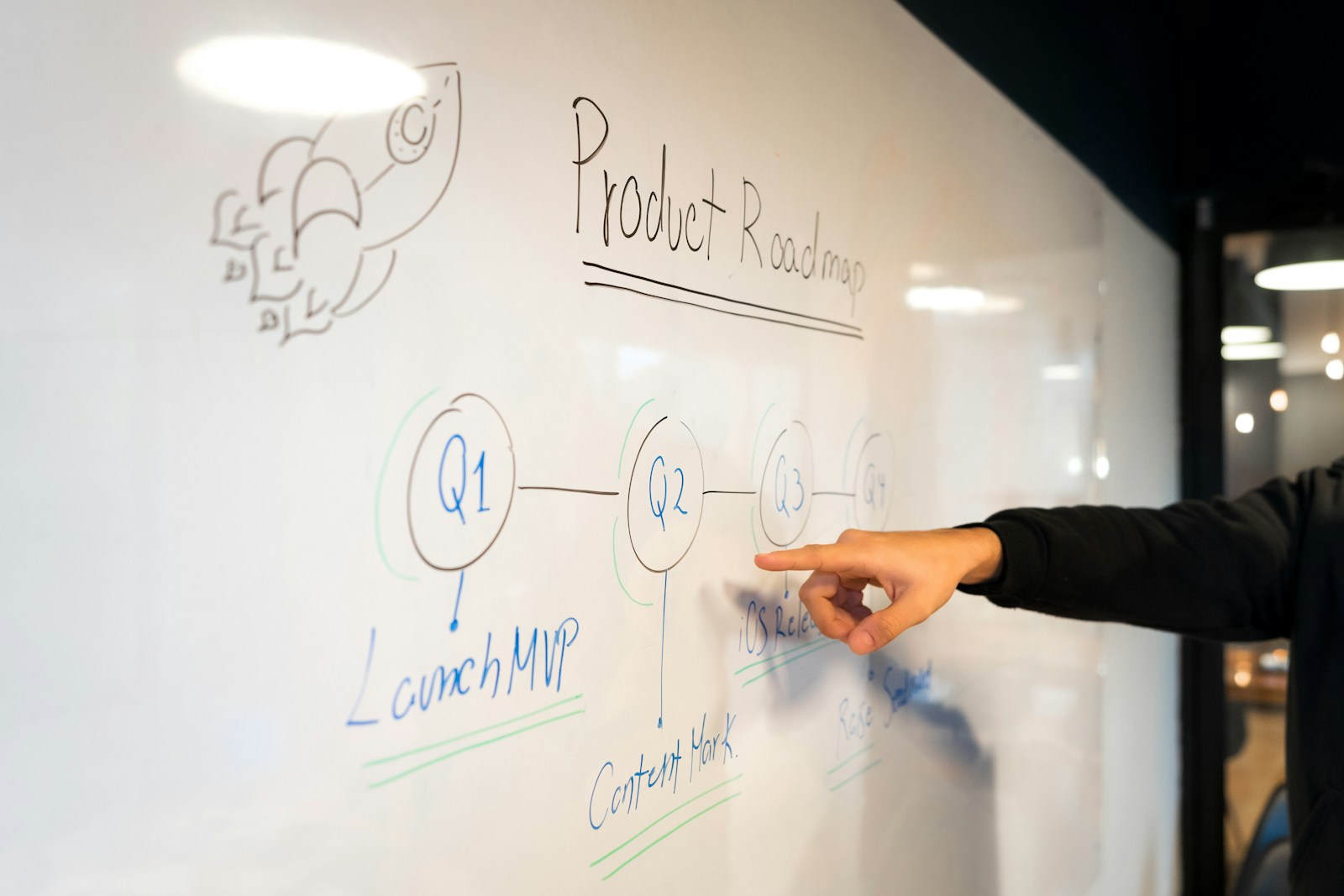
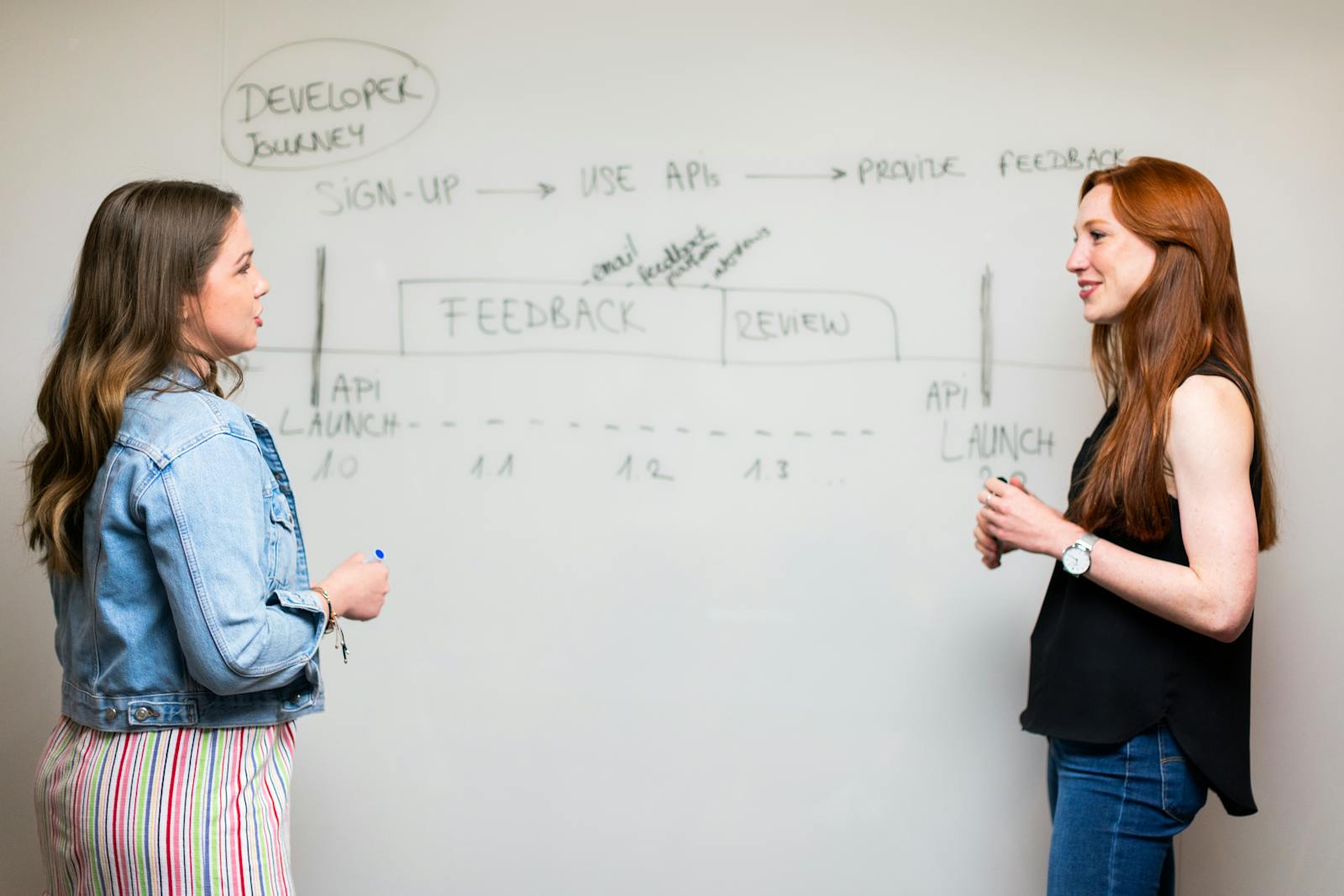
Trondheim startups can use MVP development to validate product ideas with real users before committing significant time and resources to full-scale development. By combining early feedback, rapid iteration, and focused product development, startups can reduce risk and make more informed investment decisions.
Trondheim’s vibrant startup ecosystem is increasingly demonstrating a clear strategic shift towards iterative product development. Rather than committing significant resources to comprehensive product launches, new ventures in this Norwegian tech hub are embracing a more cautious and data-driven approach.
This evolving methodology centres on the development of Minimum Viable Products (MVPs), a strategy that allows startups to test core concepts with real users before scaling. This article explores the compelling reasons why Trondheim startups are prioritising MVP development as a foundational step before committing to full product investment.
Overview of MVP Development in Norway, Trondheim
The startup landscape in Trondheim, renowned for its strong technical universities and innovation-friendly environment, has seen a growing emphasis on lean methodologies, with MVP development becoming a cornerstone strategy. Norwegian startups, particularly those emerging from the city’s robust research and development sectors, are keenly aware of the competitive global market and the need for efficient resource allocation. This focus on MVPs reflects a pragmatic approach to innovation, allowing companies to quickly validate ideas and adapt to market demands without overextending their initial capital. The availability of skilled talent and a supportive entrepreneurial community further facilitates the adoption of these agile development practices, positioning Trondheim as a hub for smart, risk-mitigated product launches. This strategic shift is proving instrumental in fostering sustainable growth and reducing the common pitfalls associated with traditional, extensive product development cycles.
Mitigating the Risks of Early Investment
Committing substantial capital and time to a fully-featured product without prior market validation presents significant risks for any startup. Without first establishing a genuine need or desire for a product, ventures can find themselves with a solution looking for a problem, leading to wasted resources and potential failure. The traditional model often involves lengthy development cycles based on assumptions, which can be costly to rectify if those assumptions prove incorrect. For Trondheim startups, where innovation is high but initial funding might be more conservative compared to larger global hubs, avoiding this pitfall is crucial for survival and long-term success. MVP development directly addresses this by deferring large-scale investment until core hypotheses are confirmed.
Early Validation Reduces Product Development Risk
One of the primary drivers behind Trondheim startups adopting MVP development is the ability to validate core assumptions and product-market fit early in the lifecycle. By launching a stripped-down version of their offering, businesses can quickly ascertain whether their solution resonates with the target audience and addresses a genuine pain point. This early validation significantly de-risks the subsequent stages of product development, ensuring that further investment is directed towards features and functionalities that users truly value. It prevents the common scenario of building a complex product only to discover a lack of demand, thereby safeguarding precious resources and increasing the likelihood of market acceptance for the final product.
User Feedback Shapes Future Investment Decisions
The iterative nature of MVP development places a strong emphasis on collecting and analysing user feedback from the earliest stages. Trondheim startups recognise that direct engagement with their initial user base provides invaluable insights that cannot be gleaned from market research alone. This feedback loop is instrumental in informing subsequent development sprints and strategic investment decisions, ensuring that the product evolves in response to actual user needs and preferences. By understanding what works, what doesn’t, and what features are most desired, companies can make data-driven choices about where to allocate their resources, refining their offering to maximise its impact and appeal before committing to a full-scale launch.
Lean MVPs Accelerate Time-to-Market
In today’s fast-paced technological landscape, speed to market can be a critical differentiator. By focusing on a lean MVP, Trondheim startups can launch their product much faster than if they were aiming for a comprehensive, feature-rich initial release. This accelerated timeline allows them to capture early adopters, establish a market presence, and begin generating revenue sooner. Furthermore, getting a product into users’ hands quickly means that the learning curve begins earlier, enabling rapid iteration and adaptation based on real-world usage data. This agility is a significant competitive advantage, allowing startups to stay ahead of trends and competitors while continuously refining their offering.
How Dev Centre House Supports Norwegian Startups
Dev Centre House specialises in guiding Norwegian startups, particularly those in Trondheim, through the critical process of MVP development. Our expert team understands the unique challenges and opportunities within the local tech scene, offering tailored solutions that focus on efficiency, scalability, and user-centric design. We work closely with entrepreneurs to define core functionalities, build robust and lean MVPs, and establish effective feedback mechanisms, ensuring that their initial product launch is strategic and impactful. Our aim is to empower Trondheim’s innovators to validate their ideas effectively, minimise risk, and accelerate their journey from concept to market success.
Conclusion
The strategic adoption of MVP development by Trondheim startups underscores a forward-thinking and risk-aware approach to innovation. By prioritising early validation, user feedback, and accelerated time-to-market, these Norwegian ventures are setting themselves up for more sustainable growth and greater success. This methodology not only conserves resources but also fosters a culture of continuous learning and adaptation, which is vital in the dynamic world of technology.
FAQs
What is a Minimum Viable Product (MVP)?
An MVP is the version of a new product which allows a team to collect the maximum amount of validated learning about customers with the least amount of effort. It contains just enough core features to satisfy early adopters and gather feedback for future product development.
Why is MVP development particularly important for startups in Trondheim?
For Trondheim startups, MVP development is crucial for mitigating financial risks, validating innovative ideas in a competitive market, and efficiently allocating resources. It allows them to leverage the local talent and supportive ecosystem to quickly test and adapt their products.
How does an MVP reduce product development risk?
An MVP reduces risk by testing core assumptions with real users before significant investment. This early validation ensures that further development is based on proven demand and user needs, preventing the costly creation of unneeded features.
Can user feedback from an MVP really shape future investment decisions?
Absolutely. User feedback from an MVP is invaluable as it provides direct insights into what works and what doesn’t. This data-driven approach allows startups to make informed decisions about where to invest further, ensuring that resources are directed towards features that truly enhance user value and market appeal.
What are the main benefits of accelerating time-to-market with an MVP?
Accelerating time-to-market with an MVP allows startups to quickly gain an early adopter base, establish market presence, and begin generating revenue sooner. It also enables faster learning and iteration based on real-world usage, providing a significant competitive advantage.