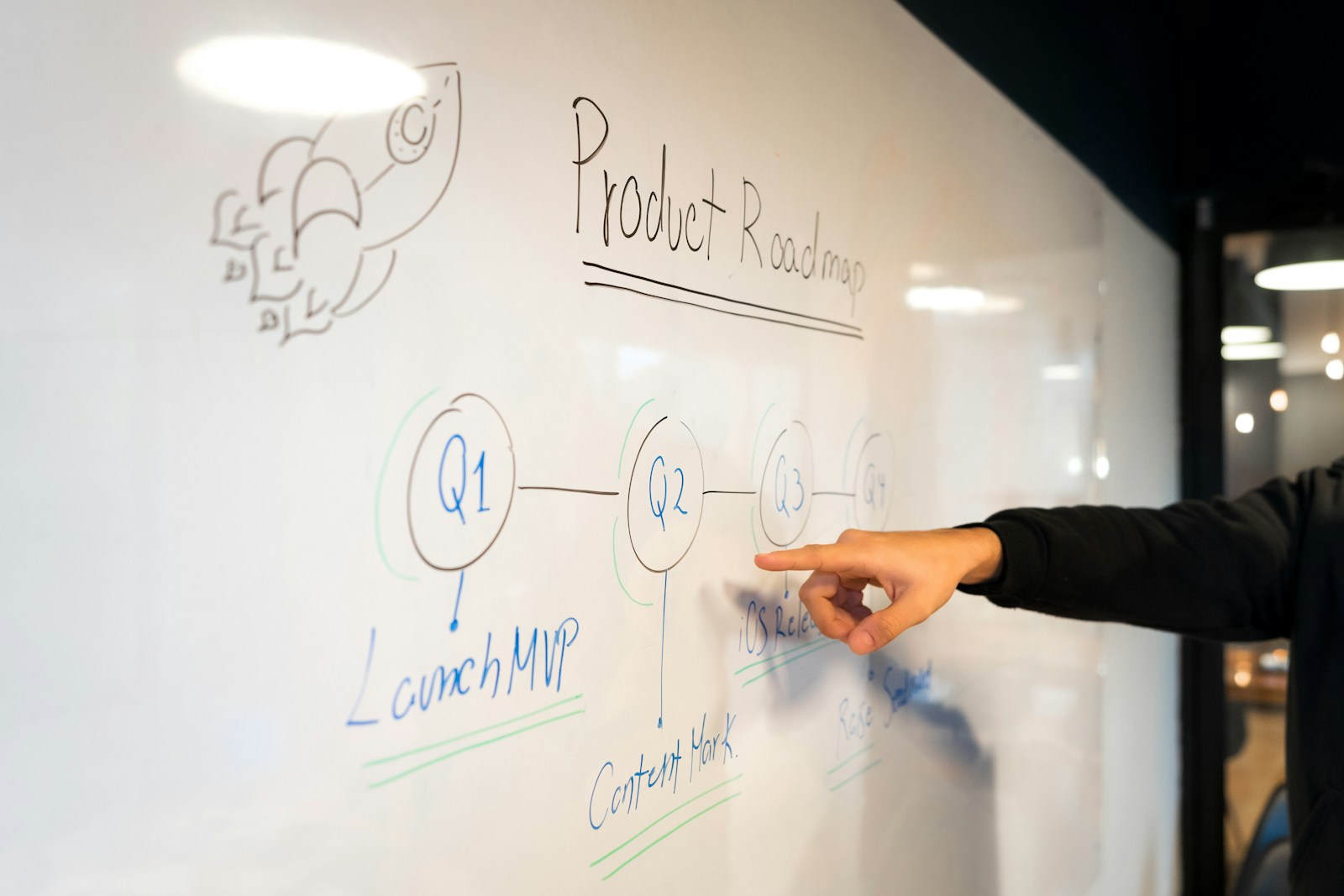
MVP development has become a critical step for startups across the Nordic region, particularly in Oslo where early-stage companies operate in a fast-moving and competitive environment. Building a product quickly is important, but building the right product is what determines long-term success. It is tempting to launch with as many features as possible to impress […]
MVP development has become a critical step for startups across the Nordic region, particularly in Oslo where early-stage companies operate in a fast-moving and competitive environment. Building a product quickly is important, but building the right product is what determines long-term success.
It is tempting to launch with as many features as possible to impress early users, yet this often leads to unnecessary complexity and slower development cycles. For startups in Oslo, effective MVP strategies focus on clarity, validation, and continuous improvement rather than completeness.
Lean Scope Accelerates Launch In Oslo’s Startup Ecosystem
Startups in Oslo often operate under time and funding pressure, making speed a key factor in product development. A lean MVP scope allows teams to focus on core functionality, reducing development time and enabling faster entry into the market.
Without a clearly defined scope, projects can expand beyond their initial intent, delaying launch and increasing costs. By concentrating on essential features, startups can test their ideas earlier and gather feedback while the product is still flexible.
This approach is particularly relevant in Oslo’s ecosystem, where early traction can influence funding opportunities and partnerships.
Early Validation Reduces Risk For Nordic Startups
Validation is one of the most important aspects of MVP development. In Oslo, where users are accustomed to high-quality digital products, assumptions must be tested early to avoid building features that do not deliver value.
By releasing a simplified version of a product, startups can gather insights into user behaviour, preferences, and expectations. This allows teams to adjust their direction before investing heavily in full-scale development.
Testing Ideas In Real Market Conditions In Oslo
Real-world testing provides a clearer understanding of how users interact with a product. In Oslo’s competitive market, early feedback helps startups refine their offering and identify gaps that may not be visible during internal development.
Avoiding Overinvestment In Unproven Features
Focusing on validation prevents startups from committing resources to features that may not be necessary. This reduces risk and ensures that development efforts are aligned with actual user needs rather than assumptions.
Iteration Improves Product-Market Fit Over Time
Iteration allows startups to refine their product based on real feedback rather than initial expectations. In Oslo, where user standards are high, continuous improvement is essential for maintaining relevance and engagement.
It is tempting to treat the MVP as a finished product, yet its purpose is to evolve. Regular updates based on user input help startups move closer to a product-market fit that reflects real demand.
Over time, this iterative approach leads to a more stable and user-focused product, reducing the likelihood of major redesigns later.
Local Challenges Facing Startups In Oslo’s MVP Development
Startups in Oslo face several challenges when developing MVPs. Limited resources often force teams to make trade-offs between speed, quality, and functionality. Without clear priorities, this can lead to products that are either rushed or overly complex.
There is also the pressure of meeting user expectations shaped by Norway’s advanced digital landscape. Even early-stage products are expected to be intuitive and reliable, which can be difficult to achieve with limited time and resources.
Additionally, navigating the local funding environment requires demonstrating progress quickly, making it essential for startups to launch and iterate efficiently.
The Role Of MVP Consultancy In Startup Growth
MVP consultancy helps startups in Oslo structure their development process, ensuring that products are built with clear objectives and measurable outcomes. By focusing on scope definition, validation, and iteration, consultants provide a framework that supports efficient development.
Working with an experienced partner such as Dev Centre House Ireland allows startups to combine strategic planning with technical execution. This ensures that MVPs are not only launched quickly but also built in a way that supports future scalability.
Key areas where consultancy adds value include:
- Defining a clear MVP scope that aligns with business goals
- Structuring validation processes to gather meaningful user feedback
- Planning iterations that move the product towards stronger market fit
Choosing The Right MVP Development Partner In Oslo
Selecting the right development partner is a critical decision for startups. In Oslo, where competition is strong, having the right technical and strategic support can make a significant difference in how quickly and effectively a product evolves.
A strong development partner typically offers:
- Experience in building and scaling MVPs across different industries
- A structured approach to balancing speed and quality
- The ability to adapt development based on user feedback and market conditions
Working with a partner such as Dev Centre House Ireland provides access to both consultancy and development expertise, ensuring that MVPs are built with both immediate and long-term goals in mind.
Conclusion
MVP development is not about launching quickly for the sake of speed but about building a product that can evolve based on real user feedback. In Oslo’s startup ecosystem, this requires a balance between lean development, early validation, and continuous iteration.
By focusing on these principles, startups can reduce risk and move towards a stronger product-market fit. Partnering with an experienced provider such as Dev Centre House Ireland helps ensure that MVP development is approached strategically, allowing startups to grow with clarity and confidence.
FAQs
What Is The Main Purpose Of MVP Development For Nordic Startups?
The main purpose of MVP development is to test core product ideas with minimal resources while gathering real user feedback. In Oslo, this approach allows startups to validate their assumptions early and adjust their direction before investing heavily in full-scale development, reducing risk and improving long-term outcomes.
Why Is Lean Scope Important When Building An MVP In Oslo?
Lean scope ensures that startups focus only on essential features needed to test their concept. In Oslo’s competitive environment, this allows faster market entry and quicker feedback cycles. By avoiding unnecessary complexity, startups can remain flexible and adapt their product based on real user needs.
How Does Early Validation Help Reduce Product Development Risk?
Early validation helps identify whether a product solves a real problem before significant resources are invested. In Oslo, where users expect high-quality digital experiences, testing ideas early ensures that development aligns with actual demand rather than assumptions, reducing the likelihood of costly changes later.
Why Is Iteration Important For Achieving Product-Market Fit?
Iteration allows startups to continuously refine their product based on user feedback and behaviour. In Oslo’s fast-moving market, this process helps improve usability and relevance over time. Rather than relying on initial assumptions, iteration ensures that the product evolves in line with real user expectations.
How Can Dev Centre House Support MVP Development For Startups?
Dev Centre House Ireland supports MVP development by combining strategic planning with technical execution. By focusing on lean scope, validation, and iteration, they help startups build products that are both efficient and scalable. This structured approach ensures that MVPs support long-term growth rather than short-term experimentation.