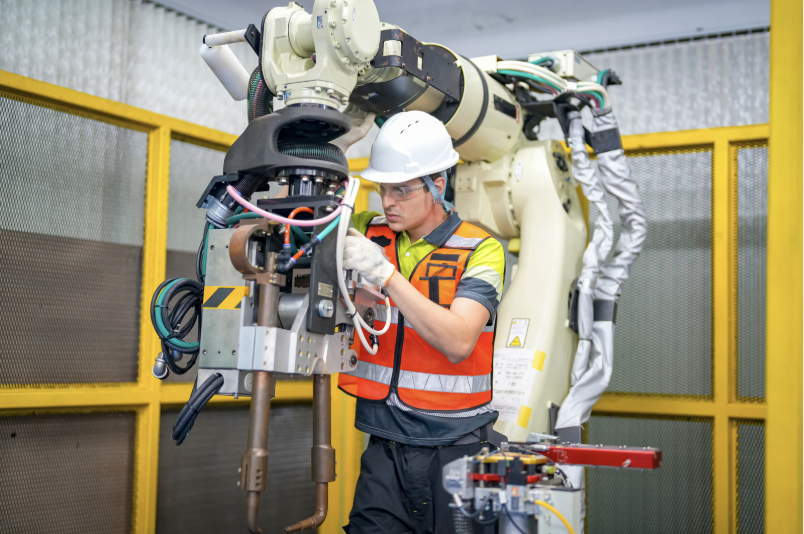
Explore the differences between RPA and manual processes in Norwegian businesses, highlighting the importance of efficiency and the role of Dev Centre House.
Robotic Process Automation (RPA) is reshaping how Norwegian enterprises approach their workflows. With increasing demands for efficiency, businesses are faced with the choice between traditional manual processes and innovative automation. This blog delves into the nuances of RPA and its growing significance in Norway’s unique business environment.
The shift towards RPA is not merely a trend; it is a strategic move for many organisations aiming to enhance operational efficiency. By understanding the implications of both RPA and manual processes, decision-makers can make informed choices that drive their businesses forward.
Overview of RPA and Manual Processes
Robotic Process Automation refers to the use of software robots to automate repetitive tasks traditionally performed by humans. This technology streamlines processes, reduces errors, and allows staff to focus on more strategic activities. In contrast, manual processes rely on human intervention, which can lead to increased error rates and inefficiencies.
Efficiency is crucial for Norwegian enterprises, particularly in a competitive landscape where operational costs and productivity directly impact profitability. Embracing RPA can be a game-changer, enabling organisations to optimise their workflows and deliver better outcomes.
The Landscape of Automation in Norway
Norway has been on a digital transformation journey, witnessing a gradual but significant shift towards automation. The adoption of RPA is gaining momentum as businesses recognise its potential to enhance efficiency and accuracy. Local companies are beginning to explore how automation can streamline their operations and improve service delivery.
A notable example is a company in Norway that successfully implemented RPA to automate their invoicing process. This initiative not only improved accuracy but also freed up valuable time for employees to concentrate on more complex tasks, ultimately leading to better service for their clients.
Challenges of Manual Processes in Norwegian Enterprises
Manual processes can lead to various challenges, particularly in industries like oil and gas, which are crucial to Norway’s economy. Increased error rates due to manual handling can result in costly mistakes and compliance issues. Furthermore, time inefficiencies can significantly affect overall productivity, hindering a company’s ability to compete effectively.
Specific challenges faced in sectors such as Stavanger’s oil and gas industry include the need for precise data management and reporting. Manual processes in these environments not only consume time but also pose risks that can impact safety and operational integrity.
Benefits of RPA Over Manual Processes
Embracing RPA offers numerous advantages for Norwegian enterprises, including:
- Enhanced accuracy and reduction of errors in data handling
- Time savings that lead to increased productivity across teams
- Real-time data processing for better decision-making
- Cost reduction through automation of repetitive tasks
- Scalability of operations without proportional increases in workforce
The Importance of Choosing the Right Software Development Partner
In cities like Oslo and Bergen, the tech ecosystem is thriving, with many local firms specialising in software development. Choosing the right development partner is essential for successful Robotic Process Automation integration. Local partnerships can facilitate smoother transitions, as these companies understand the specific needs and challenges faced by Norwegian enterprises.
Dev Centre House’s expertise in full-cycle software development positions it as a valuable ally for businesses looking to implement RPA solutions. Their understanding of local market dynamics ensures that custom solutions are tailored to meet the unique requirements of Norwegian firms.
Real-World Applications of RPA in Norwegian Industries
Robotic Process Automation is making waves across various sectors in Norway. For instance, the finance sector in Oslo is leveraging automation to streamline processes such as transaction monitoring and reporting. This not only enhances accuracy but also significantly improves response times for customer inquiries.
Specific Industries Benefiting from RPA
- Healthcare: Streamlining patient information processing to improve care delivery.
- Manufacturing: Automating inventory management to reduce waste and improve efficiency.
How Dev Centre House Can Help Norwegian Enterprises
Dev Centre House offers a comprehensive range of services designed to meet the needs of Norwegian enterprises. By providing custom solutions tailored to local business requirements, they ensure that companies can effectively harness the power of Robotic Process Automation.
Client testimonials highlight the positive impact of their services, showcasing successful implementations that have led to improved operational efficiency and customer satisfaction.
Future of RPA in Norway
The future of RPA in Norway looks promising, with predictions indicating continued growth in adoption across various industries. As businesses increasingly recognise the benefits of automation, the demand for skilled software development partners will also rise.
Government policies aimed at encouraging digital transformation may further accelerate RPA adoption, creating opportunities for collaboration between tech firms. This collaborative spirit can drive innovation and position Norway as a leader in automation technologies.
Conclusion
Robotic Process Automation presents a significant opportunity for Norwegian enterprises to enhance their efficiency and accuracy. As businesses navigate the complexities of automation, partnering with experts like Dev Centre House can provide the necessary support for successful implementation. Norwegian enterprises are encouraged to consider RPA as a strategic move towards innovation and operational excellence.
FAQs
What are the main advantages of RPA over manual processes in Norwegian businesses?
The main advantages of RPA include enhanced accuracy, time savings, and improved productivity. By automating repetitive tasks, businesses can reduce human error and allow employees to focus on higher-value activities, ultimately leading to better outcomes.
How can Norwegian enterprises assess their readiness for RPA implementation?
Enterprises can assess their readiness for RPA by evaluating their current processes, identifying areas with high manual workloads, and considering the potential return on investment. Engaging with local experts can also provide insights into the specific challenges and opportunities within their industry.
What specific sectors in Norway are seeing the most benefit from RPA?
Sectors such as healthcare and finance are seeing significant benefits from Robotic Process Automation. In healthcare, RPA helps streamline patient information processing, while in finance, it enhances transaction monitoring and reporting, improving overall efficiency.
Why is it important to choose a local software development partner for RPA projects?
Choosing a local software development partner ensures that businesses benefit from industry-specific knowledge and expertise. Local partners are familiar with the unique challenges faced by Norwegian enterprises, which can lead to smoother RPA integration and more tailored solutions.
What metrics should companies track to evaluate the ROI of RPA in their operations?
Companies should track metrics such as time saved on processes, reduction in error rates, and overall productivity improvements. Evaluating these factors can help businesses understand the impact of Robotic Process Automation on their operations and inform future decisions regarding automation.