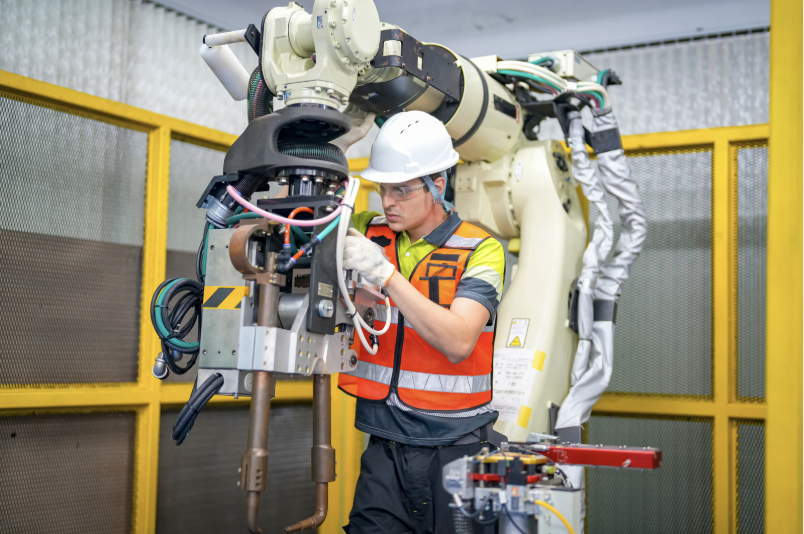
Discover how RPA can transform HR practices in Norwegian companies through payroll automation, onboarding efficiency, and compliance enhancement.
Robotic Process Automation (RPA) is revolutionising how HR departments operate, particularly in Norway. Companies face increasing pressure to streamline processes while maintaining compliance with local regulations. The adoption of RPA technologies provides a solution that enhances efficiency and accuracy, allowing HR professionals to focus on strategic initiatives instead of mundane tasks.
The Norwegian HR landscape is evolving, with automation technologies gaining traction. As businesses seek to optimise operations, RPA emerges as a critical tool for addressing common HR challenges, including payroll management, employee onboarding, compliance, and recruitment.
Overview of RPA and Its Relevance to HR
Robotic Process Automation refers to the use of software to automate repetitive tasks traditionally performed by humans. In HR, this technology is becoming increasingly significant as it addresses inefficiencies and enhances service delivery. Norwegian companies are recognising the potential of RPA to transform their HR practices, making processes faster and more reliable.
The relevance of Robotic Process Automation in HR is underscored by the need for businesses to adapt to changing workforce dynamics and regulatory requirements. With a growing emphasis on digital transformation, RPA stands out as a viable option for organisations aiming to stay competitive.
Payroll Automation: A Game Changer for Norwegian Businesses
Payroll management in Norway presents unique challenges, particularly due to complex tax regulations and compliance requirements. These intricacies can lead to significant administrative burdens for HR departments. Automating payroll processes not only alleviates these challenges but also enhances accuracy and reduces processing time.
Through payroll automation, HR teams can minimise errors that often arise from manual calculations. This shift not only safeguards compliance but also ensures that employees receive their compensation on time, fostering trust and satisfaction within the workforce.
Streamlining Employee Onboarding Processes
Employee onboarding in Norway can be a cumbersome process, often involving extensive paperwork and the challenge of integrating new hires into the company culture. Automating these processes streamlines the onboarding experience, making it more efficient and engaging for new employees.
Local Example of Successful Onboarding Automation
A prominent Norwegian company has successfully transformed its onboarding process through RPA. By automating documentation and training schedules, the organisation has improved the speed and quality of new employee integration, resulting in a smoother transition into the company.
Enhancing Compliance Through Workflow Standardisation
Compliance is paramount in Norwegian HR practices, especially concerning labour laws and regulations. RPA plays a crucial role in standardising workflows, ensuring adherence to these guidelines while reducing human error.
- Data protection policies in accordance with GDPR.
- Standardised reporting for health and safety regulations.
- Streamlined documentation for employee records.
Recruitment Process Optimisation with RPA
The recruitment landscape in Norway faces challenges such as talent shortages in specific tech sectors. HR departments often grapple with time-consuming tasks that detract from strategic planning. RPA tools can automate repetitive recruitment tasks, allowing HR personnel to focus on more impactful activities.
Regional Recruitment Challenges and RPA Solutions
In Oslo’s tech scene, recruitment bottlenecks are prevalent. Automating CV screening and interview scheduling can significantly reduce these delays, enabling companies to attract and secure the right talent more effectively.
Performance Management and Employee Engagement
Tracking employee performance and engagement in the digital age poses its own set of challenges. RPA can facilitate automated performance reviews and feedback loops, ensuring that employees receive timely and constructive evaluations.
As a result, a Norwegian firm has enhanced its employee engagement scores by implementing automated performance management systems, fostering a culture of continuous improvement and development.
Choosing the Right Software Development Partner
Selecting a reliable software partner for RPA implementation is crucial for success. Dev Centre House can support Norwegian companies in their Robotic Process Automation journeys by leveraging local tech talent and expertise. Their full-cycle software development capabilities ensure that organisations receive tailored solutions that meet their specific needs.
Conclusion
The five practical RPA use cases discussed highlight the transformative potential of automation in HR practices within Norwegian companies. By embracing RPA, businesses can enhance efficiency, compliance, and employee engagement, ultimately driving growth. Partnering with the right software provider, such as Dev Centre House, is essential for navigating the complexities of RPA implementation successfully.
FAQs
What are the key benefits of RPA for HR departments in Norway?
The key benefits of Robotic Process Automation for HR departments in Norway include enhanced efficiency, reduced processing times, and improved accuracy in tasks such as payroll and onboarding. By automating repetitive processes, HR teams can focus on strategic initiatives that drive business growth and employee satisfaction.
How does payroll automation specifically address compliance challenges in Norway?
Payroll automation addresses compliance challenges in Norway by ensuring accurate calculations and timely submissions of tax-related information. This reduces the risk of errors and late payments, helping companies adhere to complex regulations while fostering trust among employees.
Can RPA be integrated with existing HR systems in Norwegian companies?
Yes, RPA can be integrated with existing HR systems in Norwegian companies. This seamless integration allows for the automation of various processes without disrupting current operations, making it an ideal solution for enhancing efficiency.
What metrics should companies track to measure the success of RPA implementation in HR?
Companies should track metrics such as processing time reduction, error rates, and employee satisfaction scores to measure the success of RPA implementation in HR. These indicators provide valuable insights into the effectiveness of automation initiatives.
How can Dev Centre House assist businesses in navigating the RPA landscape in Norway?
Dev Centre House can assist businesses in navigating the Robotic Process Automation landscape in Norway by providing tailored software solutions and leveraging local expertise. Their full-cycle software development capabilities ensure that organisations receive the support they need for successful RPA implementation.