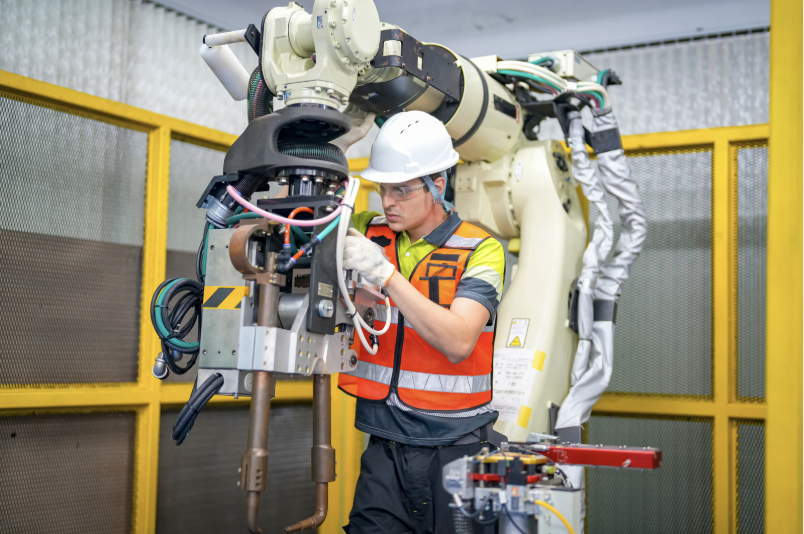
Explore the key challenges Irish companies face in scaling RPA and how Dev Centre House can help navigate these issues.
Robotic Process Automation (RPA) is reshaping how businesses operate in Ireland, offering opportunities for enhanced efficiency and productivity. However, many companies face significant challenges when attempting to scale automation software initiatives. Understanding these obstacles is crucial for decision-makers who aim to leverage digital workforce effectively.
As Irish companies increasingly adopt RPA, the need to address scaling challenges has become paramount. From governance gaps to integration complexities, these issues can hinder the potential benefits of automation tools. By recognising and tackling these challenges, businesses can position themselves for success in a competitive landscape.
Overview of RPA in Ireland’s Business Landscape
Robotic Process Automation (RPA) is a technology that enables organisations to automate repetitive tasks, freeing up valuable human resources for more strategic activities. In Ireland, autoation tools is gaining traction as companies seek to enhance operational efficiency and drive down costs.
The significance of it for Irish companies lies in its ability to streamline processes, reduce errors, and improve service delivery. As businesses look to innovate and remain competitive, software bots has emerged as a vital tool in their arsenal.
The Dublin Tech Ecosystem: A Hub for RPA Innovation
Dublin’s tech ecosystem is a vibrant landscape fostering innovation in RPA solutions. The city’s dynamic start-up culture and established tech firms are driving advancements in automation technology, making it a hotspot for automation software development.
Local success stories illustrate how companies have scaled their robotic process automation solutions, yet challenges remain. Many Dublin-based organisations grapple with poorly documented processes that hinder automation efforts.
Challenges Faced by Dublin-Based Companies in Scaling RPA
- Poor process documentation limiting automation
- Examples of companies struggling with poorly documented processes
Governance Gaps: A Barrier to ROI Visibility
Effective governance is essential for successful software bots initiatives. Without clear governance structures, companies may struggle to measure the return on investment (ROI) from their automation efforts. This lack of visibility can lead to uncertainty and hinder decision-making.
Specific examples from Irish companies reveal how governance issues have impeded ROI visibility, often resulting in confusion over project ownership and accountability.
Governance Challenges
- Lack of clear ownership of digital workforce projects
- Insufficient training for staff on automation tools governance
- Inconsistent reporting metrics across departments
Integration Complexity: The Roadblock to Expansion
Integration challenges are a significant hurdle for Irish businesses looking to expand their RPA capabilities. Many organisations struggle to seamlessly integrate RPA solutions into their existing systems, which can delay progress and diminish the benefits of automation.
Legacy systems often complicate integration efforts, making it difficult for companies to realise the full potential of bot-driven workflows. However, some organisations have successfully navigated these challenges through strategic planning and collaboration.
Local Examples of Businesses Overcoming Integration Challenges
- Case studies of companies in Cork that have struggled with integrating RPA into existing systems
- The role of legacy systems in complicating integration efforts
Leveraging Local Talent for RPA Success
The availability of skilled talent in regions like Galway plays a crucial role in the success of RPA projects. Local educational institutions are actively contributing to the automation software workforce, ensuring that companies have access to the necessary skills and expertise.
Partnerships between companies and tech schools are fostering RPA expertise, creating a pipeline of talent ready to tackle the challenges of automation in the workplace.
Choosing the Right Software Development Partner
Selecting a partner with RPA expertise is vital for scaling automation initiatives effectively. Collaborating with a knowledgeable partner can streamline the implementation process and mitigate common challenges.
Working with Dev Centre House offers specific advantages for robotic process automation scaling, including tailored solutions and expert guidance. Companies that have partnered with Dev Centre House have reported positive experiences in navigating their automation journeys.
Unique Opportunities for Irish Companies
The landscape for RPA in Ireland presents unique opportunities across various sectors, such as fintech in Dublin and healthcare in Galway. These sectors are ripe for innovation, and companies can leverage automation tools to enhance their operations and service delivery.
Dev Centre House can assist businesses in identifying and capitalising on these opportunities, helping them stay competitive in an ever-evolving market.
Conclusion
Irish companies face several challenges when scaling RPA, including governance gaps, integration complexities, and the need for skilled talent. Addressing these obstacles proactively is essential for businesses aiming to maximise the benefits of automation.
By partnering with experts like Dev Centre House, organisations can navigate the complexities of RPA and position themselves for success in the digital age.
FAQs
What are the main challenges Irish companies face when scaling RPA?
The primary challenges include poor process documentation, governance gaps, and integration complexities. These hurdles can hinder effective automation and limit the potential benefits of RPA initiatives.
How does poor process documentation affect RPA implementation in Ireland?
Poor process documentation can lead to confusion and inefficiencies during RPA implementation. Without clear documentation, identifying automation opportunities becomes challenging, resulting in suboptimal outcomes.
What governance gaps are common in RPA initiatives among Irish businesses?
Common governance gaps include unclear project ownership, insufficient staff training on digital workforce governance, and inconsistent reporting metrics. These issues can significantly impede the success of software bots initiatives and hinder ROI visibility.
How can Dev Centre House assist companies in overcoming integration complexities?
Dev Centre House can provide expert guidance and tailored solutions to help businesses navigate integration challenges. Their experience in software bots can streamline the process and ensure successful implementation within existing systems.
Why is local talent important for the successful scaling of RPA in Ireland?
Local talent is crucial as it ensures companies have access to skilled professionals familiar with bot-driven workflow technologies. Collaborating with educational institutions can help build a robust workforce that meets the demands of automation projects.