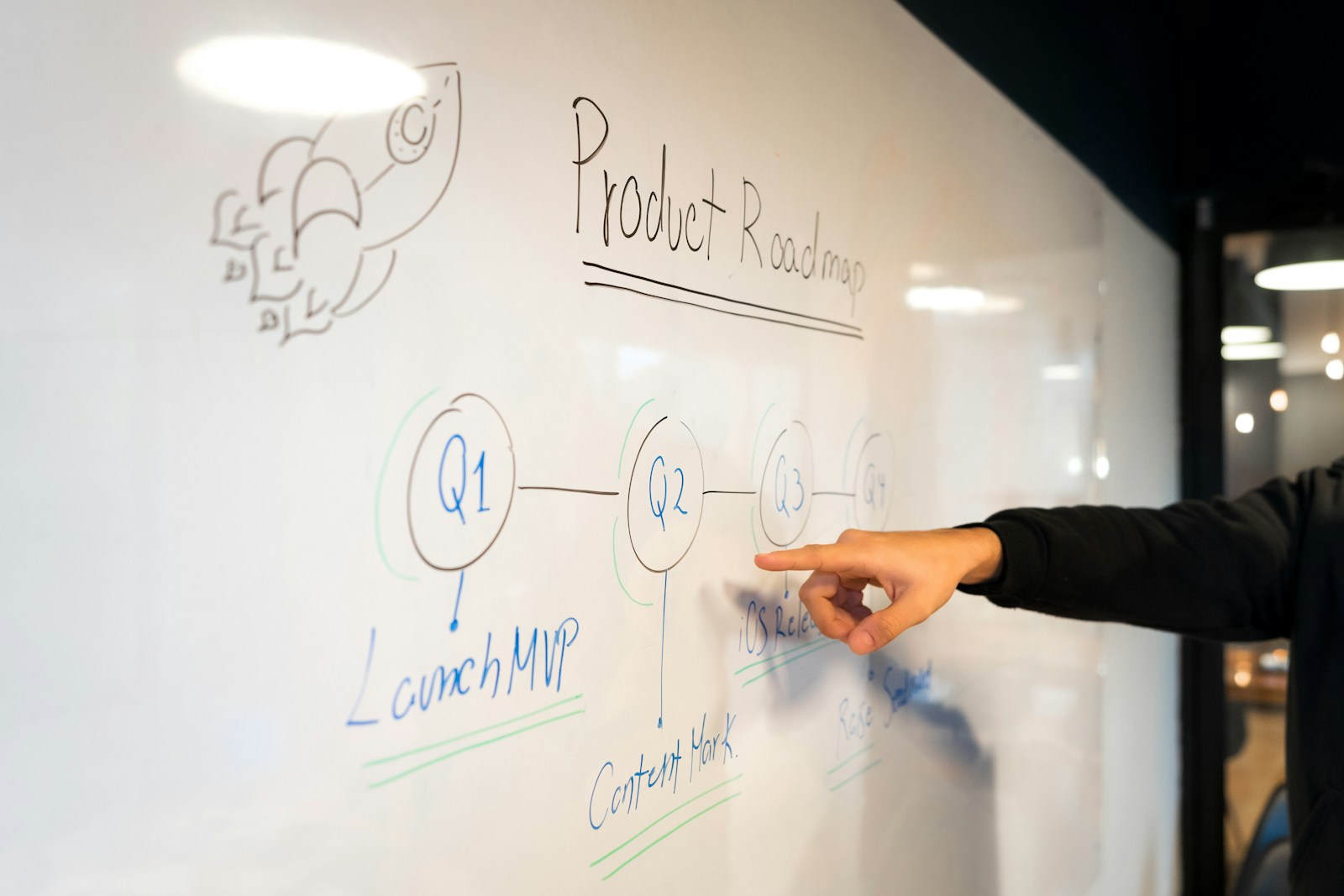
Failure is often perceived as a setback in the startup world, yet for many Norwegian startups, it serves as a powerful catalyst for refinement and growth. In Oslo’s vibrant tech ecosystem, initial failures are not endpoints but valuable learning moments that shape smarter strategies. Understanding what sets these startups apart after early missteps offers crucial […]
Failure is often perceived as a setback in the startup world, yet for many Norwegian startups, it serves as a powerful catalyst for refinement and growth. In Oslo’s vibrant tech ecosystem, initial failures are not endpoints but valuable learning moments that shape smarter strategies. Understanding what sets these startups apart after early missteps offers crucial insights for CTOs and tech leaders aiming to build resilient and scalable products.
One key area where Norwegian startups excel is MVP development. By recalibrating their approach after initial failures, they rapidly identify core value, implement continuous validation, and strike a balance between speed and technical robustness. This blog explores the four distinct practices that help Norwegian startups transform failure into fuel for success, providing actionable lessons for tech leaders across Norway and beyond.
Overview of MVP Development in Norway, Oslo
Minimum Viable Product (MVP) development is a foundational process for startups looking to introduce innovative solutions efficiently. In Oslo, the startup ecosystem thrives on a culture of experimentation and agility, supported by a growing network of investors, accelerators, and tech talent. Norwegian startups leverage MVPs not just to launch products quickly but to learn continuously, adapting to market feedback while minimising resource wastage.
Oslo’s tech scene benefits from a strong emphasis on sustainability and user-centric design, influencing how startups approach MVP development. The prioritisation of delivering clear, tangible value early on ensures that products align closely with user needs and market demands. This environment fosters a unique approach to MVPs, where learning from failure is embedded in the development cycle itself.
The Core Challenge / Context
Startups worldwide face the inherent challenge of balancing speed with quality when delivering MVPs. Initial failures often stem from either overly broad feature sets that dilute focus or insufficient validation that misses critical user insights. In Norway, these challenges are compounded by high expectations for technical stability and long-term viability, influenced by the country’s rigorous standards for digital services.
For Norwegian startups, the pressure to succeed quickly while maintaining robust, reliable products means that early failures prompt strategic reassessment rather than abandonment. Understanding how to pivot effectively requires a disciplined approach to narrowing scope, validating assumptions, and managing technical risks. The following sections detail how Norwegian startups tackle these core challenges differently after their first setbacks.
Narrowing Scope to Core Value Quickly
One defining characteristic of Norwegian startups after initial MVP failure is the rapid narrowing of their product scope. Instead of attempting to solve multiple problems at once, they focus relentlessly on the single feature or benefit that delivers the highest value to users. This approach is grounded in the principle that clarity drives product-market fit more effectively than complexity.
By stripping back to essentials, startups reduce development overhead and accelerate time-to-market for a refined MVP. This sharp focus enables teams to allocate resources more efficiently, reducing noise from secondary features that may distract from the core proposition. Norwegian startups often use data-driven metrics and user feedback to identify which elements truly matter, allowing them to iterate with precision rather than guesswork.
Validation Becomes Continuous, Not One-Off
Rather than treating validation as a single milestone, Norwegian startups embed it into an ongoing process throughout the MVP development lifecycle. Continuous validation means regularly collecting and analysing user feedback, usage data, and market signals to inform incremental improvements. This dynamic approach contrasts with more traditional models that rely on fixed validation points before moving forward.
This continuous loop of testing and learning allows startups to detect misalignments early and adjust their product strategies proactively. In Oslo’s startup community, methodologies such as Lean Startup and Agile are widely adopted to support this mindset. The result is a product development cycle that remains flexible, user-centred, and resilient to shifting market conditions.
Speed Balanced with Technical Stability
Speed is critical in MVP development, but Norwegian startups recognise that rushing at the expense of technical stability can lead to costly setbacks. After initial failures, many founders prioritise establishing a solid technical foundation that supports scalability and reliability without compromising delivery speed.
This balance often involves adopting modular architectures, automated testing, and continuous integration pipelines that enable rapid yet stable deployments. By investing in code quality and infrastructure early, startups minimise technical debt and reduce the risk of outages or performance issues that could undermine user trust. This pragmatic approach to engineering ensures the MVP can evolve sustainably as the product matures.
How Dev Centre House Supports CTOs and Startups in Norway
At Dev Centre House, we understand the unique challenges faced by Norwegian startups and tech leaders navigating MVP development post-failure. Our expert team specialises in helping startups in Oslo and across Norway narrow their product scope, implement continuous validation strategies, and balance speed with technical excellence.
We work closely with CTOs and startup teams to craft tailored MVP development roadmaps that prioritise core value delivery while ensuring robust architecture. Our collaborative approach leverages industry best practices and local market insights, equipping startups to transform initial setbacks into scalable success. With Dev Centre House as a partner, Norwegian startups gain the technical expertise and strategic guidance necessary to accelerate growth sustainably.
Conclusion
Failure in the early stages of MVP development is a common, often necessary step on the path to building successful products. Norwegian startups distinguish themselves by quickly narrowing their focus to core value, embracing continuous validation, and achieving a careful balance between speed and technical stability. These practices reflect a pragmatic, data-informed mindset that turns failure into opportunity.
For CTOs and tech leaders in Oslo and beyond, adopting these approaches can significantly improve the chances of product-market fit and long-term success. Partnering with experienced teams like Dev Centre House ensures that startups not only learn from failure but also leverage it as a strategic advantage in their MVP journey.
FAQs
What does narrowing scope to core value mean in MVP development?
Narrowing scope to core value involves focusing your MVP on the single most important feature or benefit that delivers clear value to users. This helps reduce complexity, speeds up delivery, and improves the chances of product-market fit by addressing a specific user need effectively.
How is continuous validation different from traditional validation?
Continuous validation is an ongoing process of gathering user feedback and data throughout the development cycle, rather than validating only at fixed points. This allows startups to iterate rapidly, catch issues early, and pivot based on real-world insights rather than assumptions.
Why is balancing speed with technical stability important?
While speed is essential to get an MVP to market quickly, technical stability ensures that the product is reliable and scalable. Balancing both prevents costly downtime, technical debt, and user dissatisfaction, supporting sustainable growth and a better user experience.
How can Dev Centre House help Norwegian startups after initial MVP failure?
Dev Centre House provides expert guidance and technical support tailored to the needs of Norwegian startups. We help refine product focus, implement continuous validation strategies, and build stable yet agile technical architectures to accelerate MVP development and improve market outcomes.
What makes Oslo’s startup ecosystem unique for MVP development?
Oslo’s ecosystem combines high technical standards, emphasis on sustainability, and a collaborative innovation culture. This creates an environment where startups prioritise user-centric design, quality, and agility, making MVP development a strategic and iterative process rather than a one-time event.