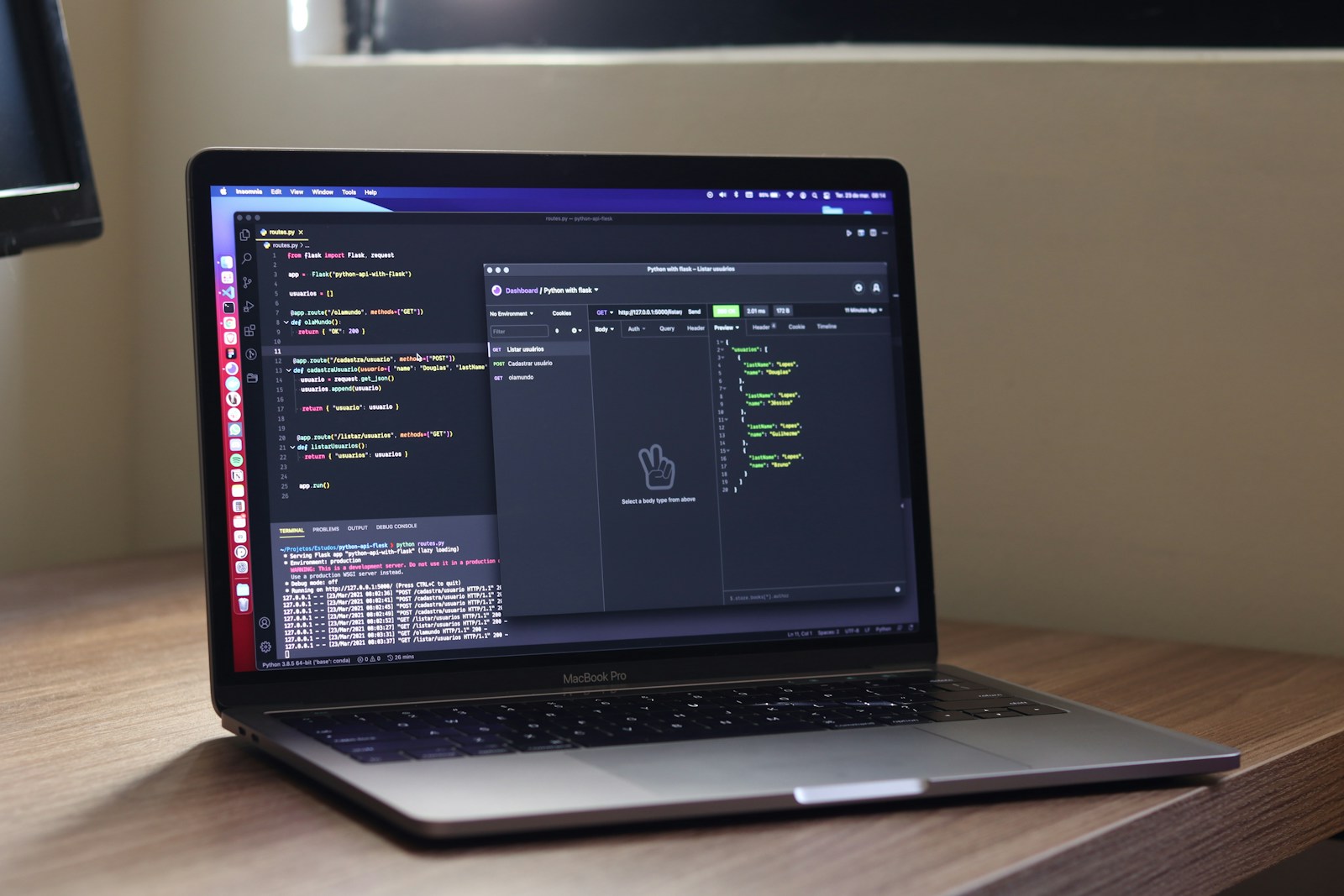
Explore Vibe Coding strategies for rapid prototyping in Oslo’s tech landscape. Learn how AI, iteration, and flexible workflows can drive innovation.
Rapid product prototyping is essential for tech companies in Oslo, where innovation drives competitiveness. Vibe Coding offers a fresh perspective, enabling developers to create and iterate quickly. As the local market evolves, businesses must adapt their approaches to meet challenges and seize opportunities.
In a city characterised by its vibrant startup ecosystem, the integration of cutting-edge coding methodologies can make a significant difference. This article delves into four key Vibe Coding approaches that can empower Oslo’s tech firms to enhance their rapid prototyping capabilities.
Overview of Vibe Coding and Its Relevance to Rapid Prototyping
Vibe Coding refers to coding practices that prioritise speed and adaptability, allowing developers to prototype efficiently. This approach is increasingly relevant in today’s fast-paced tech landscape, especially in Oslo, where the demand for quick turnaround times is ever-growing.
Oslo’s tech startups often face challenges such as limited resources and intense competition. By utilising Vibe Coding, these firms can navigate product development hurdles more effectively, enabling them to bring their ideas to market faster and with greater confidence.
The Role of AI-Assisted Coding in Oslo’s Tech Scene
AI-assisted coding tools have revolutionised the way local developers approach their projects. These tools streamline coding processes, significantly enhancing efficiency and freeing developers to focus on creative aspects of product development.
A notable Oslo-based startup has successfully integrated AI-assisted coding into its workflow, resulting in improved collaboration and faster project completion. The benefits of such integration extend beyond mere speed; it fosters a culture of innovation and experimentation, vital for rapid prototype delivery.
Embracing Rapid Iteration for Effective Product Validation
Rapid iteration is a crucial element of product validation in Oslo’s dynamic environment. By continuously refining their prototypes based on user feedback, businesses can ensure their products meet market needs effectively.
However, many Oslo businesses encounter hurdles in validating product ideas swiftly, often due to rigid processes or lack of resources. Embracing rapid iteration can mitigate these challenges, allowing companies to pivot quickly and respond to consumer demands.
Local Success Stories
- Several Oslo companies have thrived by implementing rapid iteration strategies, consistently adapting their offerings based on user insights.
- The impact of rapid validation on business growth has been profound, fostering a culture of agility and responsiveness.
Flexible Workflows and Their Importance for Experimentation
Flexible workflows are essential in Oslo’s diverse tech landscape, where companies must adapt to changing market conditions. By embracing flexibility, businesses can create an environment ripe for experimentation and innovation.
Despite this, many local firms face challenges related to workflow rigidity, which can stifle creativity and slow down project timelines. Addressing these issues is critical for fostering a culture of innovation.
Adapting Workflows to Local Needs
- Implementing flexible workflows involves reassessing and redesigning existing processes to better accommodate change.
- Local regulations and market conditions significantly influence how companies can adapt their workflows, necessitating a tailored approach.
The Importance of Choosing the Right Software Development Partner
Selecting the right tech partner is a pivotal decision for businesses in Oslo. Factors such as expertise, local market knowledge, and a proven track record should guide this choice.
Working with local firms like Dev Centre House can provide a competitive advantage. Such partnerships often lead to better communication and understanding of the unique challenges faced by Oslo’s tech ecosystem.
- Expertise in Vibe Coding methodologies
- Proven track record with rapid prototyping
- Local knowledge and understanding of the Oslo tech ecosystem
- Access to a network of skilled professionals and resources
Unique Opportunities for Businesses in Oslo
The local tech ecosystem in Oslo presents unique advantages for businesses looking to innovate. Government incentives aimed at fostering tech innovation create a supportive environment for startups and established companies alike.
Dev Centre House can assist businesses in leveraging these opportunities, providing expertise and resources to navigate the local landscape effectively. With the right support, companies can harness the potential of Oslo’s vibrant tech scene to drive growth.
Conclusion
Vibe Coding approaches are vital for rapid prototyping in Oslo’s tech landscape. By embracing AI-assisted coding, rapid iteration, and flexible workflows, businesses can enhance their product development processes. As the local market continues to evolve, considering Dev Centre House as a software development partner can be a strategic move for those aiming to thrive in this competitive environment.
FAQs
What is Vibe Coding, and how does it impact rapid prototyping in Oslo?
Vibe Coding is a methodology that focuses on agile and adaptable coding practices. In Oslo, it allows developers to create prototypes quickly, making it easier to respond to market demands and user feedback. This approach is particularly beneficial for startups, helping them navigate the competitive landscape and bring their ideas to fruition more efficiently.
How does AI-assisted coding enhance product development for Oslo startups?
AI-assisted coding tools streamline the coding process, enabling Oslo startups to enhance their efficiency. By automating repetitive tasks, these tools allow developers to focus on more innovative aspects of product creation. This not only speeds up the development cycle but also fosters a collaborative environment that encourages creativity and experimentation.
What are the challenges of rapid iteration for businesses in Oslo?
Oslo businesses often face challenges such as limited resources and rigid processes that hinder rapid iteration. These obstacles can slow down product validation and prevent companies from effectively responding to changing market needs. By adopting agile methodologies, businesses can overcome these hurdles and improve their ability to iterate quickly.
Why is it crucial to have flexible workflows for experimentation in the local tech scene?
Flexible workflows are essential for fostering a culture of experimentation in Oslo’s tech scene. They enable companies to adapt to changing market conditions and encourage innovative thinking. Without flexibility, businesses may struggle to pivot when necessary, limiting their potential for growth and success in a competitive environment.
How can Dev Centre House support Oslo businesses in their software development needs?
Dev Centre House offers expertise in Vibe Coding methodologies and a deep understanding of the Oslo tech ecosystem. By partnering with local firms, businesses can benefit from tailored solutions that address their specific challenges. This collaboration can enhance product development processes and improve overall efficiency.