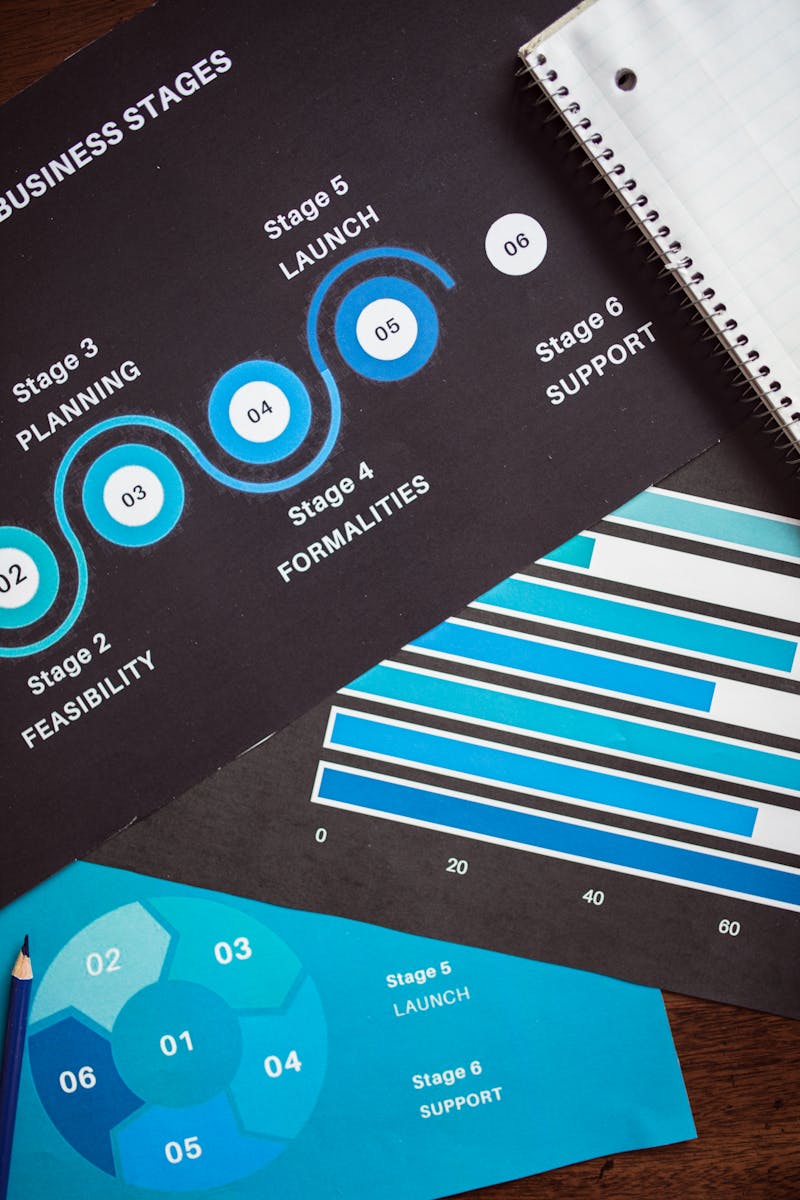
Explore how Norwegian companies approach long-term software planning, focusing on roadmaps, architecture, governance, and local challenges.
Long-term software planning has become critical for Norwegian companies aiming to stay competitive in a rapidly evolving digital landscape. With unique challenges such as limited local talent and high operational costs, businesses must adopt structured approaches to navigate these complexities effectively.
As firms in Norway increasingly recognise the importance of strategic software planning, they are also discovering opportunities for growth and innovation. This blog delves into the significance of roadmaps, architecture planning, governance, and the local tech ecosystem in shaping successful software strategies.
Overview of Long-Term Software Planning in Norway
Long-term software planning is essential for Norwegian companies, providing a framework that aligns technology initiatives with business goals. The tech landscape in Norway presents unique challenges, including a scarcity of local talent and high operational costs, making it crucial for businesses to adopt a strategic approach.
Companies must navigate these hurdles while leveraging the opportunities that structured planning offers. By focusing on long-term strategies, businesses can better position themselves for future growth and sustainability.
The Importance of Roadmaps for Business Growth
Strategic roadmaps have become a vital tool for Norwegian companies, enabling them to align software development initiatives with overarching business objectives. These roadmaps serve as a guide for prioritising projects and ensuring that resources are allocated effectively.
In Oslo, for example, businesses have successfully implemented roadmaps that resonate with the city’s dynamic tech ecosystem, fostering innovation and collaboration. These strategic plans not only clarify the direction but also facilitate communication among stakeholders.
Key Components of a Successful Roadmap
- Vision and mission alignment
- Market analysis and competitive landscape
- Technology trends specific to Norway
Architecture Planning for Scalability
Robust architecture planning is vital for Norwegian companies seeking to scale in an ever-evolving market. By focusing on scalable solutions, businesses can adapt to changing demands and seize new opportunities.
A Bergen-based company exemplifies effective scaling through innovative architecture solutions, demonstrating how a thoughtful approach can lead to significant growth. This highlights the importance of designing systems that can evolve alongside business needs.
Best Practices for Architecture Planning
- Modular design approaches
- Cloud integration strategies
- Local regulatory considerations impacting architecture
Governance for Consistent Execution
Governance plays a crucial role in ensuring that software projects remain on track and aligned with business goals. Effective governance structures enhance project success rates, particularly in the Trondheim tech sector, where local practices influence outcomes.
By establishing clear governance frameworks, Norwegian companies can improve accountability and streamline decision-making processes, ultimately leading to more successful project completions.
- Agile methodologies and their adoption rates in Norway
- Stakeholder engagement practices unique to local culture
- Risk management frameworks tailored for Norwegian regulations
Navigating Local Challenges in the Digital Age
Norwegian businesses face various challenges in their digital transformation journeys, including data privacy concerns and integration issues. These hurdles can significantly impact the implementation of new software solutions.
For instance, a Stavanger company successfully navigated data protection challenges, demonstrating the importance of proactive strategies in overcoming local obstacles. Such examples underline the need for tailored approaches to digital transformation.
Strategies for Overcoming Local Digital Challenges
- Collaboration with local IT consultants
- Utilising government resources and incentives
- Building a culture of innovation within teams
Choosing the Right Software Development Partner
Selecting a software development partner that understands local market dynamics is critical for Norwegian companies. A partner like Dev Centre House can provide tailored solutions that align with the unique needs of businesses in Norway.
By leveraging local expertise, companies can ensure compliance with regulations and access a network of tech talent. This partnership approach enables businesses to deliver scalable solutions that meet market demands.
- Expertise in local regulations and compliance
- Access to a network of local tech talent
- Proven track record in delivering scalable solutions
Leveraging the Norwegian Tech Ecosystem
The thriving tech hubs in cities like Oslo, Bergen, and Stavanger offer significant benefits for businesses looking to innovate. Collaboration within these ecosystems can lead to enhanced opportunities for partnerships and networking.
As companies engage with local tech communities, they can tap into a wealth of resources and knowledge, fostering an environment conducive to growth and innovation.
Future Trends in Norway’s Tech Landscape
- Growth of AI and machine learning applications
- Increasing focus on sustainable technology solutions
- The rise of remote work and its impact on software development
Conclusion
Structured long-term software planning is essential for Norwegian companies aiming to thrive in the digital landscape. By adopting strategic roadmaps, robust architecture planning, and effective governance, businesses can navigate local challenges and seize opportunities.
Dev Centre House offers valuable support in this journey, helping local businesses align their software strategies with the evolving tech ecosystem in Norway.
FAQs
What are the key components of a successful software development roadmap in Norway?
The key components include vision and mission alignment, thorough market analysis, and an understanding of technology trends specific to Norway. These elements ensure that the roadmap is tailored to the unique needs of the local market.
How does architecture planning impact scalability for Norwegian businesses?
Architecture planning directly affects scalability by enabling companies to design systems that can adapt to growth. A robust architecture allows businesses to respond to changing demands and leverage opportunities effectively.
What governance structures are most effective for software projects in Norway?
Effective governance structures often include agile methodologies, stakeholder engagement practices, and tailored risk management frameworks. These elements help ensure that projects stay on track and aligned with business objectives.
How can Norwegian companies overcome local digital transformation challenges?
Companies can overcome digital transformation challenges through collaboration with local IT consultants, utilising government resources, and fostering a culture of innovation within their teams. These strategies can facilitate smoother transitions to new technologies.
Why is it essential to choose a local software development partner in Norway?
A local software development partner understands the market dynamics and regulatory landscape. This knowledge enables businesses to navigate challenges effectively and implement solutions that are compliant and scalable.