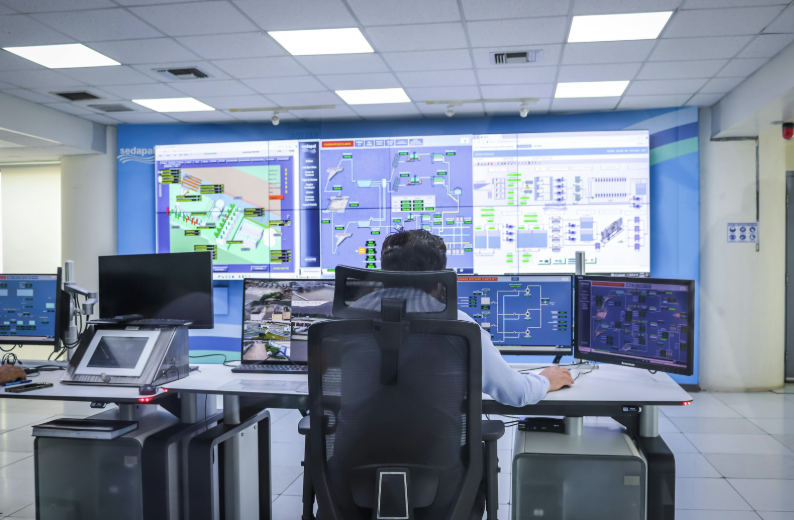
AI integration is becoming a strategic priority for enterprises across Norway as organisations seek greater automation, operational intelligence, and real-time decision support. In Oslo, businesses are increasingly preparing infrastructure for machine learning systems, AI copilots, and automated operational workflows that can support long-term digital transformation. Yet many enterprises are discovering that older infrastructure environments create […]
AI integration is becoming a strategic priority for enterprises across Norway as organisations seek greater automation, operational intelligence, and real-time decision support. In Oslo, businesses are increasingly preparing infrastructure for machine learning systems, AI copilots, and automated operational workflows that can support long-term digital transformation.
Yet many enterprises are discovering that older infrastructure environments create major obstacles long before AI systems reach production. It is tempting to focus heavily on AI models and automation capabilities, yet in practice legacy infrastructure often becomes the biggest limiting factor affecting scalability, reliability, and operational flexibility. For many organisations in Oslo, legacy modernisation is now being treated as a necessary foundation for successful AI adoption rather than a separate infrastructure initiative.
Overview Of Legacy Modernisation In Oslo’s Enterprise Environment
Many enterprises in Oslo continue operating on infrastructure environments that evolved gradually over long periods of operational growth. These systems frequently combine older backend platforms, fragmented databases, tightly coupled applications, and custom integrations built long before modern AI workloads became operationally relevant.
While these environments often remain stable for transactional operations, they struggle to support the flexibility, scalability, and orchestration requirements introduced by AI systems. Machine learning infrastructure depends heavily on real-time data access, distributed processing, scalable APIs, and operational observability, capabilities that many older systems were never designed to provide. As a result, businesses are increasingly modernising core infrastructure layers before attempting broader AI deployment across operational environments.
Older Architectures Struggle With Real-Time AI Workloads
One of the biggest problems enterprises in Oslo are addressing is the inability of older architectures to support real-time AI processing effectively. Traditional enterprise systems were typically designed around predictable workflows and transactional consistency rather than continuous AI inference and event-driven orchestration.
As AI systems begin interacting with operational data streams, customer workflows, and backend infrastructure simultaneously, latency and scalability limitations become more visible. Older monolithic environments often struggle under fluctuating AI workloads that require distributed processing and flexible resource scaling. It is tempting to integrate AI incrementally into existing systems, yet infrastructure bottlenecks frequently appear long before production-scale deployment becomes sustainable.
Data Silos Limit Integration Flexibility
Data fragmentation is another major issue enterprises are addressing before expanding AI adoption. In Oslo, many organisations operate across disconnected operational systems where critical data remains isolated between departments, platforms, or infrastructure environments.
AI systems rely heavily on consistent and accessible information across operational workflows. When data remains siloed, integration becomes significantly more complex and automation capabilities become limited.
Why AI Systems Depend On Unified Data Access
Machine learning systems require broad visibility across operational information in order to produce reliable insights and support intelligent automation consistently.
Fragmented Infrastructure Slows Modernisation
Disconnected systems often create duplicated workflows, inconsistent reporting, and integration delays that reduce the effectiveness of AI-driven operations.
API Limitations Affect Automation Scalability
Many enterprises in Oslo are also discovering that older API environments struggle to support modern automation and AI orchestration requirements. Legacy APIs were often built around low-frequency transactional requests rather than continuous interaction between distributed services and AI systems.
As automation expands across operational environments, API scalability, latency management, and infrastructure coordination become increasingly important. Weak API architecture can quickly become a bottleneck that slows workflow automation and reduces infrastructure flexibility.
It is tempting to optimise AI services independently, yet automation scalability frequently depends more on API infrastructure quality than on the AI systems themselves.
Legacy Infrastructure Is Becoming A Strategic AI Priority
As AI adoption expands, infrastructure modernisation is becoming more operationally central across enterprise environments.
This often leads to:
- Greater investment in distributed cloud-native infrastructure
- Increased focus on API scalability and operational interoperability
- More effort towards reducing fragmented data environments
These modernisation efforts are helping businesses create infrastructure ecosystems better suited for scalable AI integration over the long term.
Local Challenges Facing Enterprises In Oslo
Enterprises in Oslo face several challenges while modernising older operational systems. Many organisations must preserve operational continuity while upgrading infrastructure that supports critical business workflows and legacy applications simultaneously.
There is also pressure to accelerate AI adoption without destabilising operational environments that remain essential to daily business activity. Balancing infrastructure modernisation with operational reliability is becoming increasingly difficult as digital transformation projects grow more complex.
For many enterprises, the challenge is no longer whether to modernise legacy systems, but how to do so without disrupting ongoing operations.
The Role Of Legacy Modernisation In AI Readiness
Legacy modernisation increasingly functions as a prerequisite for scalable AI adoption rather than simply an infrastructure improvement exercise. Businesses now require modern systems capable of supporting distributed processing, operational visibility, real-time orchestration, and scalable automation simultaneously.
Working with an experienced partner such as Dev Centre House Ireland allows organisations to approach infrastructure modernisation strategically, ensuring that APIs, data environments, and backend systems evolve in alignment with future AI requirements.
This helps enterprises reduce integration friction while improving long-term infrastructure flexibility and scalability.
Choosing The Right Legacy Modernisation Partner In Oslo
Selecting the right modernisation partner is essential for businesses preparing infrastructure for AI integration. Organisations in Oslo need support that combines infrastructure engineering expertise with practical understanding of enterprise operations, scalability planning, and system interoperability.
A strong partner helps businesses modernise incrementally while maintaining operational continuity and infrastructure stability throughout transformation phases. Working with a partner such as Dev Centre House Ireland allows enterprises to prepare legacy environments for AI adoption while preserving long-term operational resilience.
Conclusion
Legacy infrastructure limitations are becoming one of the biggest obstacles facing enterprise AI adoption across Norway. In Oslo, older architectures, fragmented data environments, and outdated API systems are forcing organisations to modernise core infrastructure before AI systems can scale effectively.
By improving interoperability, strengthening infrastructure scalability, and reducing operational fragmentation, enterprises can create environments better suited for sustainable AI integration. Partnering with an experienced provider such as Dev Centre House Ireland helps ensure that legacy modernisation supports both operational continuity and long-term AI readiness.
FAQs
Why Do Legacy Systems Create Problems For AI Integration?
Older systems were typically designed around transactional workflows rather than real-time AI processing, distributed orchestration, and scalable automation requirements.
How Do Data Silos Affect AI Systems?
Fragmented data environments reduce integration flexibility and limit the ability of AI systems to access consistent operational information across workflows.
Why Are APIs Important For AI Scalability?
AI and automation systems rely heavily on APIs for orchestration and data exchange. Weak API infrastructure often creates scalability bottlenecks.
Why Are Enterprises Modernising Infrastructure Before AI Deployment?
Modern infrastructure provides better scalability, interoperability, observability, and operational flexibility required for sustainable AI integration.
How Can Dev Centre House Support Legacy Modernisation In Norway?
Dev Centre House Ireland supports legacy modernisation by improving API architecture, reducing data fragmentation, modernising infrastructure systems, and preparing enterprise environments for scalable AI adoption.