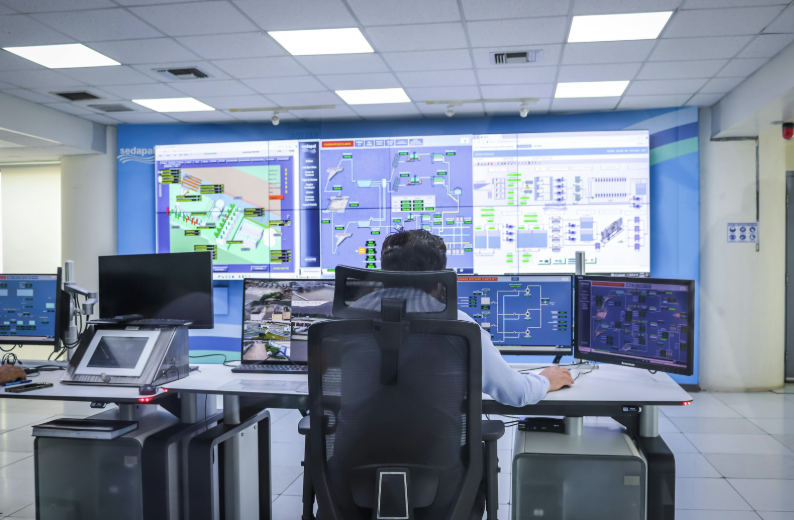
Explore why Irish companies are opting to rebuild systems rather than patching, focusing on long-term benefits and modern architecture.
The challenges faced by Irish companies in maintaining and upgrading their systems are becoming increasingly pronounced. Many are discovering that patching legacy systems is not a sustainable solution. Instead, the focus is shifting towards rebuilding systems from the ground up, allowing for enhanced scalability and performance.
As the digital landscape evolves, it is essential for businesses to adapt to new technologies. Rebuilding offers a pathway to modern architecture, which supports growth and innovation. This transformation is not merely a trend, it is a necessary step for companies aiming for long-term success in a competitive market.
The Cost of Patchwork Fixes
Patching legacy systems may seem like a cost-effective solution in the short term, but it often leads to higher long-term expenses. This approach can result in a cycle of continuous fixes that do not address the root problems. For instance, companies in Dublin are increasingly finding that outdated fintech solutions contribute to escalating operational costs.
Moreover, reliance on patchwork fixes can significantly hinder scalability and performance. Inefficiencies in these systems can stifle growth, making it difficult for businesses to respond to market demands effectively.
The Benefits of Rebuilding Systems
Rebuilding systems provides numerous advantages over patching, particularly regarding scalability and performance. A well-architected system can accommodate future growth while ensuring operational efficiency. For instance, a healthcare IT firm in Galway successfully transitioned to a modern architecture, enhancing its service delivery and operational capabilities.
Key Considerations for Rebuilding
- Assessing current technology stacks to identify limitations.
- Identifying business goals and future needs to align with new solutions.
Modern Architecture: Supporting Future Growth
Modern software architecture plays a pivotal role in facilitating future growth and innovation. It allows businesses to integrate new technologies seamlessly, ensuring they remain competitive. In Cork, the ongoing digital transformation in manufacturing highlights the need for robust IT infrastructures that can support evolving business models.
Advantages of Modern Architecture
- Improved system integration, enabling better communication between disparate systems.
- Enhanced user experience through optimised interfaces and faster response times.
- Greater flexibility and adaptability to market changes, allowing swift pivots when necessary.
The Role of Local Tech Ecosystems
The thriving tech hubs in Ireland significantly influence business decisions, particularly in software development. Dublin’s position as a fintech leader shapes the software requirements for many companies, driving them toward innovative solutions. The local ecosystem fosters collaboration and knowledge sharing, essential for technological advancement.
Local Talent and Government Support
- Availability of skilled developers and IT professionals is abundant in urban centres.
- An overview of government incentives for digital innovation encourages businesses to invest in technology.
Choosing the Right Software Development Partner
Selecting a capable partner for system rebuilding is crucial for success. Dev Centre House stands out in the market, offering full-cycle software development and IT consultancy tailored to the unique needs of Irish businesses. Their expertise helps local companies navigate the complexities of modernisation effectively.
Overcoming Local Challenges with Innovative Solutions
Various regions in Ireland face specific challenges that can hinder technological advancement. Businesses in Dublin, Galway, and Cork often contend with issues such as resistance to change in legacy systems and budget constraints that affect technology upgrades. Each of these regions has unique needs that must be addressed to facilitate progress.
Common Local Challenges
- Resistance to change in legacy systems can stall necessary upgrades.
- Budget constraints affecting technology upgrades limit innovation.
- Need for compliance with local regulations complicates system transitions.
Conclusion
Irish companies are increasingly recognising the necessity of rebuilding systems instead of patching them. The advantages of modern architecture and selecting the right partnerships cannot be overstated. By embracing innovative solutions, businesses can position themselves for future growth and success.
Business owners are encouraged to explore how Dev Centre House can assist in navigating the complexities of system rebuilding and technological advancement.
FAQs
What are the long-term costs associated with patching legacy systems in Ireland?
Patching legacy systems can lead to escalating long-term costs due to ongoing maintenance and inefficiencies. As systems require continuous fixes, companies may find that these expenses accumulate over time, ultimately hindering their ability to invest in more effective solutions.
How can rebuilding systems improve scalability for Irish businesses?
Rebuilding systems allows Irish businesses to create architectures that better support their growth objectives. A modern system can be designed to easily scale with demand, ensuring that businesses can adapt to changes in the market without being constrained by outdated technologies.
What role does modern architecture play in supporting future growth?
Modern architecture facilitates seamless integration of new technologies, which is crucial for supporting future growth. It allows businesses to implement updates and enhancements more efficiently, ensuring they remain competitive in a rapidly evolving digital landscape.
Why is it important to choose a local software development partner?
Choosing a local software development partner ensures that businesses have access to expertise that understands regional challenges and opportunities. Local partners can provide tailored solutions that align with specific market needs, enhancing the effectiveness of technology investments.
How can Dev Centre House help companies in specific regions overcome their unique challenges?
Dev Centre House can offer customised solutions that address the specific challenges faced by businesses in various regions. By understanding local market conditions and regulations, they can help companies navigate the complexities of system rebuilding and digital transformation effectively.