The digital age has radically reshaped how businesses operate, but not all systems have kept pace. Across Ireland, companies are struggling under the weight of outdated enterprise resource planning systems. The truth is unavoidable: legacy ERP systems are failing Irish businesses. These antiquated platforms may once have been cutting-edge, but today, they are more a […]
The digital age has radically reshaped how businesses operate, but not all systems have kept pace. Across Ireland, companies are struggling under the weight of outdated enterprise resource planning systems. The truth is unavoidable: legacy ERP systems are failing Irish businesses. These antiquated platforms may once have been cutting-edge, but today, they are more a liability than a lifeline.
From lagging performance and lack of integration to sky-high maintenance costs, outdated ERP systems are undermining the agility, scalability, and competitiveness of Irish enterprises. In this article, we’ll examine how legacy ERP systems are dragging down businesses and what must be done to replace them with solutions built for today’s fast-paced economy.
The Growing Divide Between Modern Needs and Legacy Capabilities
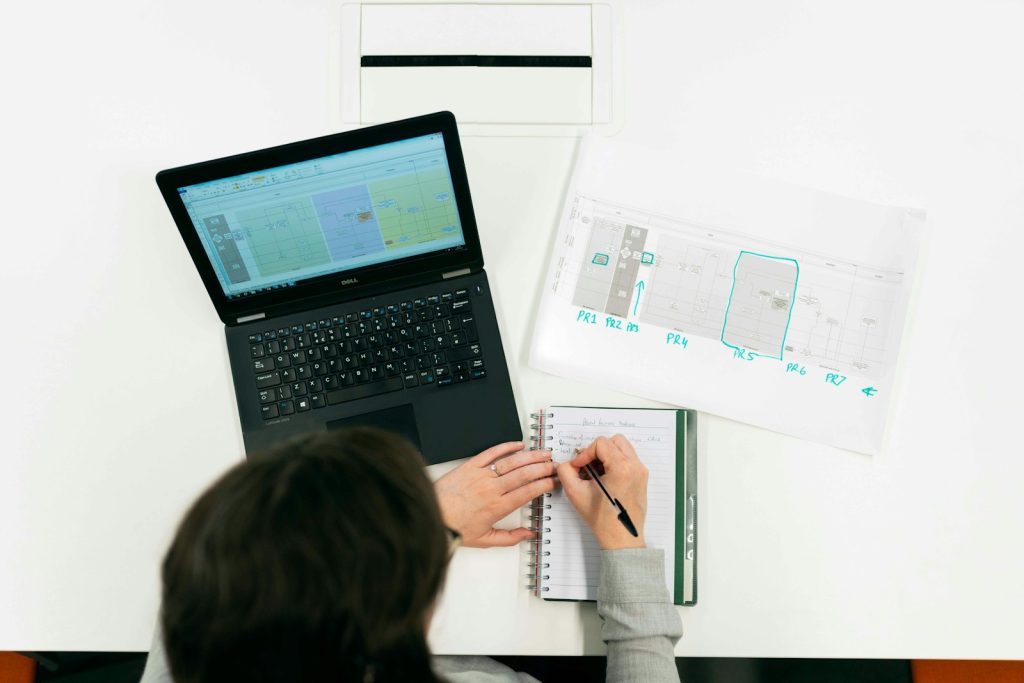
Irish businesses operate in a landscape defined by rapid change. Consumer expectations, regulatory requirements, and global market dynamics are shifting faster than ever. But legacy ERP systems often lack the flexibility to respond.
These systems were designed in a different era, built around rigid workflows and monolithic architectures. In a time when agility is paramount, they create bottlenecks instead of streamlining operations. Whether it’s slow financial reporting, clunky inventory management, or outdated CRM modules, the cracks are showing.
Operational Inefficiencies and Rising Costs
Legacy ERP systems are not just slow they’re expensive. Irish companies are spending increasing amounts on IT support and manual workarounds just to keep these ageing systems functioning. What used to be a centralised source of truth has become a siloed, disconnected infrastructure that demands constant maintenance.
Worse, these inefficiencies compound over time. Manual data entry, delayed reporting, and limited automation reduce workforce productivity. Errors increase. Opportunities are missed. The cost isn’t just financial; it’s strategic. Businesses lose time they could spend innovating.
Integration Challenges and Missed Opportunities
Modern businesses rely on integrated systems whether that’s syncing with CRM platforms, financial analytics, or third-party logistics tools. Legacy ERPs, with their closed architectures, are notoriously difficult to integrate.
For Irish businesses aiming to scale or expand internationally, this becomes a major roadblock. Integrations that should take days often stretch into months. And with limited compatibility with modern APIs and cloud infrastructure, legacy systems limit the reach and responsiveness of an organisation.
Security and Compliance Risks

In today’s climate, data security and regulatory compliance are non-negotiables. GDPR is the law of the land, and clients expect robust protections. But legacy ERP systems often lack updated security frameworks, exposing Irish firms to unnecessary risks.
Many older systems were never designed to handle cloud-based data, real-time analytics, or user authentication protocols common today. As cyber threats evolve, these platforms become increasingly vulnerable, putting critical data and reputations on the line.
Why Custom ERP Development Is the Way Forward
To thrive in today’s business environment, Irish companies need ERP systems that are built around their unique workflows not the other way around. That’s where custom ERP development comes in.
At Dev Centre House Ireland, we specialise in creating bespoke ERP platforms tailored to the needs of modern businesses. Instead of force-fitting your operations into an outdated mold, custom ERP solutions are designed to scale with your company, integrate with existing tools, and deliver the real-time data insights needed for strategic decision-making.
Case Insight: Turning a Bottleneck into a Growth Engine
One of our Irish manufacturing clients came to us with a legacy ERP system that had become more of a burden than a benefit. Inventory updates were delayed, order fulfilment was inconsistent, and cross-department communication was disjointed. They were losing both time and trust.
We built a custom ERP solution that unified their operations across finance, procurement, and logistics. The platform provided real-time visibility, enabled smart automation, and slashed operational delays. Within three months, order accuracy improved by 40%, and the finance team reduced reporting cycles by 60%.
Conclusion: The Time to Act Is Now
How legacy ERP systems are failing Irish businesses is no longer a theoretical question it’s a pressing reality. From rising costs and slow performance to integration headaches and compliance concerns, these systems are holding companies back.
Modern challenges require modern solutions. With a tailored ERP system built by a trusted partner like Dev Centre House Ireland, Irish businesses can finally break free from outdated tech and move forward with speed, security, and confidence.
The future of business in Ireland demands more than just adaptation it demands transformation. And it starts with smarter, faster, more agile ERP systems.
FAQ
Question: Why are legacy ERP systems failing Irish businesses?
Answer: Legacy ERP systems often lack flexibility, scalability, and integration capabilities, causing inefficiencies and hampering growth. Dev Centre House Ireland helps businesses modernise with tailored solutions.
Question: What challenges do companies face using outdated ERP software?
Answer: Challenges include slow processes, data silos, poor user experience, and difficulty adapting to new business needs. Dev Centre House Ireland offers custom ERP upgrades to overcome these hurdles.
Question: How can modern ERP solutions improve business operations?
Answer: Modern ERP systems offer seamless integration, real-time analytics, and cloud capabilities that boost productivity. Dev Centre House Ireland designs ERP platforms aligned with Irish business goals.
Question: Is it costly to replace legacy ERP systems?
Answer: While upfront costs exist, the long-term savings from increased efficiency and scalability make modern ERP a smart investment. Dev Centre House Ireland provides cost-effective modernisation strategies.
Question: Can legacy ERPs handle digital transformation demands?
Answer: No, legacy ERPs struggle with digital agility. Dev Centre House Ireland supports businesses transitioning to agile, cloud-native ERP solutions for digital readiness.
Question: How does Dev Centre House Ireland support ERP integration?
Answer: We build custom integrations that connect ERP with CRM, e-commerce, and other systems, ensuring smooth data flow and unified workflows.
Question: Are legacy ERP systems a security risk?
Answer: Yes, outdated ERP systems can have vulnerabilities. Dev Centre House Ireland implements secure, compliant ERP architectures tailored to Irish regulations.
Question: How long does it take to modernise an ERP system?
Answer: Timelines vary, but Dev Centre House Ireland delivers phased, agile ERP modernisation typically within 3 to 6 months, minimising business disruption.
Question: Can ERP modernisation support remote workforces?
Answer: Absolutely. Modern cloud ERP systems support remote access and collaboration, and Dev Centre House Ireland ensures your ERP supports hybrid working models.
Question: Where can Irish businesses learn more about ERP modernisation?
Answer: Visit https://www.devcentrehouse.eu/en to discover how Dev Centre House Ireland can transform your ERP systems for future growth.