
JavaScript remains the backbone of modern web development, empowering developers to build interactive and dynamic user interfaces. As the demand for seamless user experiences grows, front-end frameworks have become essential tools in creating scalable and efficient applications. These JavaScript-powered front-end frameworks provide developers with the flexibility to design intuitive and high-performance websites and applications. In […]
JavaScript remains the backbone of modern web development, empowering developers to build interactive and dynamic user interfaces. As the demand for seamless user experiences grows, front-end frameworks have become essential tools in creating scalable and efficient applications. These JavaScript-powered front-end frameworks provide developers with the flexibility to design intuitive and high-performance websites and applications.
In this article, we explore the top front-end frameworks powered by JavaScript, highlighting their key features, advantages, and use cases.
1. React.js – The Leading Component-Based Framework

React.js, developed and maintained by Facebook (now Meta), is one of the most widely adopted JavaScript front-end frameworks. Known for its component-based architecture, React enables developers to create reusable UI elements, making development faster and more efficient.
Key Features:
- Virtual DOM: Improves rendering performance by updating only the changed elements.
- Component-Based Architecture: Encourages reusability and scalability.
- Strong Community Support: Extensive documentation and a vast ecosystem of libraries.
Use Cases:
- Single-page applications (SPAs)
- Interactive user interfaces for web and mobile apps (React Native)
- Large-scale applications requiring high performance
2. Angular – Google’s Robust Front-End Framework

Angular, developed by Google, is a full-fledged front-end framework that provides everything developers need to build complex web applications. Unlike React, which is a library, Angular is a complete framework offering built-in solutions for state management, dependency injection, and routing.
Key Features:
- Two-Way Data Binding: Automatically updates the view whenever the model changes.
- Dependency Injection: Enhances modularity and maintainability.
- TypeScript Support: Ensures better code structure and error handling.
Use Cases:
- Enterprise-level applications
- Progressive web applications (PWAs)
- Large-scale dynamic web applications
3. Vue.js – The Progressive Framework
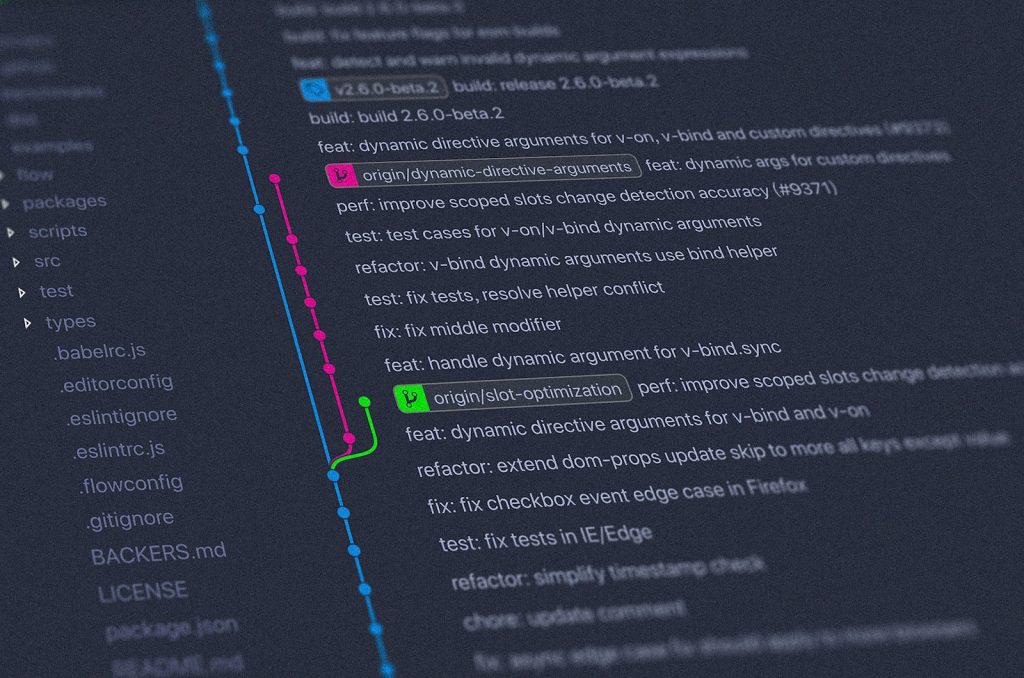
Vue.js is known for its simplicity and flexibility, making it a favourite among developers who seek a lightweight yet powerful JavaScript front-end framework. Vue is incrementally adoptable, allowing developers to integrate it into existing projects without a complete overhaul.
Key Features:
- Reactive Data Binding: Ensures real-time UI updates.
- Lightweight and Fast: Minimal footprint with excellent performance.
- Simple Learning Curve: Easier to grasp compared to Angular and React.
Use Cases:
- Small to medium-sized applications
- Interactive web interfaces
- Prototypes and MVPs
4. Svelte – The Compiler-Based Framework

Svelte is a relatively new addition to the JavaScript front-end framework landscape but has gained significant traction due to its innovative approach. Unlike traditional frameworks, Svelte shifts much of the work to compile time, resulting in highly optimised and efficient code.
Key Features:
- No Virtual DOM: Directly compiles components into highly optimised JavaScript.
- Smaller Bundle Size: Improves load time and performance.
- Reactive and Declarative: Simplifies state management without additional libraries.
Use Cases:
- High-performance applications
- Lightweight web projects
- Static site generation (SSG)
5. Next.js – The Go-To Framework for Server-Side Rendering
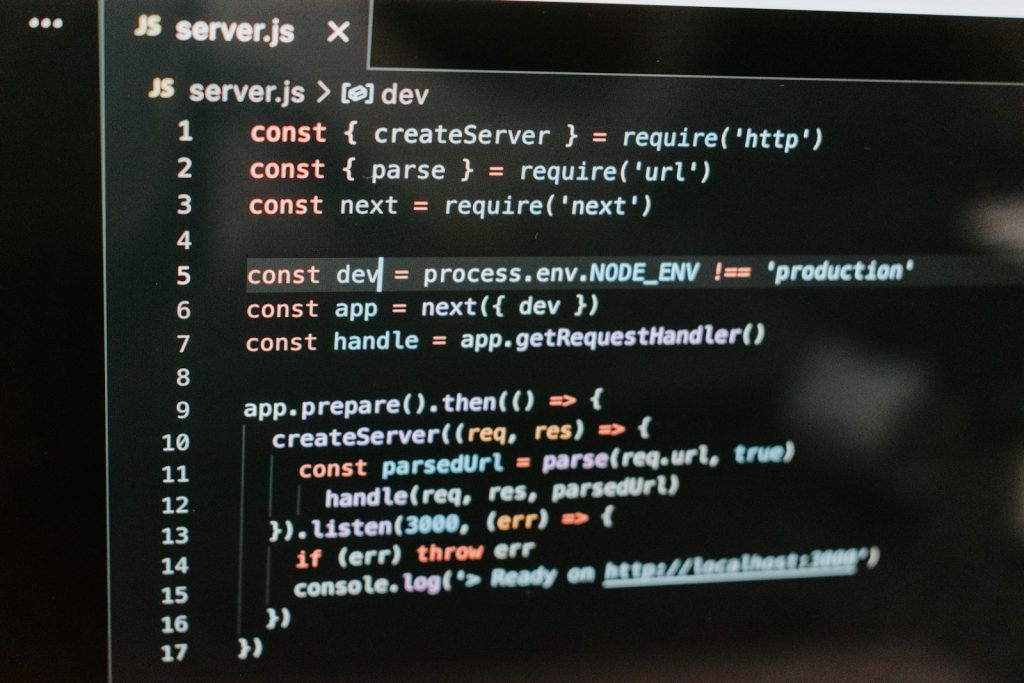
Next.js, built on top of React, extends its capabilities by introducing server-side rendering (SSR), static site generation (SSG), and API routes. Developed by Vercel, it is one of the most popular choices for performance-oriented web applications.
Key Features:
- SSR and SSG Support: Enhances SEO and load speeds.
- Built-in API Routes: Allows full-stack development using JavaScript.
- Optimised Performance: Automatically optimises images and assets.
Use Cases:
- SEO-friendly websites
- E-commerce platforms
- Web applications requiring dynamic data fetching
6. Nuxt.js – The Vue-Powered SSR Framework

Nuxt.js is the Vue.js counterpart to Next.js, offering seamless server-side rendering and improved performance for Vue applications. It simplifies Vue application structure while improving SEO and page load times.
Key Features:
- Automatic Code Splitting: Enhances performance.
- SSR and Static Site Generation: Improves SEO.
- Modular Architecture: Allows easy integration with third-party plugins.
Use Cases:
- Static sites
- Blogs and content-heavy websites
- Vue.js projects requiring enhanced SEO
Why JavaScript Front-End Frameworks Are Essential
JavaScript-powered front-end frameworks streamline development by providing structured approaches to UI creation. Here’s why they are crucial in modern web development:
- Enhanced Performance: Features like virtual DOM, code splitting, and SSR optimise web applications.
- Scalability: Frameworks like Angular and React support large-scale applications with efficient state management.
- Improved Developer Experience: Components, modular structures, and built-in solutions make development faster and more efficient.
- Cross-Platform Compatibility: Many frameworks support web, mobile, and desktop applications.
How Dev Centre House Ireland Can Help
For businesses and developers looking to leverage top JavaScript front-end frameworks, Dev Centre House Ireland offers expertise in building high-performance web applications. Their experienced team specialises in React.js, Angular, Vue.js, and more, ensuring cutting-edge solutions tailored to your needs.
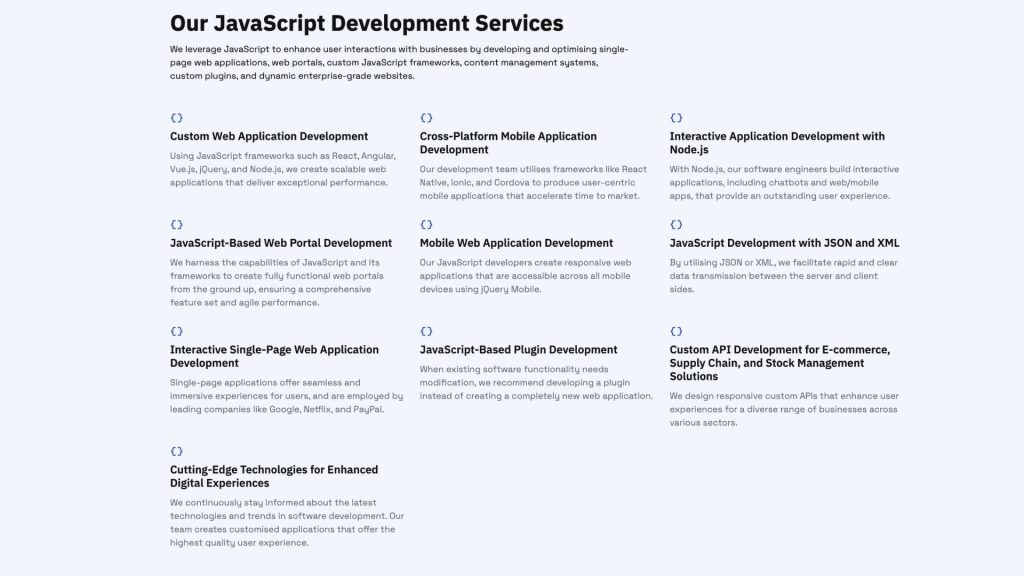
Choosing the right JavaScript front-end framework depends on your project’s requirements. Whether it’s React.js for component reusability, Angular for enterprise-level applications, or Svelte for high performance, each framework brings unique advantages to modern web development.
By partnering with Dev Centre House Ireland, you can ensure that your application is built with the best front-end technologies, offering seamless user experiences and optimal performance.
Looking to develop a cutting-edge JavaScript-powered web application?