
Angular is a powerful framework for building dynamic web applications. One of its core features is change detection, a mechanism that keeps your view in sync with your data model. However, when building large-scale applications, change detection can become a performance bottleneck if not properly optimized. This blog will explain how Angular’s change detection works and […]
Angular is a powerful framework for building dynamic web applications. One of its core features is change detection, a mechanism that keeps your view in sync with your data model. However, when building large-scale applications, change detection can become a performance bottleneck if not properly optimized. This blog will explain how Angular’s change detection works and how you can optimize it for better performance.
What is Angular Change Detection?
Angular’s change detection is the process of updating the view whenever the application state changes. It ensures that the view reflects the current state of the application by checking for changes in the component’s data.
Angular uses a component tree to represent the application’s view hierarchy. When data changes, Angular checks which components are affected and updates them accordingly.
How Angular Change Detection Works
In Angular, the change detection mechanism is based on a digest cycle. Here’s how it works:
- Component Initialization: When a component is created, Angular automatically runs change detection to check if there are any changes in its data model.
- Change Detection Cycle: Every time an event occurs (like user input, HTTP request, etc.), Angular runs the change detection process again to ensure the view is updated with the latest data.
- Change Detection Strategy: Angular uses two change detection strategies:
- Default Strategy: The default change detection strategy checks all components in the component tree for changes.
- OnPush Strategy: The OnPush strategy checks only when input properties of a component change, significantly reducing the number of checks.
The Default Change Detection Strategy
The default change detection strategy checks the entire component tree every time an event triggers change detection. This can be inefficient for large applications with many components, leading to unnecessary updates.
Angular compares the current values with the previous ones and updates the view if there are any changes. This process is called dirty checking.
The OnPush Change Detection Strategy
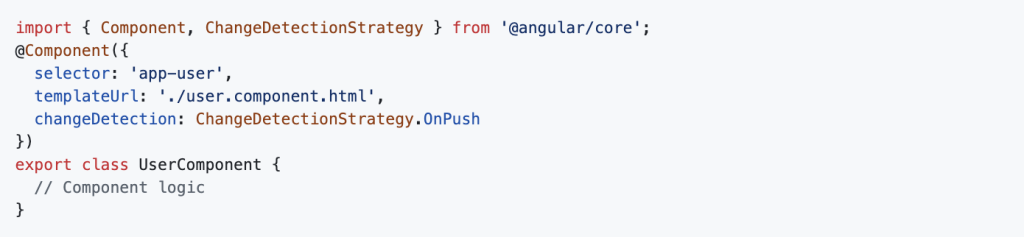
The OnPush change detection strategy is a performance optimization technique. When you use OnPush, Angular will only check a component for changes when one of the following occurs:
- The component’s input properties change.
- An event is fired from the component (such as a click event).
- A
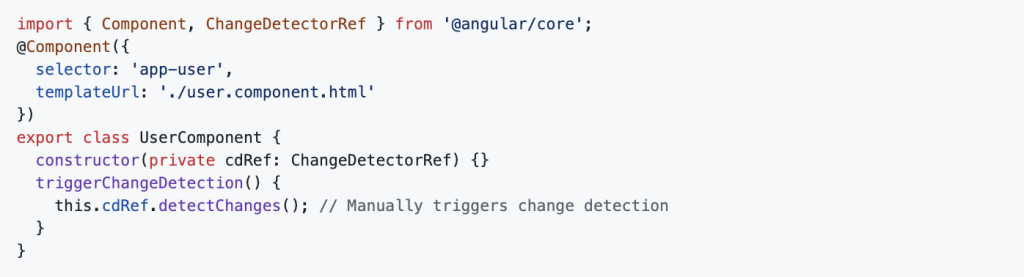
ChangeDetectorRefis manually triggered.
OnPush strategy reduces the frequency of change detection checks, improving the performance of your application, especially in large-scale applications.
Optimizing Change Detection in Angular
Here are some strategies to optimize Angular’s change detection mechanism and improve the performance of your application:
1. Use OnPush Change Detection Strategy
The OnPush change detection strategy is the most effective way to optimize change detection in Angular. It reduces the number of components Angular checks during the change detection cycle, which improves performance significantly.
To enable the OnPush strategy, set the changeDetection property to ChangeDetectionStrategy.OnPush in your component metadata:
2. Avoid Logic in Templates
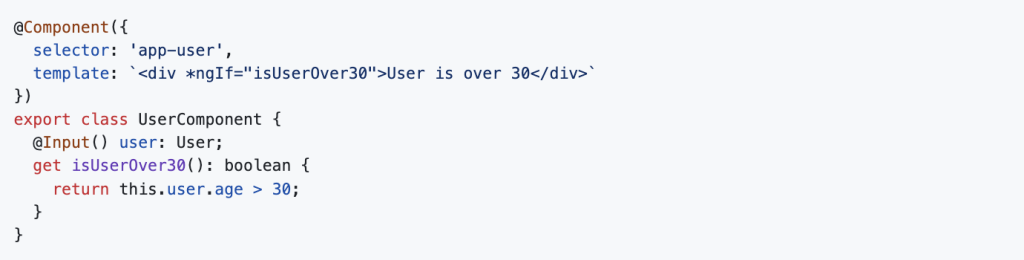
Putting complex logic inside the template can cause unnecessary change detection checks. Instead, move logic to the component class to keep the template clean and improve performance.
Bad Example:

Good Example:
3. Manually Trigger Change Detection
Sometimes you might need to manually trigger change detection, especially when dealing with asynchronous operations. You can achieve this by using Angular’s ChangeDetectorRef.
4. Use trackBy with ngFor Loops
When rendering large lists of data with *ngFor, Angular will check the entire list whenever the data changes. To optimize this, use the trackBy function to inform Angular how to track items in the list and avoid re-rendering unchanged items.
Example:


5. Use Immutable Data Structures
Using immutable data structures is another way to optimize change detection. Since Angular relies on dirty checking to detect changes, if the reference to a data structure changes, Angular will automatically detect the change. This allows Angular to detect changes more efficiently.
For example, use immutable arrays or immutable objects:

6. Limit the Use of ngOnChanges
ngOnChanges is triggered every time an input property changes. While useful in some scenarios, using it excessively can lead to unnecessary change detection cycles. Be mindful of its usage and try to optimize components to avoid frequent triggering of this lifecycle hook.
7. Optimize Heavy Computations
Heavy computations in your components or services can lead to slow updates during the change detection cycle. To prevent performance issues, offload heavy computations to Web Workers or use RxJS operators like debounceTime, switchMap, and distinctUntilChanged to throttle expensive operations.
Conclusion
Optimizing change detection in Angular is key to building performant, scalable applications. By using strategies like OnPush change detection, trackBy, and immutable data structures, you can reduce unnecessary checks and improve the overall performance of your application.
Remember that efficient change detection is critical as your application grows, and following these optimization techniques will help ensure that your Angular app remains fast and responsive.
For more insights into Angular , visit Dev Centre House Ireland.