

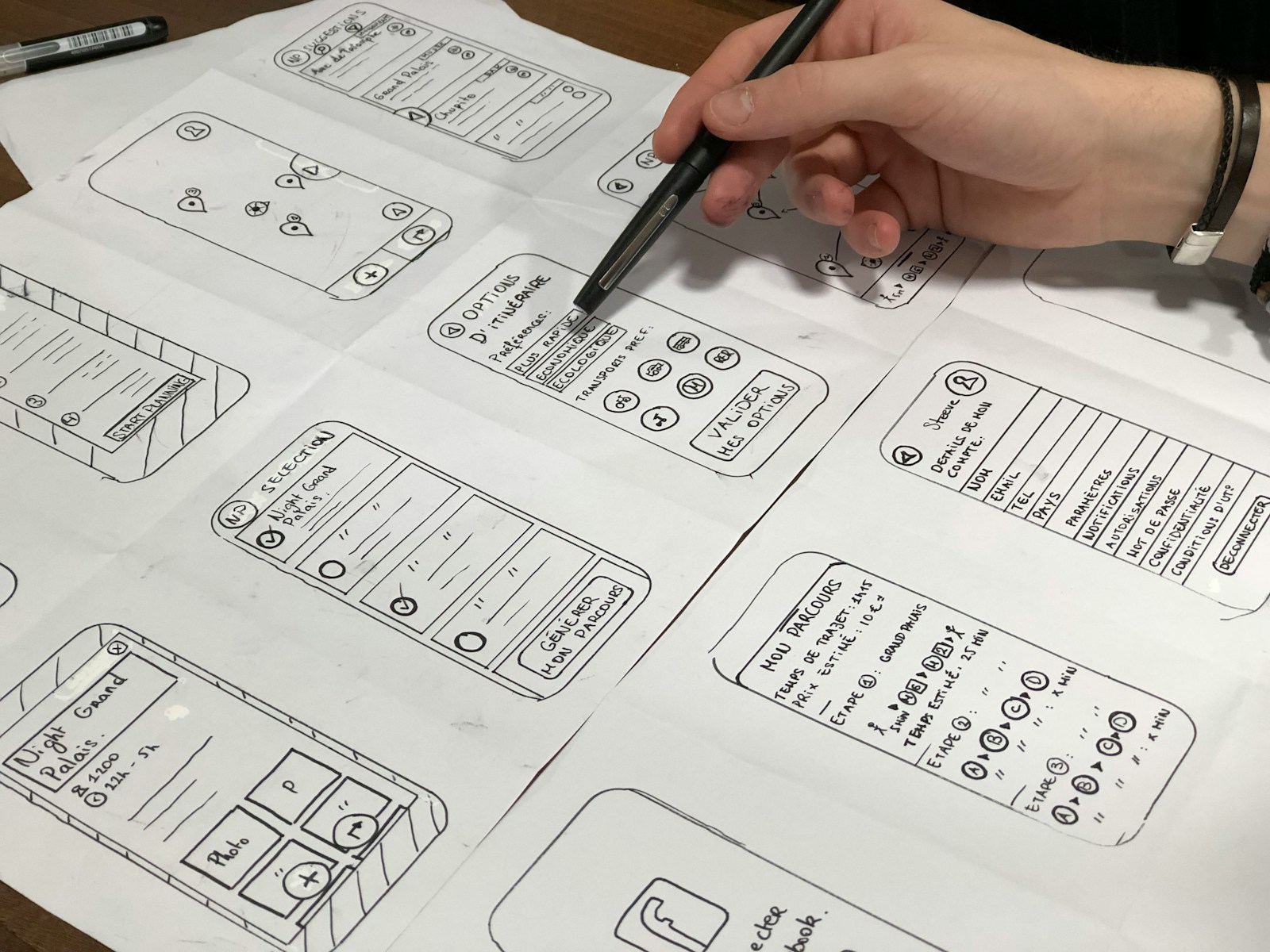
In an era where mobile applications dominate user interactions, the significance of UX optimisation cannot be overstated. Norwegian businesses are increasingly recognising the need to enhance user experiences, ensuring their apps resonate with local users. With the rise in mobile usage, especially in urban centres, the opportunity for improved engagement through thoughtful design is ripe.
Norway’s unique landscape presents both challenges and advantages for mobile app developers. As smartphone penetration continues to grow, businesses must adapt their strategies to meet the evolving expectations of users. This blog will delve into the key aspects of UX optimisation specifically tailored for the Norwegian market.
Overview of UX Optimisation in Mobile Applications
UX optimisation plays a crucial role in the mobile app landscape, shaping how users interact with applications. The growing reliance on smartphones in Norway signifies a shift in user behaviour, making it essential for businesses to invest in quality user experiences. By prioritising UX, companies can foster loyalty and drive engagement.
As smartphone usage surges, Norwegian businesses must understand the relevance of UX optimisation. It is essential not only for attracting new users but also for retaining them in a competitive market. A strong focus on user experience can lead to better app performance and customer satisfaction.
The Importance of Mobile-First Design in Norway
Mobile-first design is a strategy that prioritises the mobile user experience, which can significantly enhance engagement metrics. This approach is particularly relevant in Norway, where mobile usage is prevalent, especially among younger demographics. Businesses that adopt this design philosophy often see improved user interactions and satisfaction.
In urban areas like Oslo and Bergen, the number of mobile users is on the rise, making mobile-first design even more critical. A successful example of this can be seen in a popular Norwegian app that has embraced mobile-first principles, resulting in a seamless user experience that resonates with its audience.
Simplicity and Usability in Norwegian Mobile Apps
Simplicity in design is a fundamental aspect that enhances usability across diverse user demographics in Norway. By focusing on intuitive interfaces, app developers can cater to the varying tech literacy levels found in both urban and rural settings.
- Varied tech literacy among users in rural versus urban settings.
- The need for intuitive navigation for apps catering to tourists in cities like Stavanger.
- Addressing language barriers in a multilingual society.
Performance and Retention Rates: A Norwegian Perspective
App performance has a direct impact on user retention rates. In Norway, where users expect fast and reliable applications, slow performance can lead to dissatisfaction and abandonment. Understanding the local mobile network infrastructure is crucial for developers aiming to optimise app speed and reliability.
Local apps that focus on performance optimisation often see a positive effect on user retention. By ensuring their applications run smoothly, developers can create a more engaging experience that keeps users coming back.
The Role of Local Tech Ecosystems in UX Optimisation
The technology landscape in cities like Oslo and Trondheim is thriving, providing a fertile ground for innovation in UX optimisation. Local tech ecosystems foster collaboration and creativity, enabling businesses to leverage shared knowledge and resources.
Government incentives aimed at promoting tech innovations further enhance the opportunities for app developers. By tapping into the local talent pool, companies can significantly improve their UX design quality, ensuring their products meet the needs of Norwegian users.
Choosing the Right Software Development Partner
Selecting a capable software development partner is essential for effective UX optimisation. Norwegian businesses have specific needs regarding UX and tech solutions, making it crucial to find a partner who understands the local landscape.
Dev Centre House is well-positioned to support these businesses, offering insights into local challenges while providing tailored solutions that enhance user experiences. Their expertise in the Norwegian market can help companies navigate the complexities of app development.
How Dev Centre House Can Help
Dev Centre House offers a range of services specifically tailored to the Norwegian market, focusing on UX optimisation. Their approach is centred on understanding local user behaviours and preferences, ensuring that apps resonate with the target audience.
By highlighting successful partnerships and collaborations, Dev Centre House demonstrates its commitment to excellence in UX optimisation. Businesses can explore the potential for collaboration to leverage local opportunities and enhance their app offerings.
Conclusion
UX optimisation is vital for the success of Norwegian mobile applications. By addressing local challenges and selecting the right partner, such as Dev Centre House, businesses can significantly enhance their app development process. A strong focus on user experience not only attracts new users but also fosters loyalty among existing ones.
FAQs
What are the best practices for UX optimisation in Norwegian mobile applications?
Best practices for UX optimisation in Norwegian mobile applications include prioritising mobile-first design, ensuring simplicity in navigation, and considering local user behaviours. Developers should focus on creating intuitive interfaces that cater to diverse demographics while addressing language and cultural nuances specific to Norway.
How does mobile-first design specifically benefit users in Norway?
Mobile-first design benefits Norwegian users by providing a seamless experience on their smartphones. As mobile usage increases, this approach ensures that apps are optimised for smaller screens, enhancing usability and engagement. It allows businesses to meet the expectations of users who rely heavily on mobile devices for daily tasks.
What local challenges should developers consider when designing for the Norwegian market?
Developers must consider varied tech literacy levels, language barriers, and regional differences in user behaviour when designing for the Norwegian market. Understanding these challenges is crucial for creating apps that resonate with users across urban and rural areas, ensuring accessibility and usability for all.
How can performance optimisation affect user retention in mobile apps?
Performance optimisation directly impacts user retention in mobile apps by ensuring fast load times and smooth interactions. In Norway, where users expect high performance, slow or unreliable apps can lead to frustration and abandonment. Optimising performance helps retain users and encourages repeat engagement.
Why is choosing a local software development partner important for Norwegian businesses?
Choosing a local software development partner is crucial for Norwegian businesses as they understand the unique market dynamics and user preferences. A partner like Dev Centre House can offer tailored solutions that reflect local challenges and opportunities, enhancing the overall effectiveness of app development.