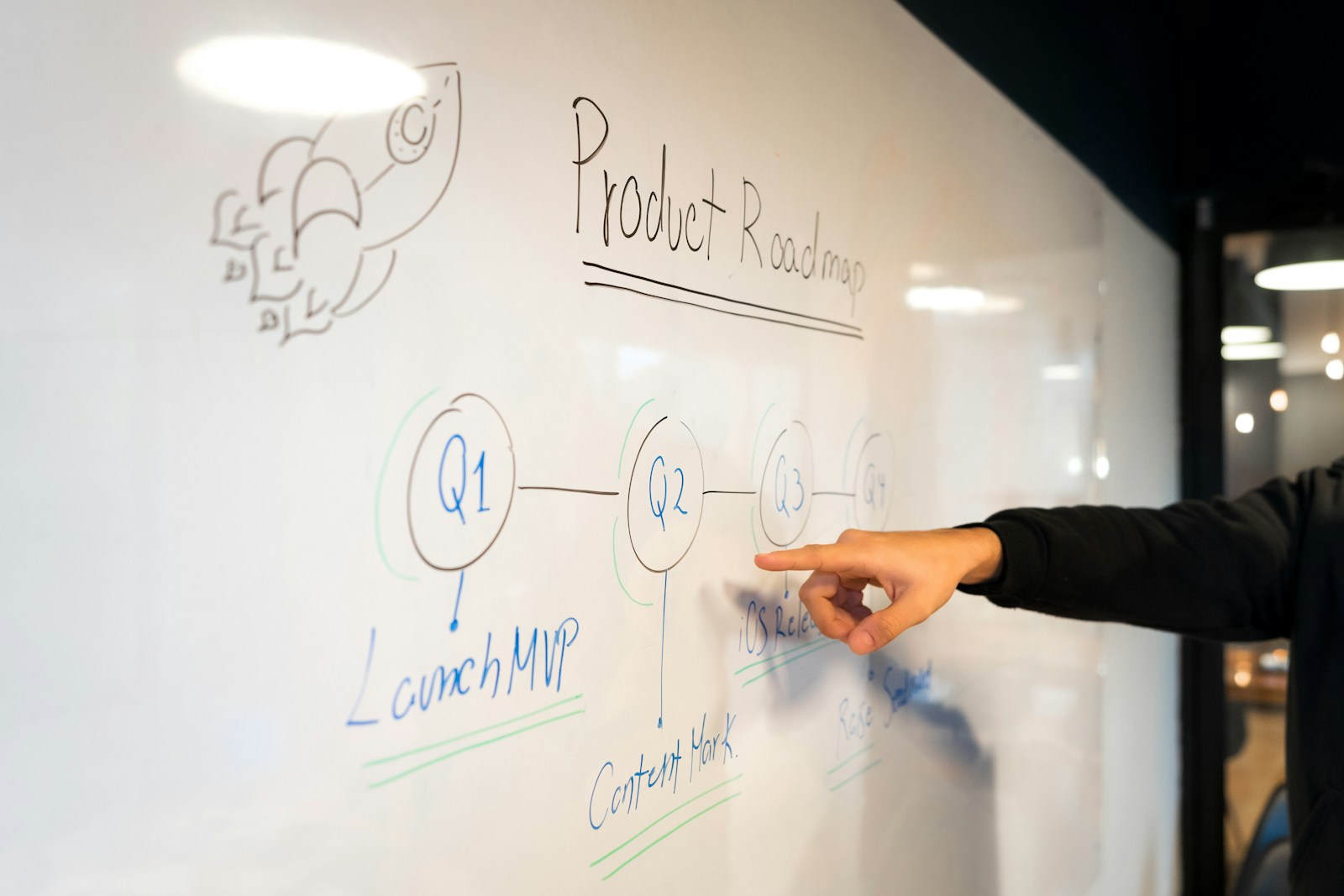
The first product launch is often seen as a major milestone for startups in Oslo, yet it rarely marks the end of development. Instead, it tends to expose realities that were not fully visible during the building phase, especially when real users begin interacting with the product. It is tempting to believe that a well-built […]
The first product launch is often seen as a major milestone for startups in Oslo, yet it rarely marks the end of development. Instead, it tends to expose realities that were not fully visible during the building phase, especially when real users begin interacting with the product.
It is tempting to believe that a well-built MVP will perform exactly as expected, yet early usage often challenges assumptions. For startups in Oslo, the period after launch is less about validation and more about learning how the product behaves in a live environment.
Overview Of Post-Launch Realities In Oslo’s Startup Ecosystem
In Oslo’s startup scene, launching a product is only the beginning of understanding its real value. Early-stage companies often move from controlled development environments into unpredictable user behaviour, where expectations, usage patterns, and feedback vary significantly.
This transition shifts the focus from building to observing and adapting. What seemed clear during development may become uncertain once the product is exposed to real-world conditions. Startups that recognise this shift early tend to adapt faster, while those that treat launch as a final step may struggle to respond effectively.
Real Users Reveal Flawed Assumptions Quickly
During development, many decisions are based on internal reasoning or limited feedback. Once a product is launched in Oslo’s competitive environment, real users interact with it in ways that often differ from expectations.
Features that seemed essential may go unused, while overlooked aspects of the product may become more important than anticipated. This gap between expectation and reality is one of the most valuable insights a startup can gain.
It is tempting to defend original ideas, yet the most effective teams treat early feedback as a guide for refinement rather than a challenge to their initial vision.
Early Traction Exposes Product Gaps
Initial user engagement often highlights areas where the product does not fully meet user needs. In Oslo, where digital standards are high, even early adopters expect clarity, usability, and reliability.
These gaps may appear in the form of missing features, unclear user flows, or limitations in performance. While early traction is a positive signal, it often brings attention to what is not yet working as intended. Rather than viewing these gaps as setbacks, startups can use them to prioritise improvements and better align the product with real demand.
Iteration Matters More Than Launch Polish
Many startups invest significant time refining the product before launch, aiming for a polished experience. In Oslo’s fast-moving startup environment, however, the ability to iterate quickly after launch often proves more valuable than initial perfection.
It is tempting to delay release until everything feels complete, yet this can slow down learning. Iteration allows startups to respond to feedback, test new ideas, and evolve the product based on actual usage.
Over time, this approach leads to a more refined and relevant product than one built solely on pre-launch assumptions.
The Shift From Building To Learning In Oslo Startups
After launch, the role of the team changes. Instead of focusing purely on development, startups must begin analysing behaviour, interpreting feedback, and deciding what to improve next.
This shift requires a different mindset. Progress is no longer measured by features delivered but by insights gained and applied. In Oslo, where competition is strong, the ability to learn quickly can be a key advantage.
Startups that embrace this phase tend to make more informed decisions and avoid investing in features that do not contribute to product growth.
The Role Of MVP Consultancy In Post-Launch Growth
MVP consultancy helps startups structure the post-launch phase, ensuring that insights are translated into meaningful improvements. Rather than reacting randomly to feedback, startups can prioritise changes based on clear patterns and goals.
Working with an experienced partner such as Dev Centre House Ireland allows teams to combine technical execution with strategic thinking. This ensures that iteration is focused and aligned with long-term product direction.
Key areas where consultancy adds value include:
- Interpreting user behaviour to identify meaningful improvement areas
- Structuring iteration cycles to maintain consistent progress
Choosing The Right Development Partner After Launch
The post-launch phase often requires a different type of support than initial development. Startups in Oslo must consider whether their development partner can adapt to a more iterative and feedback-driven process.
A strong partner supports ongoing refinement rather than focusing only on initial delivery. This includes flexibility in development, responsiveness to change, and the ability to prioritise effectively.
Working with a partner such as Dev Centre House Ireland allows startups to move through the post-launch phase with greater clarity, ensuring that improvements are aligned with both user needs and business goals.
Conclusion
The first product launch reveals more than it confirms. For Norwegian startups in Oslo, it marks the beginning of a learning process where assumptions are tested, gaps are identified, and priorities are reshaped.
By focusing on real user behaviour, addressing emerging gaps, and embracing iteration, startups can evolve their products more effectively. Partnering with an experienced provider such as Dev Centre House Ireland helps ensure that this phase is approached with structure, allowing startups to turn early insights into long-term progress.
FAQs
What Do Startups In Oslo Typically Learn After Launching Their First Product?
Startups often discover that user behaviour differs from their initial expectations. In Oslo, real users highlight usability issues, feature gaps, and unexpected usage patterns. These insights help teams understand what truly matters and guide future improvements.
Why Are User Assumptions Often Incorrect In MVP Development?
Assumptions are usually based on limited data or internal perspectives. Once a product is launched, real users interact with it differently, revealing gaps in understanding. In Norway, this feedback is essential for refining the product and aligning it with actual needs.
How Should Startups Handle Product Gaps After Early Traction?
Startups should treat gaps as opportunities for improvement rather than failures. In Oslo, identifying and prioritising these gaps allows teams to focus on what delivers the most value, ensuring that development efforts remain relevant and effective.
Why Is Iteration More Important Than Launch Perfection?
Iteration allows startups to adapt based on real feedback, while perfection before launch often delays learning. In Oslo’s fast-paced environment, continuous improvement helps teams refine their product more effectively than trying to get everything right initially.
How Can Dev Centre House Support Startups After Product Launch?
Dev Centre House Ireland supports startups by helping them structure post-launch development. By focusing on user insights and prioritised iteration, they ensure that improvements are aligned with both technical goals and market needs, supporting sustainable product growth.