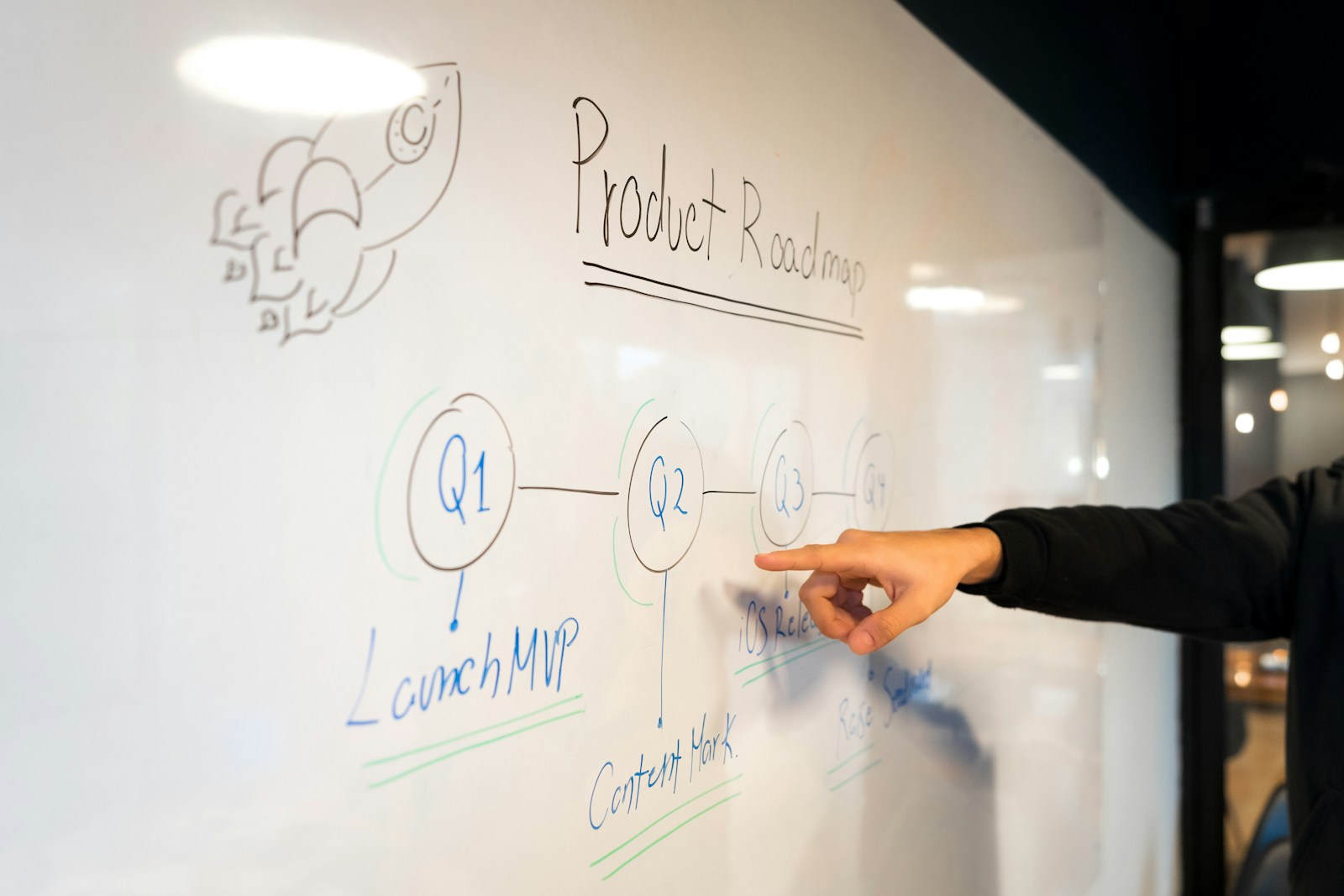
Launching a minimum viable product (MVP) is a critical step for startups and enterprises aiming to validate their business ideas efficiently. For non-technical founders in Norway, especially in dynamic hubs like Oslo, navigating the MVP development landscape can be complex. Understanding the right approach not only accelerates time to market but also optimises resource allocation […]
Launching a minimum viable product (MVP) is a critical step for startups and enterprises aiming to validate their business ideas efficiently. For non-technical founders in Norway, especially in dynamic hubs like Oslo, navigating the MVP development landscape can be complex. Understanding the right approach not only accelerates time to market but also optimises resource allocation and minimises risks associated with early-stage product launches.
This article explores three primary MVP development approaches tailored for non-technical founders in Norway. By examining local market conditions and technology trends, we provide insights into how founders can strategically engage with development teams, leverage local expertise, and successfully bring their ideas to life.
Overview of MVP Development in Norway
Norway’s tech ecosystem, centred around Oslo, is rapidly evolving, driven by innovation and a strong startup culture. MVP development services in the region are characterised by a focus on quality, user-centric design, and agile methodologies. The availability of skilled developers, coupled with an emphasis on sustainable and scalable solutions, makes Norway an attractive environment for product validation.
For non-technical founders, accessing MVP development services in Norway means partnering with teams that understand the local market nuances and regulatory landscape. This localisation ensures that MVPs are not only technologically sound but also compliant and aligned with Norwegian consumer expectations.
The Core Challenge
Non-technical founders often face significant barriers when initiating MVP development. The primary challenge lies in bridging the knowledge gap between technical execution and business vision. Without a technical background, founders may struggle to communicate their requirements effectively, assess the feasibility of product features, or manage the development process efficiently.
Moreover, the risk of misaligned expectations and project overruns is heightened without a clear development strategy. In Norway’s competitive startup scene, delays or suboptimal MVPs can mean lost opportunities and increased costs. Therefore, selecting an appropriate MVP development approach that accommodates non-technical expertise is crucial.
Collaborative Development with Local Oslo Teams
One effective approach for non-technical founders is to engage in collaborative development with local Oslo-based software teams. This model emphasises close communication and iterative feedback cycles, allowing founders to stay involved in decision-making despite lacking technical skills.
Oslo’s tech community offers numerous agencies and freelance developers skilled in agile methodologies and user-centred design. By working alongside these teams, non-technical founders can focus on articulating business goals, user needs, and market insights while relying on experts for technical execution. This approach reduces miscommunication and ensures the MVP evolves according to real-time feedback and market validation.
Utilising No-Code and Low-Code Platforms
No-code and low-code platforms represent an increasingly popular MVP development approach for founders without technical expertise. These platforms allow the creation of functional prototypes and even fully operational MVPs with minimal coding, leveraging drag-and-drop interfaces and pre-built components.
In Norway, the adoption of no-code tools aligns well with the fast-paced innovation environment. Founders can quickly build and test product concepts, iterate based on user feedback, and pivot without heavy upfront investment in custom development. While these platforms may have limitations in scalability and customisation, they provide an excellent foundation for validating ideas before committing to full-scale software development.
Partnering with Technical Co-Founders or Consultants
Another strategic approach is to partner with technical co-founders or hire experienced technical consultants who can guide the MVP development process. This option is particularly relevant in Norway’s collaborative startup ecosystem, where networks and incubators facilitate connections between business and technical talent.
Technical partners bring essential expertise in architecture, technology stack selection, and project management. For non-technical founders, this relationship alleviates the burden of technical decision-making and ensures the MVP is developed with scalability and maintainability in mind. Additionally, having a trusted technical advisor supports long-term product evolution beyond the MVP stage.
How Dev Centre House Supports CTOs and Tech Leaders in Norway
Dev Centre House specialises in delivering MVP development solutions tailored for non-technical founders and technology leaders in Norway, particularly in Oslo. Our approach combines local market knowledge with global technical expertise, enabling seamless collaboration and efficient product delivery.
We offer flexible engagement models, including dedicated development teams, consultancy services, and integration with no-code platforms, to suit diverse project needs. Our teams prioritise transparent communication, agile workflows, and thorough documentation to empower non-technical stakeholders throughout the development lifecycle. By partnering with Dev Centre House, CTOs and tech leaders gain a reliable ally in transforming ideas into validated MVPs that resonate with the Norwegian market.
Conclusion
For non-technical founders in Norway, selecting the right MVP development approach is a decisive factor in startup success. Collaborative development with local Oslo teams, leveraging no-code and low-code platforms, and partnering with technical co-founders or consultants each present viable pathways to overcoming technical barriers and accelerating product validation.
Understanding the specific advantages and limitations of each approach enables founders to make informed decisions that align with their business goals and market conditions. With the support of experienced partners like Dev Centre House, non-technical founders can confidently navigate MVP development, optimise resources, and position their ventures for growth within Norway’s vibrant technology landscape.
Frequently Asked Questions
What is an MVP and why is it important for startups in Norway?
An MVP, or minimum viable product, is a simplified version of a product that includes only the essential features necessary to validate a business idea. For startups in Norway, launching an MVP allows for early market testing, user feedback collection, and risk mitigation before investing in full-scale development.
How can non-technical founders effectively communicate their MVP requirements?
Non-technical founders can use visual tools such as wireframes, user stories, and flowcharts to convey their ideas. Engaging in regular meetings and feedback sessions with development teams also helps clarify requirements and ensures alignment throughout the project.
Are no-code platforms suitable for all types of MVPs?
No-code platforms are ideal for simple to moderately complex MVPs focused on validating core functionalities quickly. However, for highly customised or scalable applications, traditional development with technical expertise may be necessary.
What advantages do local Oslo development teams offer to founders?
Local teams provide cultural and market insights, easier communication due to time zone alignment, and the ability to meet face-to-face if needed. This proximity fosters trust and enhances collaboration, which is valuable for refining the MVP to meet Norwegian user expectations.
How does Dev Centre House assist non-technical founders during MVP development?
Dev Centre House offers end-to-end MVP development services, including project scoping, technical consultation, agile development, and ongoing support. We prioritise clear communication and transparency to ensure non-technical founders remain informed and confident throughout the development process.