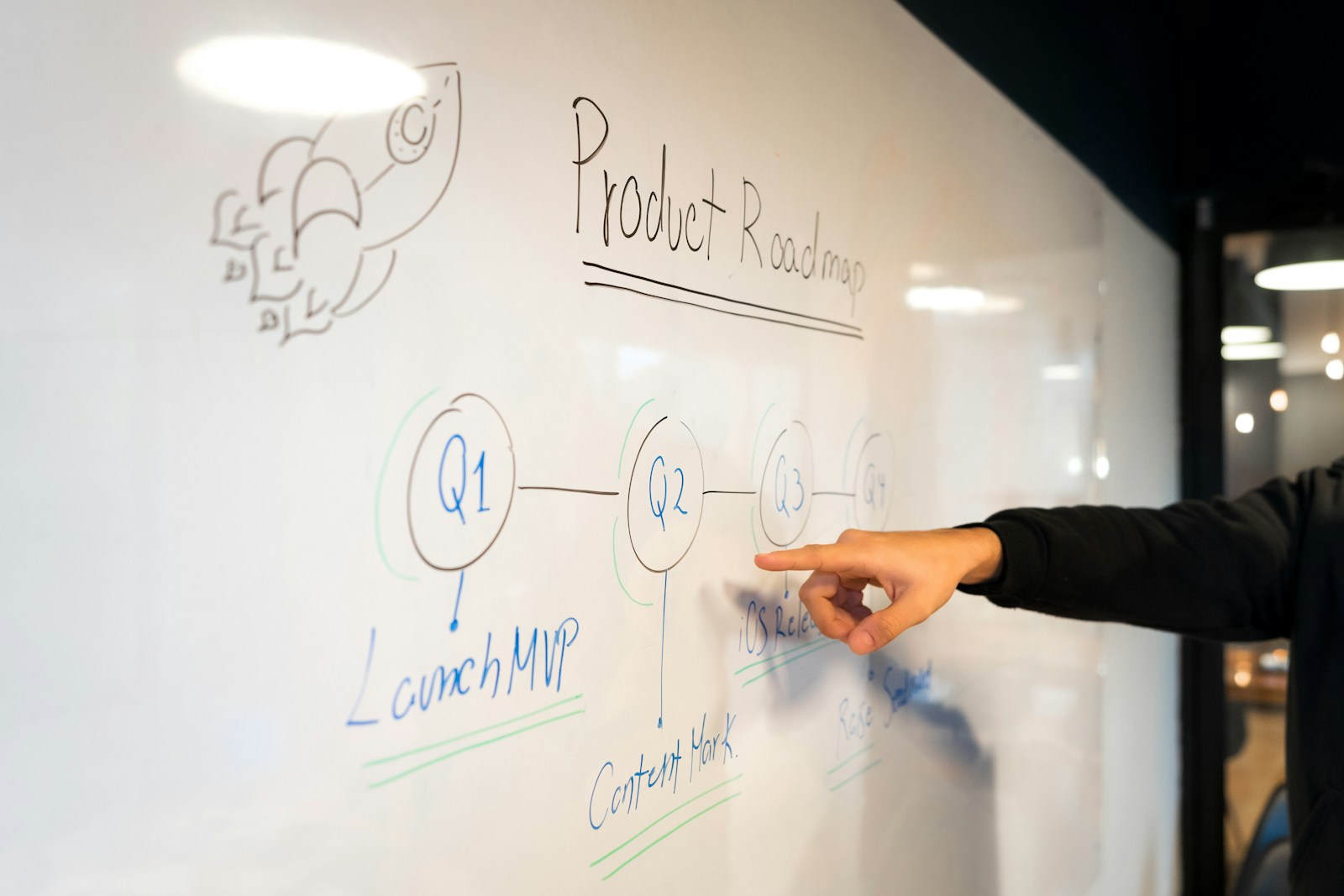
Launching a Minimum Viable Product (MVP) is a pivotal moment for any startup. Yet, for many Irish startups, particularly those in dynamic tech hubs like Cork, the journey does not end with the first release. Instead, it marks the beginning of a crucial phase where the MVP is meticulously reassessed and often significantly rethought. This […]
Launching a Minimum Viable Product (MVP) is a pivotal moment for any startup. Yet, for many Irish startups, particularly those in dynamic tech hubs like Cork, the journey does not end with the first release. Instead, it marks the beginning of a crucial phase where the MVP is meticulously reassessed and often significantly rethought. This is not a sign of failure but a strategic response to real-world insights that only emerge when a product meets its users.
Understanding why startups revisit their MVP after launch offers valuable lessons for CTOs, tech leaders, and enterprise innovators alike. This article explores five key reasons Irish startups rethink their MVP post-release, highlighting the importance of real user feedback, the pitfalls of overbuilt features, and how evolving priorities shape product development in a competitive market.
Overview of MVP Development in Ireland
The Irish startup ecosystem, with Cork as one of its vibrant centres, has witnessed rapid growth in technology ventures across sectors such as fintech, healthtech, and software solutions. MVP development here is a strategic approach adopted to validate ideas quickly and cost-effectively, enabling startups to test assumptions and engage early adopters.
In Ireland, MVPs are more than just prototypes; they are functional products designed to deliver core value while allowing room for adaptation. This iterative mindset aligns closely with the agile methodologies embraced by many startups and enterprises, fostering a culture of continuous improvement and responsiveness to market demands.
The Core Challenge
Despite careful planning, the initial MVP release often reveals unforeseen challenges. Startups frequently encounter a gap between the envisioned product and its actual performance in real-world conditions. This discrepancy can stem from incomplete understanding of user behaviour, unpredictable market needs, or technical constraints that were not apparent during development.
Moreover, early-stage startups face pressure to demonstrate traction and secure investment, which sometimes leads to premature scaling or feature overload. Balancing speed to market with product quality and relevance is a nuanced challenge that drives many to reconsider their MVP strategy shortly after launch.
Real Users Expose Product Gaps
One of the most compelling reasons Irish startups rethink their MVP after launch is the exposure of product gaps by actual users. While internal testing and assumptions provide a foundation, nothing compares to the insights gained from observing how real users interact with the product in their natural environment.
Users may highlight missing functionalities, confusing interfaces, or unexpected use cases that were not initially anticipated. These revelations are invaluable, as they guide startups to pivot or refine their MVP to better meet user needs and improve overall product-market fit.
Overbuilt Features Slow Iteration
Many startups fall into the trap of overbuilding their MVP, incorporating too many features in an attempt to impress stakeholders or pre-empt user demands. However, an MVP overloaded with features can hinder agility, making it difficult to implement quick changes based on feedback.
In Ireland’s fast-paced startup environment, speed and flexibility are critical. Startups that build lean MVPs can iterate rapidly, responding to user input without being bogged down by complex or unnecessary functionalities. Overbuilding not only delays enhancements but can also increase development costs and complicate the user experience.
Feedback Reshapes Priorities
Startups often enter the MVP phase with a set of hypotheses about what features or solutions will resonate best with their target audience. However, real-world feedback frequently challenges these assumptions, prompting a reassessment of priorities.
In Cork and beyond, successful startups embrace this feedback loop, using it to shift focus towards the most impactful features or pain points. This flexibility ensures that resources are allocated efficiently, and the product evolves in alignment with user needs, market trends, and business goals.
How Dev Centre House Supports Irish Startups and Tech Leaders
At Dev Centre House, we understand the unique challenges faced by CTOs, tech leaders, and startups in Ireland, especially in innovation hotspots like Cork. Our MVP development services are tailored to balance speed, quality, and adaptability, ensuring startups can launch confidently and iterate effectively.
Our team collaborates closely with clients to build lean, scalable MVPs designed to expose critical insights early on. We prioritise user-centric design and agile methodologies, enabling startups to respond swiftly to feedback and optimise their product roadmap. With a deep understanding of the Irish tech landscape, Dev Centre House is the trusted partner for startups aiming to transform early MVP learnings into lasting success.
Conclusion
Rethinking an MVP after its initial release is a strategic move embraced by many Irish startups, driven by the realities of user interaction, the need for agility, and evolving market demands. Real users highlight product gaps that internal teams may miss. Overbuilt features often slow down iteration, while genuine feedback reshapes development priorities to focus on what truly matters.
For CTOs and tech leaders navigating the MVP phase, recognising these factors is essential for delivering a product that not only meets but exceeds expectations. Partnering with experienced MVP developers like Dev Centre House can provide the expertise and support needed to turn early learnings into a successful, scalable product.
FAQs
Why do Irish startups often rethink their MVP after the first release?
Irish startups typically rethink their MVP post-launch because real user interactions reveal gaps and opportunities that were not apparent during development. This leads to adjustments that better align the product with market needs.
How can overbuilt features affect the MVP development process?
Overbuilt features can slow down iteration by making the product more complex and harder to modify. This reduces agility, increases costs, and may confuse users, ultimately hindering rapid improvements based on feedback.
What role does user feedback play in reshaping MVP priorities?
User feedback is crucial as it challenges initial assumptions and highlights the features or improvements that truly matter to the target audience, allowing startups to prioritise development efforts effectively.
Why is Cork a significant location for MVP development in Ireland?
Cork is a major tech hub in Ireland with a growing ecosystem of innovative startups and enterprises. Its vibrant community, access to talent, and supportive infrastructure make it an ideal location for MVP development and iterative product growth.
How does Dev Centre House assist startups in MVP development?
Dev Centre House offers tailored MVP development services that focus on lean, user-centric design and agile methodologies. We help startups build scalable MVPs that facilitate rapid learning and iteration, ensuring alignment with market demands and business objectives.