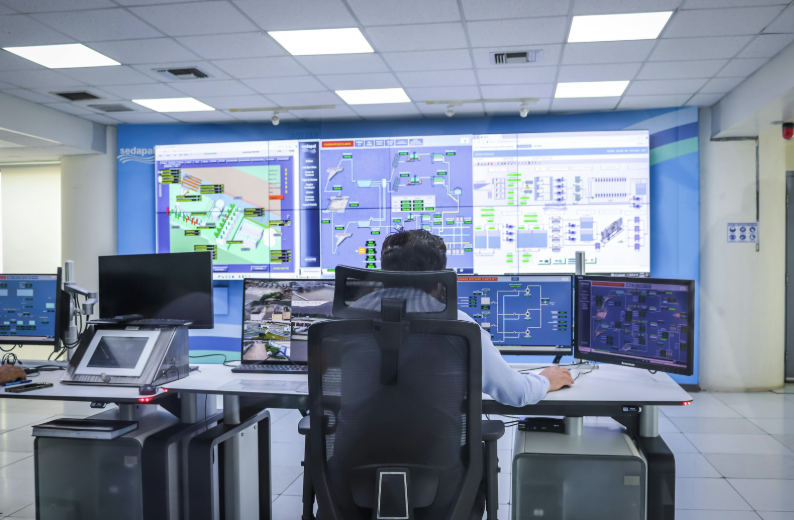
Explore the challenges faced by Irish businesses as they outgrow their first systems and discover how to modernise effectively.
As businesses grow, they often encounter significant challenges with their initial systems. Early software solutions may limit scalability, making it difficult to adapt to evolving market demands. This situation is further complicated by the increasing complexity of integrating new technologies as operations expand, highlighting the necessity for modern solutions in today’s digital age.
For many Irish businesses, especially those in dynamic sectors like fintech, healthcare, and manufacturing, the need to modernise has never been more pressing. The lessons learned during this transition can provide valuable insights for others facing similar growth challenges.
Overview of the Challenges Faced by Growing Businesses
Many businesses find that their early systems, while functional at the start, become a hindrance as they scale. Limited capabilities can restrict operational efficiency, making it essential for companies to seek out more robust solutions. The integration of modern software can alleviate these issues, enabling organisations to streamline processes and enhance productivity.
As businesses expand, they also face increasingly complex integration requirements. Outdated systems often struggle to communicate with new tools, leading to data silos and inefficiencies. In today’s fast-paced digital environment, the ability to share information seamlessly is crucial for maintaining a competitive edge.
The Case of Dublin: Fintech Startups and Legacy Systems
Dublin’s fintech scene is thriving, presenting both opportunities and challenges for local businesses. As these companies grow, many encounter specific difficulties with their initial systems. Legacy technology can obstruct innovation, making it difficult to keep pace with competitors.
Outdated systems often hinder the ability to implement new features or adapt to changing regulations, which is vital in the finance sector. Some argue that such limitations can stifle growth, as companies struggle to innovate within the confines of their existing infrastructure.
Real-World Example
A local fintech startup faced significant scalability issues due to its reliance on legacy systems. Their transition to a modern solution not only improved operational efficiency but also enhanced their capacity to innovate. This shift allowed them to better serve their clients and remain competitive in a rapidly evolving market.
Galway’s Healthcare IT Landscape: Navigating Integration Complexities
Galway’s focus on healthcare technology has led to remarkable innovations, yet it also brings unique integration challenges. Healthcare providers often rely on varied software systems across departments, complicating data sharing and interoperability.
Effective patient care hinges on the ability to access and share data seamlessly. Without modern solutions, healthcare organisations may struggle to comply with regulations while ensuring that patient data is readily available when needed.
Local Challenge Breakdown
- Varied software used across departments complicates integration.
- Compliance with health regulations adds layers of complexity.
- Real-time data access is essential for effective patient care.
Cork’s Manufacturing Sector: From Patchwork Fixes to Comprehensive Solutions
Cork’s manufacturing industry is undergoing a digital transformation, yet many firms continue to rely on patchwork fixes. This reliance can significantly impact operational efficiency, as disparate systems often lead to increased downtime and errors.
Rebuilding systems to support growth and innovation is critical for manufacturers looking to thrive. Modern solutions can streamline processes, leading to improved productivity and reduced operational bottlenecks.
Industry Statistics
- Modernised systems can enhance operational workflows.
- Streamlined processes lead to time savings across departments.
Choosing the Right Development Partner: Why Local Matters
Selecting the right software development partner is a crucial step in the growth journey. Local firms like Dev Centre House offer distinct advantages, including access to tech talent and a deep understanding of the regional regulatory landscape.
Partnering with a local development firm can facilitate smoother communication and collaboration, ensuring that solutions are tailored to meet the specific needs of Irish businesses. This local insight can be invaluable in navigating the complexities of system modernisation.
Dev Centre House: Your Partner in Legacy Modernisation
Dev Centre House is dedicated to assisting businesses in overcoming legacy challenges. With a range of services designed to modernise systems, they help companies navigate the complexities of integration and scalability.
By leveraging local expertise, Dev Centre House can provide tailored solutions that align with the unique needs of businesses in Ireland. Testimonials from satisfied clients highlight the positive impact of their services on operational efficiency and innovation.
The Future of Business Technology in Ireland
The evolution of technology in Irish businesses is set to continue, with an emphasis on staying ahead of trends. Companies that regularly evaluate their systems are better positioned to adapt to changes and seize new opportunities.
Embracing modern solutions is essential for maintaining competitiveness in a rapidly changing landscape. Businesses must remain vigilant and proactive to ensure they are not left behind.
Conclusion
Irish businesses have much to learn from the lessons of outgrowing their first systems. Modernisation is not just a trend; it is a necessity for sustainable growth. Choosing the right partner, such as Dev Centre House, can make a significant difference in navigating this journey.
Businesses are encouraged to assess their current systems and consider how modern solutions can enhance their operations. The future of success lies in the ability to adapt and innovate.
FAQs
What are the signs that a business has outgrown its first system?
Signs of outgrowing a system include operational inefficiencies, inability to scale processes, and challenges in integrating new technologies. Businesses may also notice increased downtime or difficulty in meeting customer demands, indicating that their current system is no longer sufficient.
How does legacy technology affect scalability in Irish businesses?
Legacy technology can severely limit scalability by creating barriers to integrating new solutions. As businesses grow, outdated systems may struggle to handle increased demands, leading to inefficiencies and a lack of agility in responding to market changes.
What specific challenges do businesses in Ireland face when integrating new systems?
Irish businesses often face challenges such as compliance with local regulations, varied software across departments, and the need for real-time data sharing. These factors complicate the integration process and can hinder operational efficiency.
How can Dev Centre House help businesses modernise their legacy systems?
Dev Centre House offers tailored solutions for modernising legacy systems, focusing on seamless integration and scalability. Their local expertise ensures that businesses receive support that aligns with regional needs and regulations, facilitating a smoother transition to modern technologies.
What are the benefits of partnering with a local software development firm in Ireland?
Partnering with a local software development firm provides access to regional talent and insights into local market conditions. This relationship can enhance communication, improve project outcomes, and ensure that solutions are specifically designed to meet the unique challenges faced by Irish businesses.