

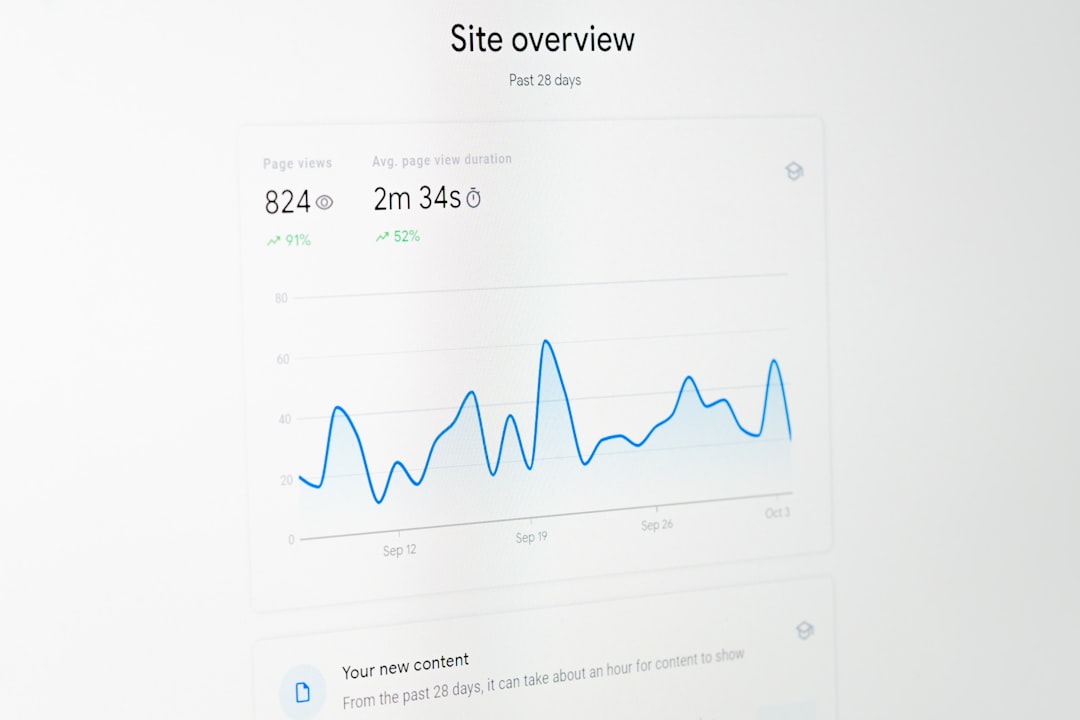
Data visualisation has become a cornerstone for effective decision-making in the modern business landscape. For Norwegian executives, harnessing data visualisation strategies can significantly enhance clarity and speed in their operational processes. This is particularly crucial as they navigate the complexities of a data-driven environment.
As businesses increasingly rely on data to inform their strategies, the ability to present this information visually is paramount. Executives seeking to improve communication and decision-making can leverage these high-impact strategies tailored to the unique Norwegian context.
The Importance of Data Visualisation in the Digital Age for Norwegian Executives
Data-driven decision-making is not just a trend; it has become a necessity for Norwegian executives. The clarity that visualisation brings to complex data sets allows leaders to make informed choices swiftly. As the volume of data continues to grow, the ability to distill this information into easily digestible formats becomes critical.
Visual clarity in communication fosters better collaboration among teams, ensuring everyone is aligned with the organisation’s goals. This alignment is essential for Norwegian businesses, where innovation and agility are key to maintaining a competitive edge.
Understanding the Local Tech Ecosystem in Norway
Norway boasts a thriving tech ecosystem, with vibrant hubs in cities like Oslo and Bergen. These regions are home to numerous startups and established tech firms, creating a collaborative environment ripe for innovation. The government actively supports this growth through various incentives aimed at fostering tech innovation.
Additionally, the availability of local talent from esteemed educational institutions enhances the capacity for technological advancement. Norwegian companies benefit from a skilled workforce that is well-versed in the latest technological trends and practices.
High-Impact Data Visualisation Strategy #1: Clear Dashboards for Improved Decision Speed
In the fast-paced world of business, real-time data access is invaluable for Norwegian executives. Clear dashboards that present key metrics at a glance can significantly improve decision-making speed. By implementing effective dashboard solutions, organisations can respond promptly to market changes and internal challenges.
Best Practices for Designing Effective Dashboards
- Tailoring dashboards to the specific needs of Norwegian industries ensures relevance.
- Leveraging popular tools and software in Norway, such as Tableau and Power BI, enhances usability.
- Incorporating user feedback into dashboard design fosters continuous improvement and functionality.
High-Impact Data Visualisation Strategy #2: KPI Tracking for Enhanced Strategic Alignment
Key Performance Indicators (KPIs) play a crucial role in aligning business strategies with operational goals. For Norwegian executives, understanding the relevant KPIs is essential for measuring success across various sectors.
- Finance: Focus on profit margins and cost-to-income ratios.
- Energy: Monitor production efficiency and carbon footprint metrics.
- Technology: Track user engagement and churn rates.
Dev Centre House can assist organisations in establishing robust KPI tracking systems that align with their unique business objectives.
High-Impact Data Visualisation Strategy #3: Visual Clarity to Reduce Reporting Delays
Reporting delays can hinder decision-making processes in Norwegian businesses. By employing data visualisation techniques, organisations can streamline their reporting processes, ensuring timely access to critical information.
Tools for Achieving Visual Clarity in Reports
- Popular data visualisation tools in Norway include Looker and Qlik, which cater to various industry needs.
- Choosing the right tool depends on specific business requirements and user familiarity.
- Training staff on these tools can enhance data interpretation and reporting efficiency.
High-Impact Data Visualisation Strategy #4: Leveraging Storytelling Through Data
Narrative plays a significant role in how data is presented, especially to Norwegian audiences. Effective data storytelling can transform complex data into relatable insights, making it easier for stakeholders to understand and act on the information.
A successful campaign in Norway that utilised data storytelling demonstrates the potential impact of this approach. By weaving together data and narrative, organisations can engage their audience and drive meaningful action.
Dev Centre House can help craft compelling data narratives that resonate with stakeholders, enhancing overall communication effectiveness.
Choosing the Right Software Development Partner for Data Visualisation
Collaboration with a local expert is essential for successful data visualisation projects. When selecting a software development partner in Norway, executives should consider factors such as industry expertise, previous project experience, and cultural compatibility.
Dev Centre House stands out as a full-cycle development partner, offering tailored solutions that meet the unique needs of Norwegian businesses. Their commitment to quality and collaboration ensures that organisations achieve their data visualisation goals effectively.
Conclusion: The Future of Data Visualisation for Norwegian Executives
The strategies discussed highlight the vital role of data visualisation in the success of Norwegian businesses. As the landscape continues to evolve, the ability to present data clearly and effectively will remain a key differentiator for executives.
Embracing these high-impact strategies can lead to improved decision-making, enhanced strategic alignment, and ultimately, greater success in the competitive Norwegian market.
FAQs
What are the key benefits of data visualisation for Norwegian businesses?
Data visualisation enhances clarity, enabling quicker decision-making and fostering better communication among teams. For Norwegian businesses, this means improved alignment with strategic goals and a more agile response to market dynamics.
How can I implement clear dashboards in my organisation?
To implement clear dashboards, start by identifying key metrics relevant to your industry. Collaborate with your team to design dashboards that cater to their needs and utilise popular tools to facilitate effective data presentation.
What KPIs should I focus on for my industry in Norway?
Focus on KPIs that are critical to your sector. For example, finance may prioritise profit margins, while energy firms might track production efficiency. Tailoring KPIs to your organisation’s specific goals is essential for measuring success.
What tools are recommended for effective data visualisation in Norway?
Popular tools for data visualisation in Norway include Tableau, Power BI, and Qlik. These platforms offer robust capabilities for presenting data clearly, allowing businesses to make informed decisions based on visual insights.
How can Dev Centre House assist with data visualisation strategies?
Dev Centre House provides expertise in developing tailored data visualisation strategies. Their team can help organisations design effective dashboards, establish KPI tracking systems, and create compelling data narratives to enhance communication and decision-making.