
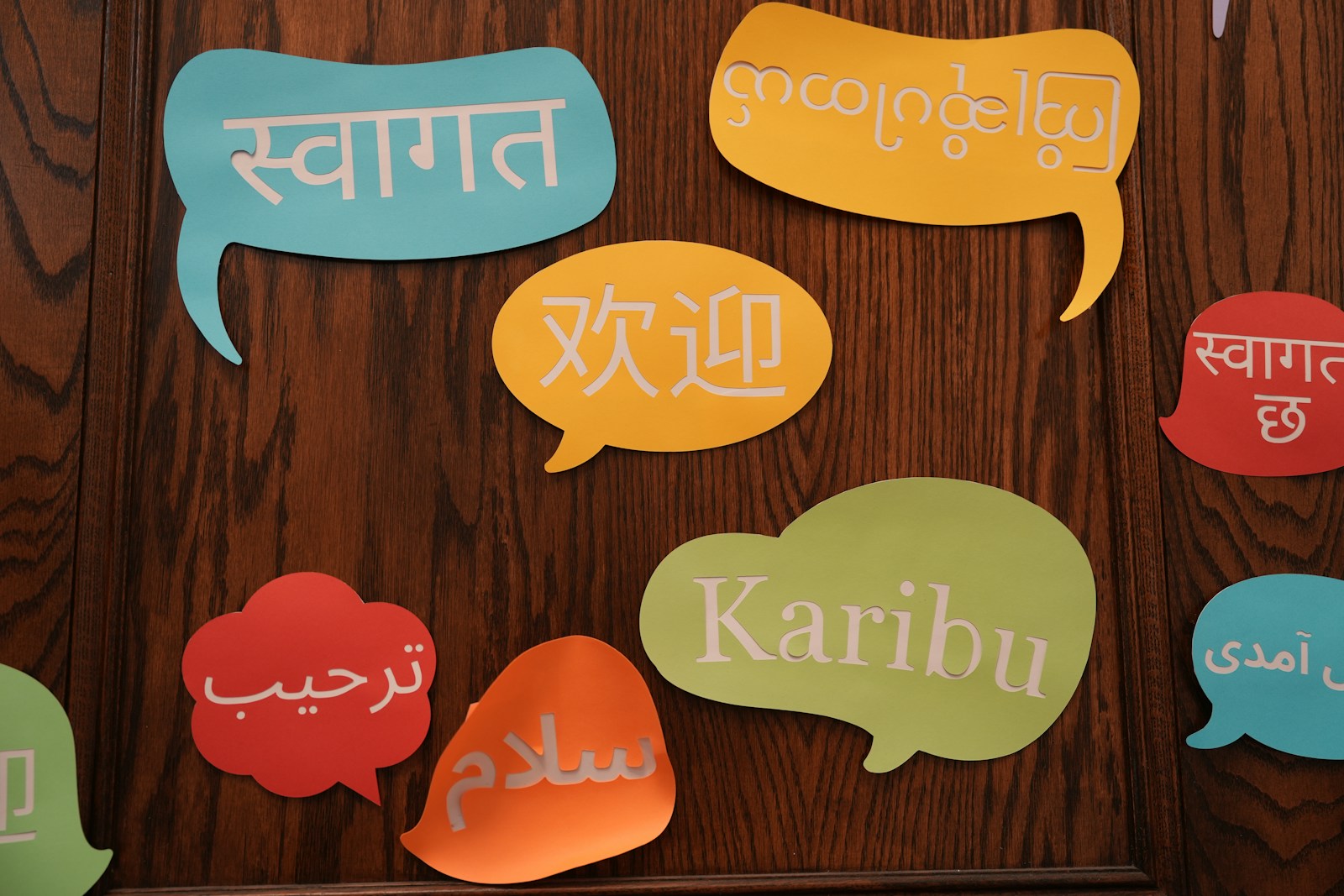
Building a multilingual website can seem daunting for Norwegian companies navigating a rapidly digitalising market. The need for effective communication across different languages and cultures is becoming essential as businesses strive to engage a diverse customer base. This challenge presents both opportunities and solutions that can streamline website development.
With the rise of digitalisation, Norwegian firms are increasingly recognising the importance of multilingual content. However, the journey towards creating a seamless multilingual experience is often fraught with challenges that require strategic planning and expert guidance.
Overview Of The Multilingual Landscape In Norway
The digital transformation of Norwegian businesses has led to a significant rise in the demand for multilingual websites. Many companies are grappling with the unique challenges that come from catering to a linguistically diverse population. These challenges include ensuring accurate translations, maintaining cultural relevance, and integrating various language versions into their existing digital frameworks.
As the market evolves, Norwegian firms must adapt to the increasing necessity for multilingual content. This shift not only enhances customer engagement but also allows companies to position themselves competitively within both local and international markets.
The Importance Of Multilingual Websites For Norwegian Companies
Multilingual websites play a crucial role in enhancing customer engagement by allowing businesses to communicate effectively with their audience. When customers feel understood and catered to in their native language, it fosters trust and loyalty. This is particularly important in Norway, where the population is accustomed to high levels of service and personalisation.
Consider a Norwegian company that successfully implemented a multilingual strategy; this approach not only improved their customer engagement but also positively influenced their brand perception. Language is a powerful tool, and its impact on brand image cannot be overstated in a market where personal connections are key.
Navigating The Complexities Of Multilingual Development
Norwegian businesses face several challenges when developing multilingual websites. Managing multiple language versions can lead to inconsistencies and confusion if not handled properly. Additionally, ensuring that translations are culturally relevant requires a deep understanding of local nuances.
Common Challenges For Norwegian Businesses
- Managing multiple language versions effectively
- Ensuring cultural relevance in translations
- Addressing technical hurdles in website architecture
A local business in Oslo might struggle with multilingual SEO, risking their visibility in search engines. This highlights the need for expert guidance in navigating these complexities.
Local Tech Ecosystem: Leveraging Norway’s Digital Innovation Hubs
Norway’s tech ecosystem is thriving, with key innovation hubs located in cities like Oslo, Bergen, and Trondheim. These hubs are home to a wealth of local talent skilled in web development and multilingual strategies. By tapping into this expertise, businesses can streamline their multilingual setups and overcome common obstacles.
Local government incentives further enhance the appeal of collaborating with tech firms in these regions. Such partnerships can provide the necessary support to implement a multilingual website effectively, ensuring that businesses remain competitive in the digital landscape.
Choosing The Right Software Development Partner
When selecting a partner for multilingual website development, several factors should be considered. Companies should look for partners who understand the nuances of the Norwegian market and can offer tailored solutions. Full-cycle software development services play a vital role in simplifying the multilingual setup process.
Dev Centre House stands out as a potential partner for Norwegian firms, offering comprehensive web design and development services. Their expertise can help businesses navigate the complexities of multilingual website creation while ensuring a high-quality user experience.
Strategies For Implementing Multilingual Websites With Ease
To facilitate the development of multilingual websites, Norwegian businesses can leverage several essential tools and technologies:
Essential Tools And Technologies
- Centralised translation management systems for streamlined workflows
- Content delivery networks (CDNs) to ensure faster access
Additionally, adopting structured content models can significantly enhance the multilingual setup process. Recommended practices include regularly updating translations, testing website functionality across all languages, and engaging local translators to ensure accuracy.
Future Trends In Multilingual Web Development For Norwegian Companies
As technology evolves, so too will the landscape of multilingual websites. Predictions suggest that advancements in AI and machine learning will play a significant role in translation and localisation efforts. Norwegian businesses can stay ahead of these trends by embracing innovative solutions and preparing for future challenges.
By actively engaging with emerging technologies, companies can enhance their multilingual capabilities and seize new opportunities in the market.
Conclusion
The importance of building multilingual websites for Norwegian companies cannot be overstated. As the demand for diverse content grows, engaging with local partnerships becomes essential for effective implementation. Companies should consider collaborating with experts like Dev Centre House to develop tailored solutions that address their unique needs.
FAQs
What are the key benefits of having a multilingual website for Norwegian businesses?
A multilingual website enhances customer engagement by allowing businesses to connect with diverse audiences. It fosters trust and loyalty, improving overall brand perception in a competitive market.
How can Norwegian companies overcome the challenges of managing multilingual content?
By leveraging centralised translation management systems and collaborating with local tech firms, businesses can effectively manage multilingual content and ensure cultural relevance.
What specific tools can assist in building a multilingual website in Norway?
Tools such as translation management systems and content delivery networks are vital. They streamline workflows and ensure faster access to multilingual content, making the process more efficient.
Why is choosing the right software development partner crucial for multilingual setups?
A knowledgeable software development partner can navigate the complexities of multilingual websites, ensuring that the final product meets local market needs and enhances user experience.
How can Dev Centre House support Norwegian companies in their multilingual website development?
Dev Centre House can provide tailored web design and development services, helping businesses create effective multilingual websites that resonate with their target audiences.