

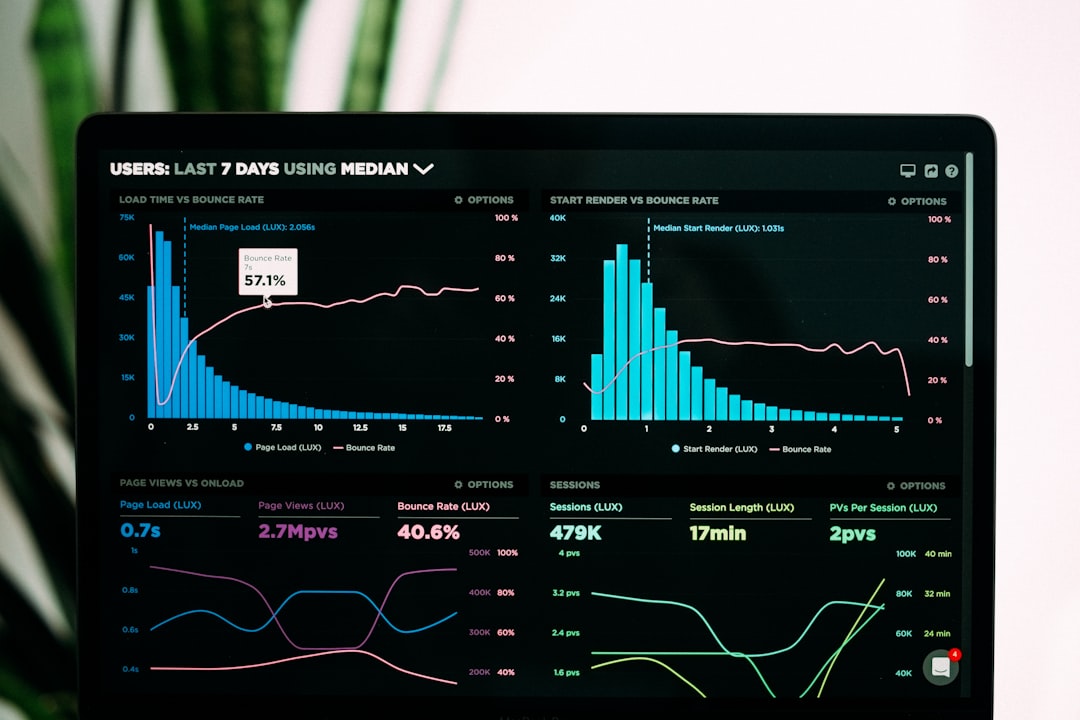
The landscape of data analytics in Norway is rapidly evolving, driven by the increasing need for businesses to harness vast amounts of data. Data platforms play a critical role in enabling effective analysis and informed decision-making. As Norwegian companies strive for data-driven insights, the demand for robust data solutions has never been more significant.
In this context, organisations are recognising that effective data management is key to remaining competitive. With a growing emphasis on analytics, there is an opportunity for businesses to innovate and optimise their operations through advanced data platforms.
Overview of Data Platforms in Norway’s Analytics Landscape
Data platforms are essential for large-scale analytics, providing the infrastructure necessary for managing and analysing data. As Norwegian businesses increasingly rely on data to drive decisions, the significance of these platforms continues to rise. They enable companies to streamline their data processes and extract actionable insights.
This growing demand for data-driven decision-making reflects a broader trend within Norway, where organisations are exploring how data can enhance their operations and customer experiences. Businesses are now prioritising investments in data technology to maintain a competitive edge.
The Norwegian Tech Ecosystem: A Booming Hub for Data Analytics
Norway is emerging as a leader in renewable energy, which significantly influences its data analytics landscape. The push towards sustainability is driving the need for innovative data solutions that can efficiently manage and analyse energy data. This unique position presents opportunities for tech companies to develop specialised analytics tools tailored to the energy sector.
However, businesses face challenges in effectively harnessing data amid this dynamic environment. The rapid pace of technological change requires a skilled workforce capable of developing cutting-edge analytics solutions. Local tech talent is pivotal in shaping these innovations, bridging the gap between renewable energy and data analytics.
Scalable Data Pipelines: Meeting the Needs of Large Datasets
Scalable data pipelines are crucial for Norwegian businesses managing large datasets. These systems allow organisations to efficiently process and analyse growing volumes of data, ensuring timely insights that drive business strategies. Many local companies are already leveraging scalable data solutions to address their unique challenges.
- A leading Oslo-based fintech is effectively managing its rapid growth by implementing scalable data solutions.
- A Bergen-based healthcare startup utilises data pipelines to enhance patient analytics and improve healthcare delivery.
- A Trondheim manufacturing firm analyses production data in real-time, optimising its operations and increasing efficiency.
Real-Time Processing: Enhancing Insights for Competitive Edge
In the fast-paced Norwegian market, real-time processing has become essential for gaining a competitive edge. The ability to analyse data as it is generated allows businesses to make informed decisions quickly. This need for immediacy is heightened by Norway’s geographical diversity, which can impact data latency and accessibility.
Local Case Studies of Real-Time Analytics
A Norwegian logistics company employs real-time data to optimise its supply chain management, enhancing operational efficiency. Additionally, a Stavanger energy firm uses real-time analytics to improve its operational processes, demonstrating the value of timely insights in driving business success.
Data Governance: Ensuring Data Reliability and Compliance
Data governance is critical in maintaining data integrity and ensuring compliance with local regulations, especially in a landscape influenced by stringent data protection laws. Norwegian businesses must navigate these complexities while ensuring that their data practices meet the necessary standards.
Norwegian Regulatory Landscape
GDPR compliance poses challenges for many Norwegian companies, requiring them to adopt robust data governance frameworks. By leveraging services like those offered by Dev Centre House’s Data Engineering, businesses can navigate these regulations effectively, ensuring their data practices are both compliant and reliable.
Choosing the Right Software Development Partner in Norway
Selecting an experienced software development partner is crucial in the competitive data analytics landscape. Businesses should consider factors such as local expertise, proven track records, and the ability to understand specific industry needs when evaluating potential partners.
Finding a partner who can provide tailored solutions that align with local market demands can significantly enhance the effectiveness of data initiatives. Collaborating with an experienced partner can streamline the development process and foster innovation.
Unique Opportunities for Innovation with Dev Centre House
Dev Centre House is well-positioned to assist Norwegian businesses in overcoming local challenges related to data analytics. By offering full-cycle software development and IT consultancy, Dev Centre House can help organisations navigate the complexities of data management effectively.
With a focus on the Norwegian market, the company provides solutions that address specific local needs, ensuring that businesses can fully leverage their data for strategic advantage. Their Data Engineering services are designed to support organisations in optimising their data practices.
Conclusion: The Future of Data Analytics in Norway
The importance of data platforms in Norway’s analytics landscape cannot be overstated. As local tech ecosystems continue to evolve, businesses must embrace innovative solutions to stay ahead. Collaborating with partners like Dev Centre House can provide the necessary expertise to navigate this complex landscape and unlock new opportunities.
FAQs
What are the key benefits of scalable data pipelines for Norwegian businesses?
Scalable data pipelines allow Norwegian businesses to manage increasing volumes of data efficiently. They enable timely analysis, which is crucial for informed decision-making. As companies grow, these pipelines ensure that data processing remains effective, supporting ongoing business development and innovation.
How does real-time processing impact decision-making in large-scale analytics?
Real-time processing empowers Norwegian businesses to make swift decisions based on current data. This immediacy can enhance responsiveness to market changes and operational challenges, ultimately driving better outcomes and fostering a competitive advantage in their respective industries.
What are the main challenges of data governance in Norway?
Norwegian businesses face challenges in ensuring data governance due to GDPR compliance and the need for robust data management practices. Navigating these regulations requires a deep understanding of local laws, which can complicate data handling and necessitate expert guidance.
How can Dev Centre House assist companies in navigating Norway’s data landscape?
Dev Centre House offers tailored solutions that help Norwegian companies address their data analytics challenges. Through their specialised Data Engineering services, they provide the expertise needed to ensure effective data governance, compliance, and innovative data management strategies.
What role does local tech talent play in the success of data analytics initiatives in Norway?
Local tech talent is vital for the success of data analytics in Norway, as they possess the skills and insights necessary to develop innovative solutions. Their understanding of the local market dynamics enables businesses to create tailored analytics strategies that effectively address industry-specific challenges.