

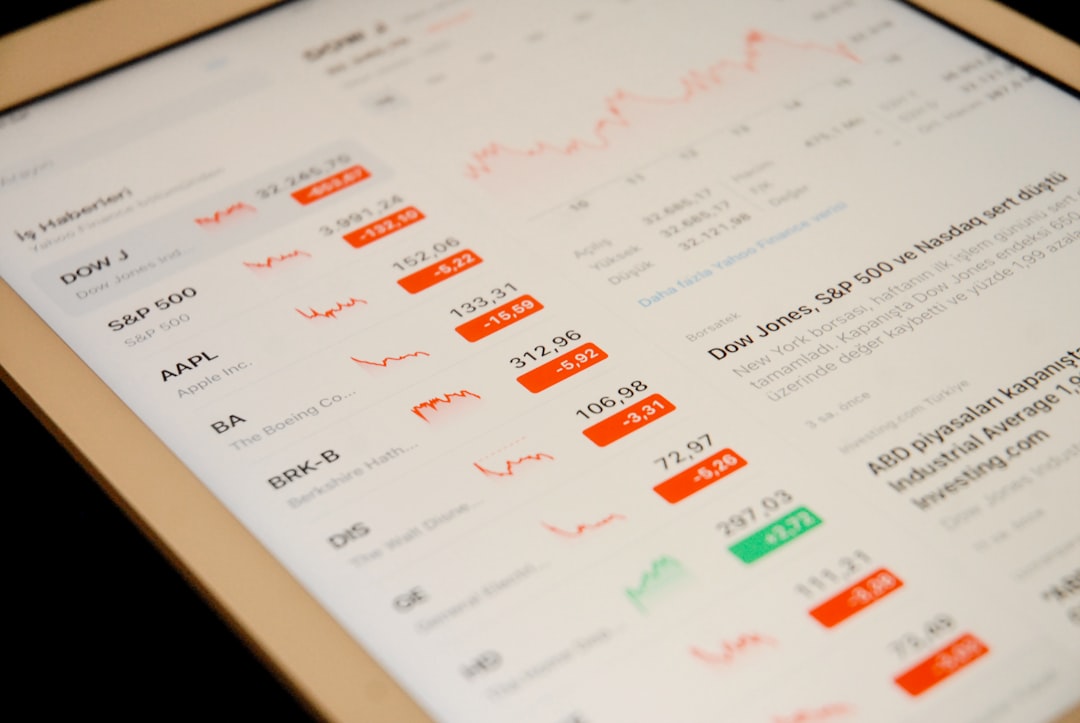
Business intelligence dashboards have become essential tools for executives navigating the complexities of today’s data-driven landscape. These platforms enable leaders to visualise critical data, providing insights that drive timely and informed decisions. For Norwegian executives, the ability to access and interpret real-time data can be a game changer, enhancing strategic initiatives across various industries.
As the demand for data analysis grows, Norwegian businesses face unique challenges in harnessing this information effectively. With the rapid pace of change in the market, the need for intuitive dashboards that reflect real-time performance metrics has never been more pressing.
Overview of Business Intelligence Dashboards
Business intelligence dashboards serve as visual interfaces that present key performance indicators and data analytics in a digestible format. Their significance lies in their ability to transform complex data into actionable insights, facilitating better decision-making processes. This is particularly crucial in the digital age, where speed and accuracy are paramount.
Norwegian executives are increasingly recognising the need for real-time data analysis, allowing them to respond swiftly to market shifts. Current trends indicate a strong movement towards data-driven decision-making, with many leaders prioritising tools that enhance visibility and comprehension of business performance.
Unique Challenges for Norwegian Executives
The competitive landscape in Norway’s business sector is marked by high stakes and rapid evolution. Executives must navigate various challenges specific to industries such as oil and gas, maritime, and technology. Understanding these unique pressures is vital for effective leadership.
Real-time data plays a crucial role in overcoming these challenges, enabling executives to make informed decisions amidst uncertainty. By leveraging timely insights, leaders can better position their companies to capitalise on emerging opportunities and mitigate risks.
The Role of Real-Time Dashboards in Decision-Making
Real-time dashboards significantly enhance decision-making speed for Norwegian businesses. By providing instant access to relevant data, these tools empower executives to act decisively and strategically. This agility can lead to a competitive edge in the fast-paced Norwegian market.
Consider a Norwegian tech company that utilises real-time data to inform its strategies. By monitoring performance metrics closely, the business can adapt its operations swiftly, ensuring alignment with market demands.
Key Features of Effective Real-Time Dashboards
- User-friendly interface
- Integration with existing business systems
- Customisation options for specific industries
Enhancing Strategic Alignment with KPI Visibility
The visibility of key performance indicators (KPIs) is essential for aligning business strategies within Norway. Executives need to identify and track KPIs that resonate with their organisational goals, ensuring that every decision is data-informed.
For instance, energy efficiency is a critical KPI for oil companies in Norway, reflecting their commitment to sustainability while also enhancing operational efficiency. This focus on relevant metrics allows businesses to remain competitive and forward-thinking.
Best Practices for KPI Implementation
- Regular reviews and updates
- Employee engagement and understanding
- Use of visualisation tools
Data Centralisation: A Necessity for Accurate Reporting
Effective data management practices are crucial for Norwegian companies striving for accuracy in reporting. Data silos can hinder the flow of information, leading to discrepancies and misinterpretations in performance analysis.
Data centralisation addresses these issues, providing a cohesive view of organisational data. This approach enhances collaboration across departments and boosts the integrity of reported information.
- Improved collaboration between departments
- Enhanced data integrity and reliability
- Streamlined reporting processes
- Compliance with Norwegian data protection regulations
Choosing the Right Software Development Partner
Selecting a reliable partner for business intelligence solutions is paramount for success. The right partner can provide customised solutions that meet the evolving needs of Norwegian businesses.
Dev Centre House stands out in the Norwegian tech landscape, offering a range of services that cater specifically to local industries. When choosing a software development partner, consider their expertise, track record, and ability to deliver tailored solutions.
Dev Centre House: Your Partner in Business Intelligence Solutions
Dev Centre House provides a comprehensive suite of services designed to empower Norwegian businesses with effective business intelligence solutions. Their approach includes full-cycle software development and IT consultancy, ensuring that clients receive the support they need to thrive in a competitive environment.
Success stories from local partnerships demonstrate the impact of their work, showcasing the value of strategic collaboration in achieving business objectives. Engaging with Dev Centre House can enhance the effectiveness of your business intelligence initiatives.
Conclusion
The importance of business intelligence dashboards for Norwegian executives cannot be overstated. These tools are vital for navigating the complexities of today’s marketplace and making informed decisions that drive growth. Executives are encouraged to explore innovative solutions from Dev Centre House, ensuring they remain competitive and responsive to market demands.
FAQs
What are the key benefits of using business intelligence dashboards for Norwegian executives?
Business intelligence dashboards provide Norwegian executives with real-time insights, enabling them to make informed decisions quickly. These tools enhance visibility into performance metrics, facilitating strategic alignment and improved operational efficiency across various sectors.
How can real-time data impact decision-making in Norwegian industries?
Real-time data allows Norwegian industries to respond swiftly to market changes, enabling executives to make timely decisions that align with business objectives. This agility is crucial for maintaining competitiveness in fast-evolving sectors.
What challenges do Norwegian businesses face in data centralisation?
Norwegian businesses often encounter data silos that hinder effective reporting and decision-making. Overcoming these challenges requires a focus on data management practices that promote centralisation and ensure accurate insights across the organisation.
Why is it important to choose a local software development partner for business intelligence solutions?
Choosing a local software development partner, such as Dev Centre House, ensures that solutions are tailored to the specific needs of Norwegian businesses. This local expertise can enhance the effectiveness of business intelligence initiatives and drive successful outcomes.
How can Dev Centre House help enhance KPI visibility for businesses in Norway?
Dev Centre House offers customised solutions that focus on KPI visibility, helping Norwegian businesses track and analyse relevant metrics effectively. Their expertise in software development ensures that organisations can align their strategies with performance outcomes.