

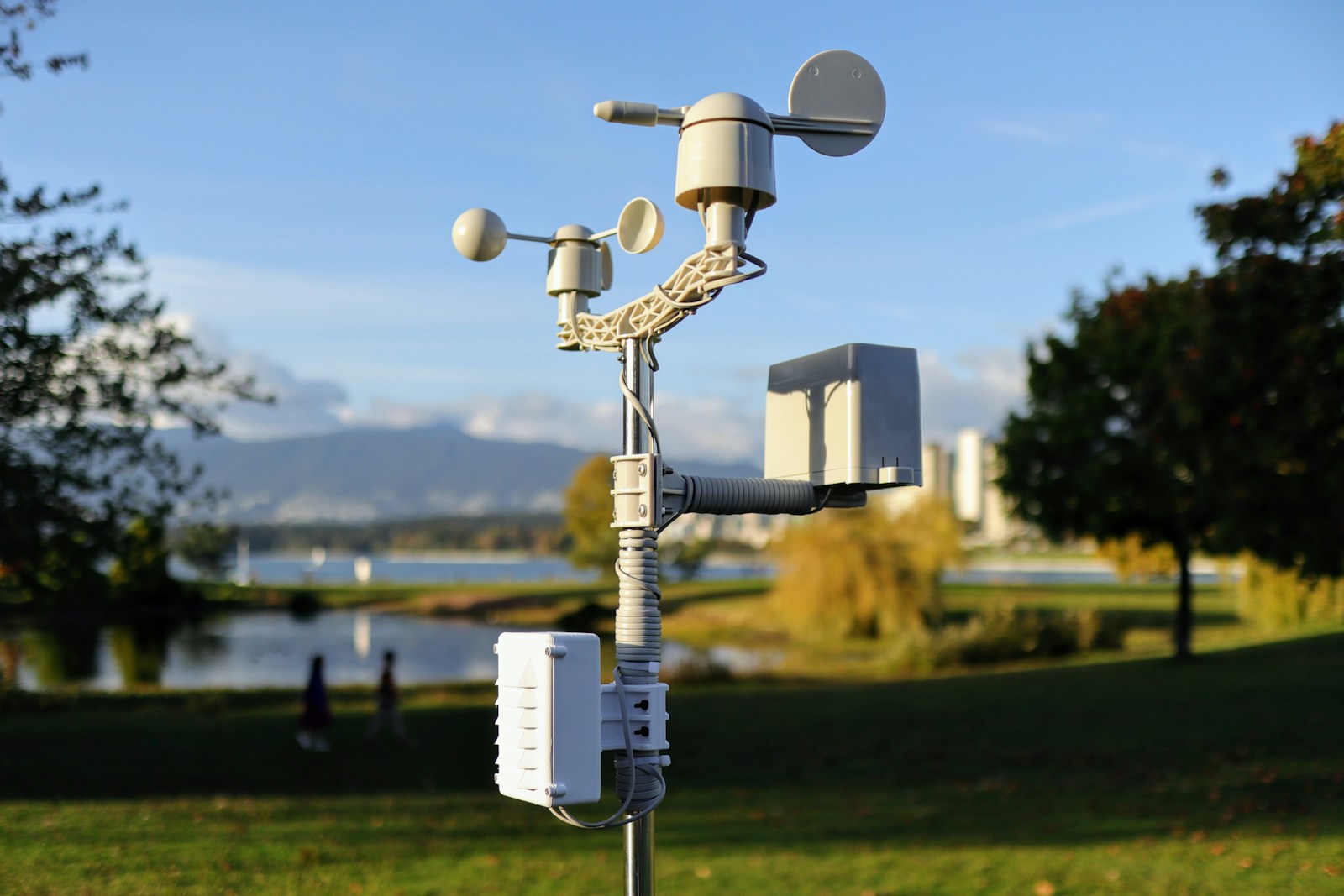
The integration of Internet of Things (IoT) technologies into urban environments presents both challenges and opportunities. As cities across Ireland strive to enhance their infrastructure, IoT solutions are becoming essential for improving quality of life and operational efficiency. This blog explores practical applications of IoT in various Irish cities, highlighting their impact on local communities.
With local businesses increasingly looking for innovative technology solutions, the relevance of it in smart cities cannot be overstated. From traffic management to energy optimisation, these technologies not only address pressing urban issues but also create opportunities for collaboration between tech partners and municipalities.
Overview of IoT in Smart Cities
Internet of Things refers to the interconnection of devices and systems that collect and exchange data to improve decision-making and efficiency. In the context of smart cities, connected devices plays a crucial role in transforming urban living by enabling real-time data collection and analysis. Currently, Ireland is witnessing a surge in smart city initiatives, with various municipalities exploring how technology can enhance public services and infrastructure.
As local businesses face growing demands for innovative solutions, the need for effective partnerships with technology providers becomes increasingly important. Collaborating with experienced firms can help cities implement IoT strategies that address specific urban challenges while fostering economic development.
Traffic Monitoring in Dublin
Dublin faces significant challenges related to urban mobility, including congestion and pollution. These issues not only affect daily commuters but also impact local businesses reliant on efficient transport systems. To tackle these challenges, IoT solutions for real-time traffic monitoring and management are essential.
One practical application is the implementation of smart traffic lights that adapt to real-time traffic conditions. This technology has the potential to reduce travel times and enhance access to local businesses. By facilitating smoother traffic flow, Dublin can create a more attractive environment for both residents and visitors.
Benefits of Real-Time Traffic Management
- Improved travel times for commuters and delivery services.
- Enhanced access to local businesses, leading to increased patronage.
- Reduced environmental impact from vehicle emissions.
Choosing the right tech partner, such as Dev Centre House, is crucial for successful implementation. Their expertise in smart infrastructure solutions can help Dublin effectively address its urban mobility challenges.
Energy Optimisation in Cork
Municipalities in Cork are grappling with rising energy costs, which place a strain on public budgets. IoT technologies offer innovative pathways for energy optimisation in public infrastructure, enabling cities to manage resources more effectively.
Key Applications of IoT in Energy Management
- Smart street lighting systems that adjust based on pedestrian traffic.
- Energy-efficient heating solutions in public buildings to reduce waste.
- Real-time energy consumption monitoring for informed budget management.
Dev Centre House can assist Cork in implementing these solutions, ensuring that the city not only reduces costs but also promotes sustainable practices.
Enhancing Public Safety in Galway
Public safety remains a critical concern in Galway, with challenges including crime rates and emergency response times. IoT technologies, particularly sensor networks, can significantly enhance public safety measures across the city.
Specific IoT Applications
- Smart surveillance systems equipped with AI capabilities to monitor public spaces.
- Emergency response drones that provide rapid assistance in critical situations.
Collaboration with tech partners can empower local businesses to implement these innovative safety solutions, ultimately contributing to a safer community.
Waste Management Solutions in Limerick
Limerick faces pressing challenges in waste management, including inefficiencies in collection and recycling processes. IoT technologies can streamline these operations, ensuring more effective waste handling.
Benefits of IoT in Waste Management
- Smart bins that notify collection services when full, optimising collection routes.
- Route optimisation for waste collection trucks, reducing fuel costs and emissions.
- Increased recycling rates through better monitoring and community engagement.
Dev Centre House is well-positioned to provide tailored software solutions for local councils in Limerick, enhancing their waste management strategies.
Water Quality Monitoring in Waterford
Maintaining water quality in urban areas poses significant challenges for municipalities. IoT solutions can facilitate continuous monitoring, ensuring the safety and reliability of water supplies.
Specific Challenges and Solutions
- Real-time data collection to identify potential contamination events.
- Automated alerts that enable swift responses to water quality issues.
Local tech partners like Dev Centre House play a vital role in deploying these technologies, helping Waterford ensure its water quality standards are upheld.
Conclusion
The integration of IoT technologies into Irish cities is essential for addressing urban challenges and enhancing the quality of life for residents. Local businesses are encouraged to partner with innovative tech firms like Dev Centre House to leverage these solutions effectively. By engaging with these technologies, communities can create a more sustainable and efficient urban environment.
FAQs
What are the most impactful IoT applications in Irish smart cities?
Some of the most impactful IoT applications include traffic monitoring systems, energy optimisation technologies, and public safety enhancements. These solutions are tailored to address specific urban challenges faced by cities across Ireland, improving overall quality of life.
How can IoT help reduce operational costs for local governments?
IoT can help local governments reduce operational costs by optimising resource management, such as energy usage and waste collection. By implementing smart solutions, municipalities can significantly enhance efficiency and reduce waste, ultimately saving taxpayer money.
What challenges do businesses face when implementing IoT solutions in urban areas?
Businesses may encounter challenges such as data security concerns, integration with existing systems, and the initial investment required for IoT technologies. Addressing these challenges requires strategic planning and collaboration with experienced tech partners.
How does Dev Centre House support the development of smart city technologies?
Dev Centre House supports the development of smart city technologies through its expertise in IoT solutions, helping municipalities implement effective strategies tailored to their specific needs. Their focus on innovation ensures that cities can leverage technology to improve urban living.
What metrics can be used to measure the success of IoT initiatives in smart cities?
Success metrics for IoT initiatives in smart cities can include improvements in operational efficiency, citizen engagement levels, and reductions in resource consumption. By monitoring these metrics, cities can assess the effectiveness of their IoT strategies.