

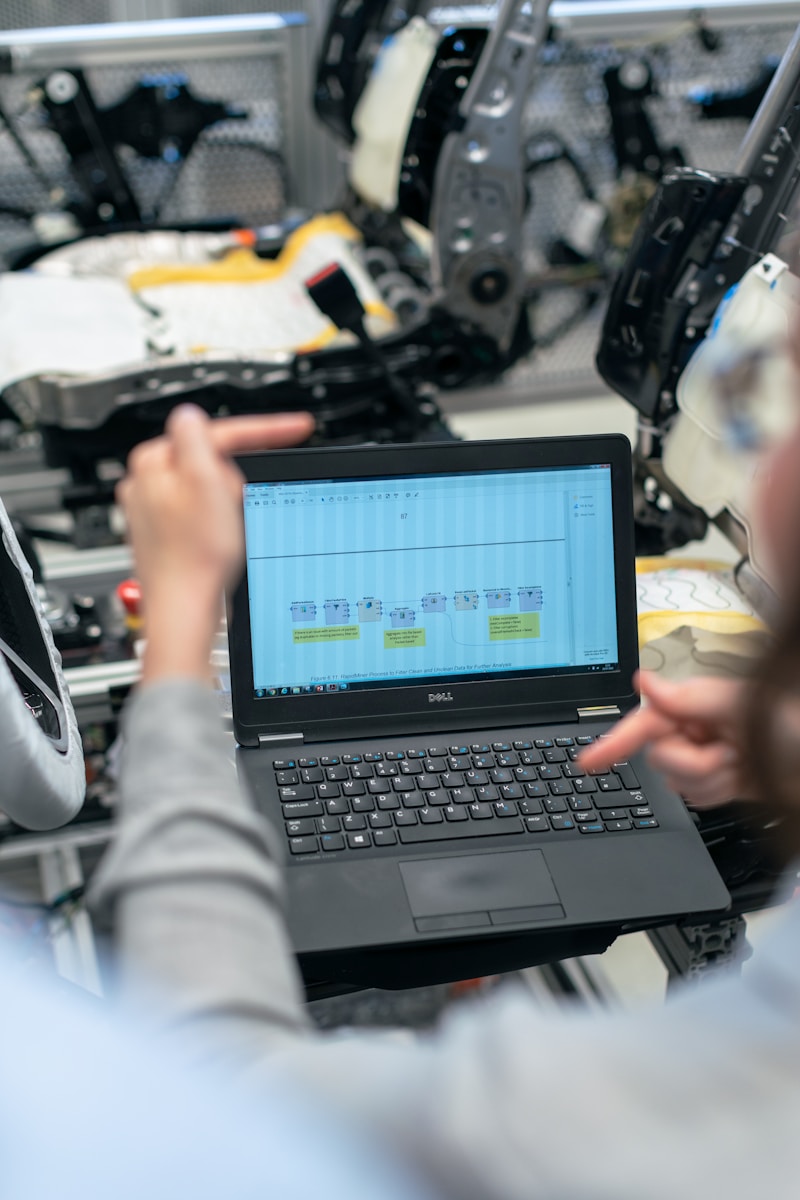
Robotic Process Automation (RPA) is transforming how Irish businesses operate, offering an innovative solution to streamline processes. As organisations navigate the complexities of the digital landscape, RPA emerges as a vital tool to enhance efficiency and accuracy. Conversely, traditional manual processes, while familiar, often struggle to meet the demands of modern business.
As automation gains traction in tech hubs like Dublin and Cork, the pressure mounts for companies to adapt. Embracing RPA not only addresses existing challenges but also paves the way for future growth and innovation in Ireland’s vibrant business environment.
Overview of RPA and Manual Processes in Irish Operations
RPA involves the use of software robots to automate repetitive tasks, significantly reducing human intervention. This technology is particularly relevant for Irish businesses looking to optimise operations and enhance productivity. Manual processes, on the other hand, have long been the backbone of various sectors, relying on human input for tasks that can often be error-prone and time-consuming.
The shift towards automation reflects a growing trend in Ireland’s business landscape, highlighting the need for companies to evolve. As organisations in Dublin and Cork seek competitive advantages, RPA presents a compelling opportunity to improve operational efficiency.
The Current State of Irish Businesses: Challenges and Opportunities
Irish businesses face numerous challenges in the digital age, particularly concerning efficiency and cost management. In Dublin’s fintech sector, the urgency for automation becomes apparent as firms strive to remain competitive amidst rapid technological advancements. The pressure to innovate is palpable, as companies must adapt to survive.
However, the landscape is not without opportunities. The adoption of RPA can unlock avenues for growth, enabling businesses to streamline operations and focus on strategic initiatives. Embracing automation can lead to significant improvements in productivity and operational effectiveness.
RPA vs Manual Processes: A Comparative Analysis
When comparing RPA to manual processes, the differences in efficiency and accuracy become evident. RPA can handle large volumes of transactions with precision, while manual processes often introduce the risk of human error. In Galway’s healthcare IT sector, for instance, RPA can minimise errors, ensuring improved service delivery and patient outcomes.
Key Metrics to Consider
- Error rates in manual processes compared to RPA are significantly lower.
- Time savings achieved through RPA implementation allow resources to focus on higher-value tasks.
- Cost-effectiveness metrics relevant to Irish businesses highlight the long-term benefits of RPA.
The Impact of Automation on ROI: A Key Consideration
Standardising workflows through RPA can profoundly influence ROI for Irish businesses. By reducing administrative workload, organisations can allocate resources more effectively, leading to enhanced productivity. Increased accuracy and decreased error rates further contribute to a positive return on investment.
- Reduction in administrative workload frees up staff for strategic initiatives.
- Increased accuracy reduces the likelihood of costly errors.
- Speed of transaction processing in sectors like manufacturing in Cork enhances operational capabilities.
- Long-term savings on operational costs bolster financial performance.
Choosing the Right Software Development Partner in Ireland
Selecting a partner with expertise in RPA and manual process optimisation is crucial for successful implementation. Dev Centre House stands out with its tailored solutions, designed to meet the unique needs of Irish businesses. Their experience ensures that companies can navigate the complexities of automation effectively.
What to Look for in a Development Partner
- Industry experience in Irish markets is essential for understanding local challenges.
- A proven track record in RPA implementations demonstrates reliability.
- Local support ensures timely assistance and a deeper understanding of regional nuances.
Real-World Success Stories: Implementing RPA in Irish Operations
Numerous Irish companies have embraced RPA, transitioning from manual to automated processes. In Dublin’s tech scene, one notable example illustrates the challenges faced and the transformative results achieved. The shift to automation not only improved efficiency but also enhanced overall service delivery.
Dev Centre House can replicate such success for other businesses, offering the expertise and support necessary to facilitate a smooth transition to RPA.
The Future of RPA in Ireland: Trends and Predictions
The landscape of automation in Ireland is evolving, with emerging technologies reshaping the business environment. Potential government support for automation initiatives further underscores the importance of RPA in driving innovation. As businesses adapt to these trends, the role of Dev Centre House becomes increasingly vital in guiding companies through their automation journey.
Conclusion: The Strategic Choice for Irish Businesses
The advantages of RPA over manual processes are clear, particularly in the context of Irish operations. By choosing the right partner, such as Dev Centre House, businesses can navigate the transition to automation effectively. Considering the potential of RPA is not just an opportunity but a strategic imperative for organisations aiming to thrive in a competitive landscape.
FAQs
What are the main benefits of RPA for Irish businesses?
The primary benefits of RPA for Irish businesses include enhanced efficiency, reduced error rates, and improved accuracy in operations. By automating repetitive tasks, companies can optimise workflows and allocate resources more effectively, leading to significant operational improvements. This shift allows businesses to focus on strategic initiatives rather than mundane administrative duties, ultimately driving growth and innovation.
How does RPA reduce error rates compared to manual processes?
RPA significantly reduces error rates by automating tasks that are typically prone to human error. Unlike manual processes, where mistakes can occur due to fatigue or oversight, RPA ensures consistent execution of tasks with high accuracy. This reliability not only improves service delivery but also enhances overall operational effectiveness, particularly in sectors like healthcare and finance.
What metrics should Irish companies consider when evaluating RPA investments?
When evaluating RPA investments, Irish companies should consider metrics such as error rates, time savings, and overall cost-effectiveness. Understanding how RPA can streamline processes and reduce administrative burdens is crucial. Additionally, assessing the potential return on investment and the impact on operational efficiency will provide valuable insights into the benefits of adopting automation.
How can Dev Centre House assist businesses in implementing RPA?
Dev Centre House offers tailored solutions for businesses looking to implement RPA effectively. With expertise in software development and a deep understanding of the Irish market, they can guide organisations through the complexities of automation. Their support ensures that businesses can navigate challenges and achieve successful outcomes, maximising the benefits of RPA.
What are the future trends for automation in Ireland’s tech landscape?
Future trends for automation in Ireland’s tech landscape include increased adoption of advanced technologies and potential government support for automation initiatives. As businesses continue to evolve, the focus will shift towards integrating innovative solutions that enhance operational efficiency. Staying ahead of these trends will be crucial for organisations aiming to maintain a competitive edge in the market.