

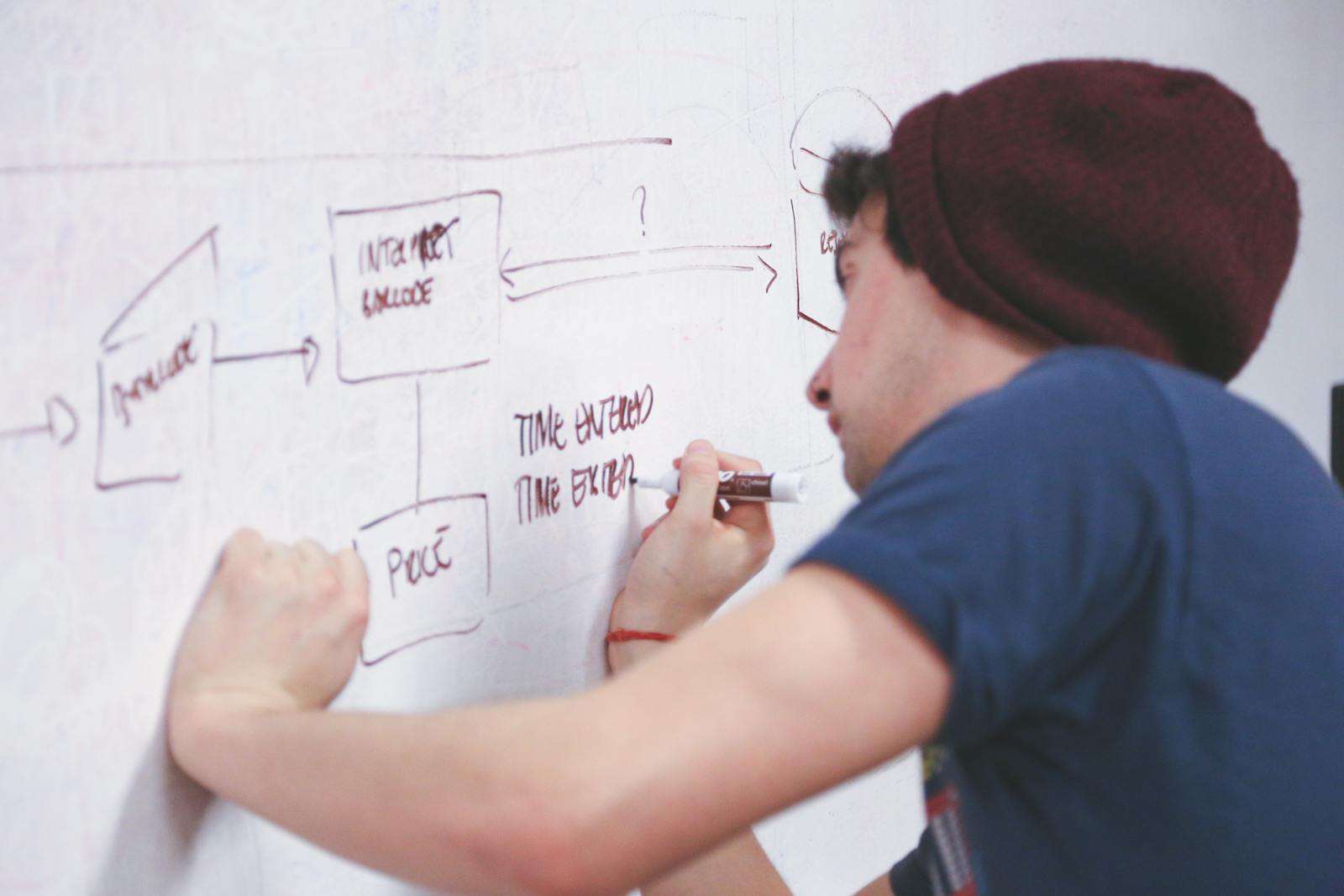
The shift towards modern software architecture in Dublin reflects the city’s ambition to remain at the forefront of technological innovation. As tech leaders grapple with the demands of a fast-paced digital environment, the need for agile and adaptable systems becomes increasingly clear. This evolution is not merely a trend; it represents a fundamental shift in how businesses operate and innovate.
Legacy systems continue to pose significant challenges for many organisations in Dublin, stifling growth and limiting the potential for cloud adoption and AI integration. Addressing these issues head-on is essential for businesses to thrive in a competitive landscape.
The Evolving Landscape Of Software Architecture In Dublin
Dublin has firmly established itself as a tech hub, attracting a diverse range of businesses and talent. The city’s vibrant ecosystem fosters innovation, yet it also demands that companies adapt to modern software architecture. By embracing contemporary practices, organisations can better position themselves to respond to changing market conditions.
Legacy systems, while once reliable, now hinder innovation and slow down development processes. As the tech landscape evolves, the importance of updating these systems cannot be overstated.
The Challenge Of Legacy Systems In Dublin’s Tech Ecosystem
Legacy systems remain a significant hurdle for many Irish companies, often leading to inefficiencies and missed opportunities. These outdated architectures can create bottlenecks that impede the adoption of new technologies, including cloud solutions and artificial intelligence.
Local businesses often find themselves struggling with these outdated systems, which can lead to increased operational costs and reduced competitiveness. The need for a strategic approach to modernisation is evident, as organisations seek to enhance their technological capabilities.
Monolithic Architectures And The Need For Agility
Monolithic architectures can limit an organisation’s ability to innovate and respond to market demands. In contrast, microservices architectures offer greater flexibility and agility, allowing teams to develop and deploy applications more efficiently.
As a case in point, a Dublin startup transitioning from a monolithic to a microservices architecture experienced significant improvements in their development processes. This shift enabled them to respond swiftly to user feedback and market changes.
The Benefits Of Microservices For Dublin’s Tech Landscape
- Faster deployment cycles enhance responsiveness to market needs.
- Enhanced team collaboration fosters innovation and creativity.
- Improved scalability allows local businesses to grow without the constraints of traditional systems.
Driving Innovation Through Scalability And Resilience
Scalability is crucial for Dublin’s growing tech sector, as it enables businesses to adapt to increasing demands and opportunities. Companies that have successfully modernised their architectures demonstrate the benefits of investing in scalable systems, which can lead to enhanced operational efficiency and improved customer experiences.
Strategies for building resilient systems are essential for sustained growth. By embracing cloud-native solutions and continuous integration practices, organisations can create a robust infrastructure that supports innovation.
Strategies For Building Resilient Systems
- Cloud-native solutions provide flexibility and scalability for future demands.
- Continuous integration and delivery practices streamline development processes.
- Leveraging local tech talent fosters innovative solutions tailored to specific challenges.
The Role Of Partnerships In Software Development Success
Choosing the right development partner is critical for success in Dublin’s competitive tech landscape. Factors such as expertise, local presence, and a proven track record in legacy modernisation can significantly influence the outcome of software projects.
Key attributes of a successful software development partner include:
- Proven track record in legacy modernisation.
- Expertise in cloud and AI technologies.
- Local presence and understanding of the Dublin market.
- Ability to offer full-cycle development services, like those provided by Dev Centre House.
Dev Centre House: Your Partner In Navigating Software Architecture Challenges
Dev Centre House offers a comprehensive range of services designed to help businesses navigate the complexities of modern software architecture. With a deep understanding of local challenges, Dev Centre House is well-equipped to assist organisations in Dublin with their software development needs.
Success stories from partnerships with Dublin companies highlight the effectiveness of tailored solutions that address specific architectural challenges. By collaborating with a partner like Dev Centre House, businesses can accelerate their journey towards modernisation.
Future Trends In Software Architecture For Dublin’s Tech Industry
Emerging trends, such as serverless computing and edge computing, are set to reshape Dublin’s tech landscape. As these technologies become more prevalent, businesses must remain vigilant and proactive in adapting their architectures to leverage these advancements.
Looking ahead, staying ahead of the curve with modern architectures will be essential for maintaining a competitive edge in the coming years. Tech leaders should continuously assess their strategies to ensure they are well-positioned for future success.
Conclusion: Embracing Change In Dublin’s Software Architecture
Rethinking software architecture is not merely an option for Dublin’s businesses; it is a necessity. Embracing innovative solutions and modern practices will be crucial for organisations looking to thrive in an ever-evolving landscape.
As the tech industry in Dublin continues to grow and change, businesses are encouraged to seek partnerships that facilitate this transformation. Dev Centre House stands ready to support local companies in navigating these challenges and achieving their goals.
FAQs
What Are The Main Challenges Dublin Tech Companies Face With Legacy Systems?
Dublin tech companies often struggle with legacy systems that hinder innovation and slow down growth. These outdated architectures can lead to inefficiencies, increased operational costs, and difficulties in adopting new technologies like cloud services and AI solutions. Addressing these challenges is crucial for maintaining competitiveness in the local market.
How Can Microservices Improve Software Development Processes In Dublin?
Microservices architectures enhance software development processes by promoting agility and flexibility. They allow teams in Dublin to deploy updates more rapidly, respond to user feedback efficiently, and facilitate better collaboration across departments. This adaptability is essential for maintaining a competitive edge in a fast-paced tech landscape.
What Role Does Scalability Play In Modern Software Architecture?
Scalability is vital for modern software architecture as it enables businesses to accommodate growth and changing demands. In Dublin’s dynamic tech environment, scalable systems allow organisations to expand their capabilities without compromising performance, ensuring they can meet customer needs effectively.
Why Is It Crucial To Choose A Local Software Development Partner In Dublin?
Selecting a local software development partner is essential for understanding the unique challenges and opportunities within Dublin’s tech ecosystem. A partner with local expertise can provide tailored solutions, foster collaboration, and navigate the specific market dynamics that impact software projects.
How Can Dev Centre House Assist In Modernising Legacy Systems For Dublin Businesses?
Dev Centre House offers a range of services aimed at helping Dublin businesses modernise their legacy systems. With a focus on local challenges, they provide tailored solutions that enhance operational efficiency and support the transition to modern architectures, ensuring organisations can thrive in a competitive landscape.